

Fuel and feed South-east Asia from within
The region must reduce fossil fuel dependence and build a more diversified energy mix
SINCE late February, the Strait of Hormuz that normally carries 25 per cent of the world’s seaborne oil and 20 per cent of its liquefied natural gas (LNG) has faced severe disruption.
For South-east Asia, which imports 60 per cent of its oil from the Middle East – a share projected to reach 70 to 80 per cent within two decades – the consequences are real and immediate.
Vietnam sources 80 per cent of its crude from Kuwait. Thailand imports 90 per cent of its crude oil.
But the deeper vulnerability is less visible. The region imports more than two-thirds of its fertiliser from extra-regional sources.
Millions of tonnes of soybean meal are shipped annually to sustain poultry and livestock sectors. Even domestically manufactured plastics and chemicals depend on imported crude oil and LNG feedstocks flowing through the blocked corridor.
In short, South-east Asia’s fossil fuel dependence doesn’t stop at the fuel pump; it runs through its farms and factories, too.
The good news is that the region has the tools to respond, and some countries are already taking action.
Reducing import dependence
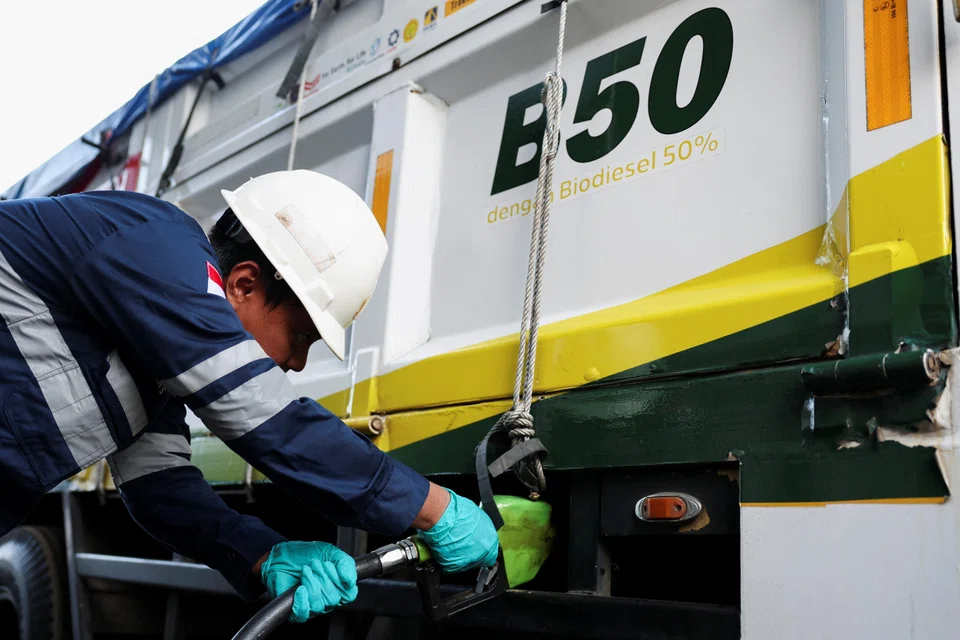
Indonesia produces 14.5 billion litres of biodiesel annually, directly benefiting three million smallholder farmers and reducing diesel import dependence.
Vietnam brought forward its E10 bioethanol mandate to April this year, citing Hormuz directly. Meanwhile, Thailand is redirecting surplus ethanol capacity towards sustainable aviation fuel.
The opportunity now is to go further.
South-east Asia generates more than 500 million tonnes of agricultural biomass such as sugarcane residues, palm waste, cassava stalks and rice straw every year.
These are largely stranded value that biosolutions can convert into fuels, feed and industrial inputs.
Thailand’s ethanol plants run at over 50 per cent surplus capacity. Indonesia’s palm kernel expeller can be converted into both bioethanol and high-protein poultry feed in a single process.
In agriculture, biosolutions can reduce the use of phosphorus by up to 25 per cent and the consumption of urea – the most widely used synthetic nitrogen fertiliser – by up to 30 per cent in rice cultivation. This directly cuts the fertiliser import dependence.
A thoughtfully designed bioeconomy can strengthen South-east Asia’s agricultural system and food security. Rather than competing with food production, biosolutions can help to create a more circular economy that supports the entire food value chain.
By improving fertiliser efficiency and upcycling abundant regional by-products – such as cassava and palm residues – into high-quality animal feed, we can drastically reduce the region’s heavy reliance on imported agricultural inputs.
Energy production and food security can advance together, reducing loss from farm to table while generating biofuel.
Biosolutions hold the key to unlocking scale. While biofuels currently meet roughly 4 per cent of global fuel demand, this figure is a foundation, not a ceiling.
Indonesia’s biodiesel programme already demonstrates what committed policy and domestic feedstocks can achieve at a national level.
But the opportunity is far bigger if we can make better use of the vast amount of by-products and waste already available.
Technology is enabling this vision now. The opportunity to scale lies in embracing the transition from first-generation to second-generation biofuels with the help of biosolutions and process optimisation.
Building resilience
Resilience will depend on a more diversified energy mix.
Electrification is evolving rapidly in passenger transport, but aviation, marine shipping and heavy freight will continue to rely on liquid fuels for the foreseeable future.
South-east Asia, home to some of the world’s busiest logistics hubs and shipping lanes, is well-positioned to capitalise on this demand by scaling sustainable aviation fuel and green marine biofuels.
In these sectors, bioenergy can become one of the most practical decarbonisation tools available.
The goal is to build a complementary system: electricity where it works best, hydrogen where it fits, and bioenergy where liquid energy density is essential.
Every dollar, rupiah, baht, ringgit or dong invested in domestic biosolutions stays in the region, multiplying farmer incomes, creating rural jobs, and cutting the fossil fuel import dependence that the current crisis has exposed.
The technology is proven. The feedstocks exist. The policy momentum is there.
What the current crisis demands is faster regulatory approvals for bio-based alternatives, incentives that treat them on equal footing with fossil inputs, and investment frameworks that match the urgency of the moment.
The strait may reopen, but the underlying vulnerability will not disappear with it.
The writer is regional president, Asia-Pacific, at Novonesis
TRENDING NOW

LTA proposes combining car COE categories, adding rebate-surcharge system

StarHub to acquire MyRepublic’s mobile business amid ongoing telco consolidation

DBS, OCBC, UOB rout lops billions off STI as inflation, rate concerns spook investors

Grab CEO’s wife Chloe Tong on life with Anthony Tan and finding her purpose

