



Higher for longer no more? Fed looks poised to keep interest rates steady
 Add BT as a preferred source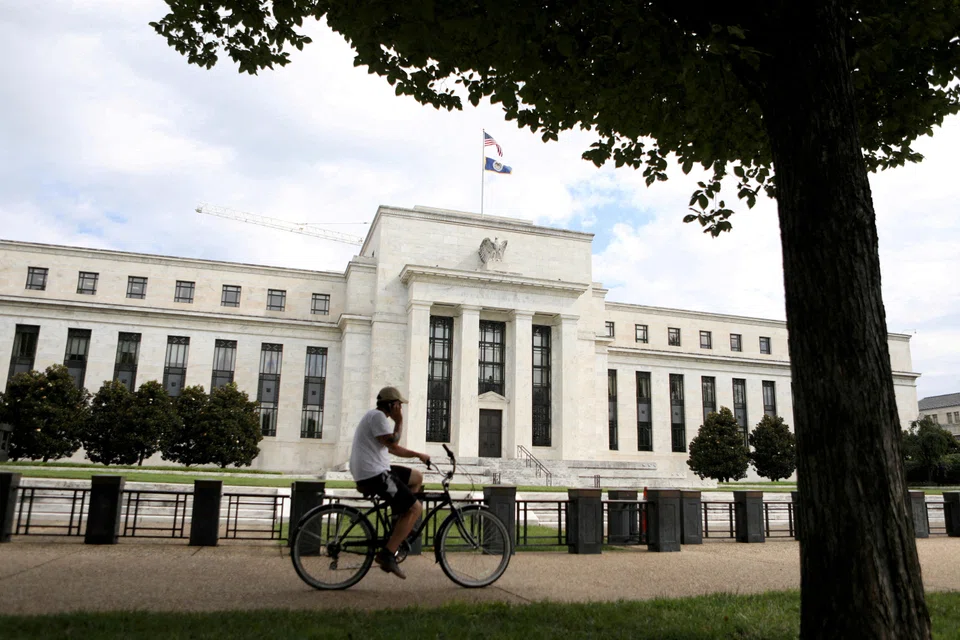
THE sell-off in global markets since their July peaks was predicated on a simple adage: “higher for longer”.
This week, two senior US Federal Reserve officials – vice-chairman Philip Jefferson and Dallas Fed president Lorie Logan – hinted that this interpretation of the US central bank’s intentions when it comes to interest rates may well be erroneous.
Earlier this year, investors had hoped for a pivot from the Fed in either late-2023 or early-2024.
“The message sunk in over the last few weeks that it’s just not going to happen,’ said JJ Kinahan, chief executive of IG North America and president of its brokerage tastytrade.
And so, on business TV channels and in financial newspapers, the catchphrase “higher for longer” was born, as economists and US home buyers resigned themselves to having mortgage rates of well above 7 per cent for the foreseeable future.
The Fed, according to the “higher for longer” theory, would be forced to battle a second round of inflation, which was starting to develop in energy markets and wage disputes.
On Wednesday, minutes of the Fed’s last meeting on Sep 19 to 20 revealed that the central bank’s officials agreed to hold interest rates steady, even as a 12-7 majority indicated in new projections that one more hike could be required by end-2023 to ensure inflation returns to the Fed’s target of 2 per cent.
“The complacency which helped investment markets to do well in the first half of this year has given way to the realisation that US inflation remains sticky despite significant Fed rate hikes, the US jobs market is very resilient, the Fed funds rate will stay high for longer, and a US recession has been delayed but not averted,” said Vasu Menon, the managing director of investment strategy at OCBC Securities, in a note to clients.
As so often in global markets, however, when all the forecasters agree that it’s time to hunker down for a storm, the skies suddenly clear and the sun emerges. In the contrarian logic of the financial markets, wisdom loses its value once it becomes conventional.



This week, top Fed officials noted that the recent rise in US Treasury yields could well take the place of further increases in the policy rate. Such a move would go some way towards slowing the economy and inflation beyond any other action by the central bank.
While it’s certainly possible that inflation turns out to be “sticky”, the recent economic data from the US could see the Fed choose to hang up its inflation-fighting tools sooner rather than later.
The latest US consumer price inflation index shows a steady decline since last June. The average home price in the US is more or less flat compared a year earlier, and in some of the hottest markets, prices have fallen.
Yet, even after the commencement of the bloodiest Israeli war in a generation, oil prices appear to have run out of steam at around US$80 to US$85 a barrel.
The seemingly unstoppable march of higher Treasury yields now appears stoppable. In the wake of the two Fed officials’ comments, the two-year Treasury yield experienced a two-day retreat to its lowest level in more than a month.
Earlier this week, high-risk indexes such as the Russell 2000 and the Nasdaq 100 have recouped about one-third of their September losses, inching out of correction territory.
If Iran gets drawn into the Israeli conflict with Hamas, there’s a chance that the inflation picture will change radically.
“Initial reports suggested Iran supported and helped with logistics of the attack on Israel, but Iran denies having any role,” said George Smith, a portfolio strategist with brokerage LPL Financial.
“The US is involved in a broad-reaching diplomatic effort to keep the conflict contained. Oil prices, however, may move dramatically higher if it appears the diplomatic effort is failing, and Iran is brought into the conflict.”
Indeed, investors will watch the oil market for indications of escalation as new phase in the war will register there first, said Smith.
Wage inflation also remains a big risk. The most widespread strike in decades among US auto workers could foreshadow a bout of wage inflation. The likes of Stellantis, Ford Motor and General Motors are almost certain to increase wages substantially, and employers across the board could be forced to follow suit.
The September sell-off was prompted by a sense of paradise lost, as the devil of inflation seemed to damn the global economy. The hints from central bankers that their work may be done could result in paradise regained for stock traders.
Decoding Asia newsletter: your guide to navigating Asia in a new global order. Sign up here to get Decoding Asia newsletter. Delivered to your inbox. Free.
Share with us your feedback on BT's products and services
TRENDING NOW

Hell hath no fury like a man scorned: CEO’s S$468,000 suit against ex fails after relationship sours

How Asia’s next generation is rewriting legacy through entrepreneurship

Singapore’s new data centres must use renewables. Can they overcome the hurdles?
Canada’s fight with the US has far bigger stakes than trade

