


Hopes for deal to end Iran war grow, but nuclear issues unresolved
A ceasefire in Lebanon would be an essential component of any peace talks, Pakistan says
[JERUSALEM/ISLAMABAD] Optimism grew on Thursday (Apr 16) that the Iran war may be near an end, with a key Pakistani mediator having made a breakthrough on “sticky issues”, a source said, although Iran warned the fate of its nuclear programme had not been resolved.
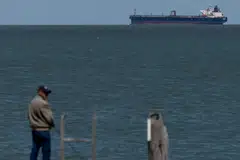
The US and Pakistan have been talking up the prospects for a deal in the more than six-week war, with US President Donald Trump saying the accord would open the crucial Strait of Hormuz, through which a fifth of the world’s oil and gas supply flows.
Closure of the strait has triggered the worst oil price shock in history and forced the International Monetary Fund to downgrade its outlook for the global economy, warning that prolonged conflict could push the world to the brink of recession.
Pakistan’s army chief and a key figure in the mediation, Field Marshal Asim Munir, arrived in Teheran on Wednesday to try to prevent a renewal of the conflict after marathon talks held in Islamabad last weekend ended without a deal.
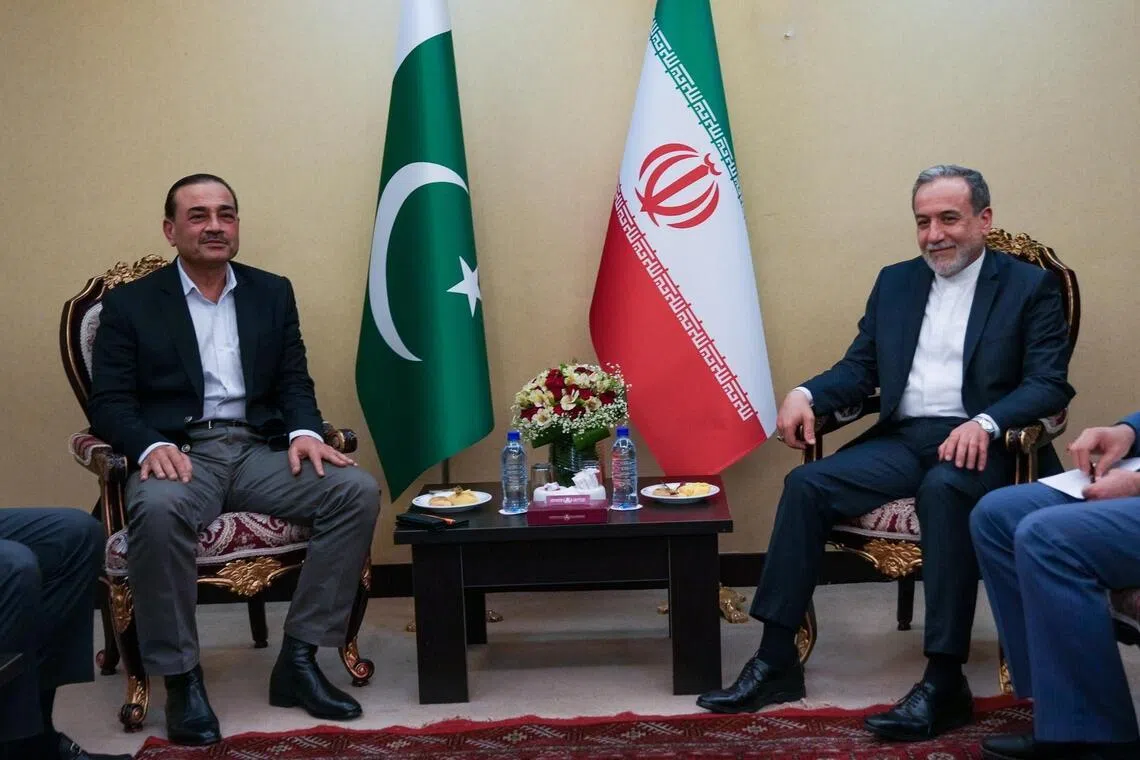
A senior Iranian official told Reuters on Thursday that the trip had led to greater hopes for a second round of talks and an extension of the two-week ceasefire, but said that fundamental differences remain over its nuclear programme.
Pakistan’s foreign ministry said on Thursday that both sides are willing to resume talks, though no date had yet been set.
Fighting in Lebanon
The issue of a ceasefire in Lebanon, where Israel has been waging a parallel campaign against Iran-backed militant group Hizbollah, would also be an essential component of any peace talks, Pakistan said.
Israel’s Cabinet met on Wednesday to discuss a possible ceasefire in Lebanon, a senior Israeli official said, while Trump announced the leaders of the two countries would speak for the first time in decades.
Two senior Lebanese officials said that they had been briefed that efforts were under way for a ceasefire but had no further details on how long it would last or when it would be announced.
SEE ALSO
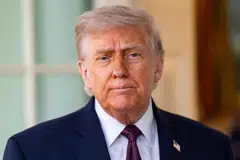

“It has been a long time since the two leaders have spoken, like 34 years. It will happen tomorrow. Nice!” Trump wrote in a social media post published before midnight on Wednesday, Washington time.
Israeli Prime Minister Benjamin Netanyahu will speak with Lebanese President Joseph Aoun, Gila Gamliel, a member of Israel’s security Cabinet, told Israel’s Army Radio on Thursday.
A Lebanese official told Reuters that the Lebanese government had “no information” about any upcoming contact with Israel’s leadership.
In southern Lebanon, fighting continued to rage on Thursday.
A senior Lebanese security official said an Israeli strike had severed the last bridge linking southern Lebanon to the rest of the country. One person was killed in an Israeli strike targeting a car on the road that links to Syria, the country’s state news agency said.
There was no immediate comment from the Israeli military on either strike.
Stock markets have rallied strongly in recent days on expectations of a swift resolution to the fighting, with global equities vaulting past their previous all-time highs in Asian trading on Thursday. Indices on Wall Street hit record highs on Wednesday as crude oil prices steadied.
Optimism for a potential deal
“We feel good about the prospects of a deal,” White House press secretary Karoline Leavitt said at a news conference on Wednesday, calling conversations mediated by Pakistan “productive and ongoing”.
She denied reports that the US had formally requested an extension of a two-week ceasefire agreed by the two sides on Apr 8.
Mohammad Eslami, head of the Atomic Energy Organization of Iran, said talks needed to recognise Iran’s rights, interests and dignity to be fruitful.
“But if it continues, as it usually does, relying on deception and, in fact, on a lack of commitment and failure to adhere to agreements and set terms, then it naturally cannot succeed,” he said during a pro-government rally in Teheran.
The war broke out with US-Israeli attacks on Iran on Feb 28, triggering Iranian attacks on Iran’s Gulf neighbours as well as reigniting the Israel-Hizbollah conflict.
Iran’s nuclear ambitions were a key sticking point at last weekend’s talks. The US proposed a 20-year suspension of all nuclear activity by Iran – an apparent concession from longstanding demands for a permanent ban – while Teheran suggested a halt of three to five years, according to sources.
Washington has also pressed for any highly enriched uranium to be removed from Iran, while Teheran has demanded that international sanctions against it be lifted.
A separate source told Reuters that Iran had agreed to dilute its highly enriched uranium under the supervision of the International Atomic Energy Agency and the US. REUTERS
Decoding Asia newsletter: your guide to navigating Asia in a new global order. Sign up here to get Decoding Asia newsletter. Delivered to your inbox. Free.
Share with us your feedback on BT's products and services
TRENDING NOW

DBS, OCBC, UOB rout lops billions off STI as inflation, rate concerns spook investors

Grab CEO’s wife Chloe Tong on life with Anthony Tan and finding her purpose

OCBC sheds S$8 billion in value as shares close nearly 6% down; analysts cautious on banks

Deal between tycoon friends sparks scrutiny of Philippine power sector

