



India’s exports defy tariffs, strengthen hand in US trade talks
Economists point to diversification and strong domestic demand as key drivers supporting economic resilience

[NEW DELHI] India’s exports leapt in November in defiance of US President Donald Trump’s steep tariffs, providing fresh leverage in ongoing trade talks with Washington and easing pressure on New Delhi to strike a quick deal.
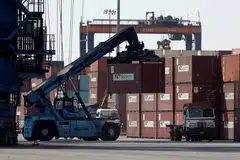
Shipments to the US rose more than 22 per cent in November from a year earlier, outpacing India’s overall export growth of more than 19 per cent, which lifted total goods exports to US$38.13 billion, government trade data released on Monday (Dec 15) showed.
Goods exports were the highest for any November in a decade.
Robust shipments have tempered fears of a prolonged tariff-led slump after trade talks between the two nations fell apart and Trump doubled duties on Indian goods to 50 per cent in late August, the highest in the world. The hike included a 25 per cent levy that was in retaliation for India’s purchases of Russian oil.
The move had initially hit exports and pushed the rupee to a record low as investors awaited progress in trade negotiations. Exports to the US had fallen nearly 9 per cent year on year in October after touching a record low in September.
Analysts said November’s export recovery, coupled with India’s strong domestic economy, reduces the urgency for New Delhi to make concessions in talks with Washington.
“After the recovery in US exports despite no tariff relief, India now has the leverage to press for a tariff cut to 25 per cent from 50 per cent, especially after sharply reducing Russian crude imports,” said Ajay Srivastava, founder of the Global Trade Research Initiative.
Economists cited diversification and strong domestic demand as key drivers of resilience, which helped India’s economy beat forecasts to grow 8.2 per cent in the July-to-September fiscal second quarter. GDP is forecast to accelerate to at least 7 per cent in the 2025/26 year.
“Improvement in exports signals resilience and diversification,” said economist Madhavi Arora from Emkay Global.
SEE ALSO

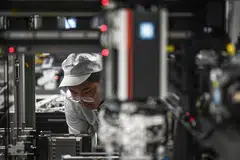

The US-bound exports have been led by tariff-free sectors such as electronics while tariff-hit sectors have performed better than expected, likely due to exporters tapping new markets, Arora said.
India’s exports of electronic goods during April to November jumped 38 per cent from a year earlier, data showed.
Over the years, rising domestic production of smartphones by global giants such as Apple has been central to India’s manufacturing push. Between March and May, for instance, nearly all the iPhones exported by Foxconn from India went to the US, reflecting a realigning of its India exports to almost exclusively serve the US market this year.
Services exports also provided an additional buffer, totalling around US$35.86 billion in November and contributing to a nearly US$18 billion services trade surplus, according to government estimates.
A weaker currency has also softened the tariff blow. The rupee has slid about 6 per cent against the US dollar this year, making it among the worst-performing major currencies globally.
India holds its ground
Encouraged by the improved data, Indian officials have maintained a firm stance against US trade demand, signalling limited flexibility in areas such as agricultural imports.
India has no plans to increase imports of products such as corn or to allow genetically modified crops, which remain key US demands, a senior government official, involved in trade talks, said.
The Indian trade ministry did not immediately respond to an e-mailed request for comment.
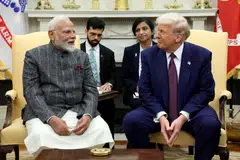
Indian Prime Minister Narendra Modi said he spoke to Trump by phone last week, their third call since Washington doubled tariffs on India, but the discussions remain inconclusive.
The call followed US Deputy Trade Representative Rick Switzer’s two-day visit to New Delhi that did not lead to agreement over a deal.
India’s trade secretary said on Monday “there’s a fair expectation” that both sides could agree on a deal to lower reciprocal tariffs and they were close to a framework deal.
Exporters, however, remain cautious.
While overall marine exports rose about 20 per cent during April-to-November period to US$5.7 billion, driven by higher shipments to China, Vietnam, Russia, the European Union and the Middle East, shipments to the US have plummeted. Exporters are concerned as US exports command higher profit margins.
Pawan Kumar, managing director of Sprint Exports and president of the Seafood Exporters Association of India, said his company’s exports to the US had dropped to near zero after tariffs of around 50 per cent made shipments unviable.
“We are keenly watching the talks,” he said. “Regaining the US market is the only permanent solution.” REUTERS
Decoding Asia newsletter: your guide to navigating Asia in a new global order. Sign up here to get Decoding Asia newsletter. Delivered to your inbox. Free.
Share with us your feedback on BT's products and services
TRENDING NOW

Philippine power giant First Gen rebuffs foreign offers, plans up to US$2.6 billion in expansion

Vietnam’s data-centre investment rush faces reality check on power and site constraints

Singapore should prepare for prolonged haze until November, says Grace Fu

Is stagflation returning? That mostly depends on the Iran war

