Iran reviewing Trump’s latest proposal on ending war, as clock ticks on ceasefire with US
Trump also reiterated his determination not to allow Iran to acquire a nuclear weapon
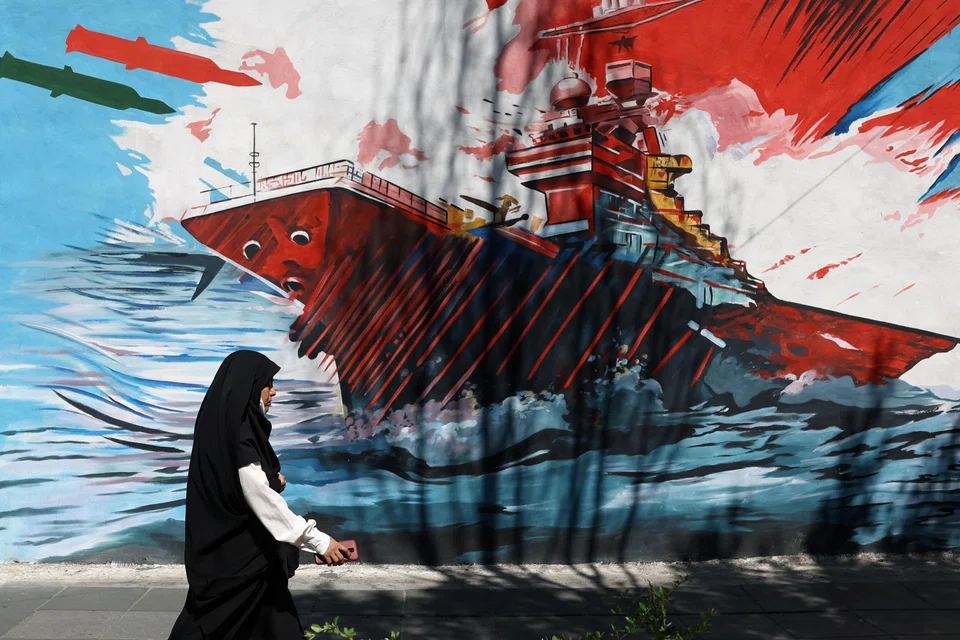
IRAN is assessing the latest peace proposal from the US, as the countries seek to avoid a resumption of hostilities. “We have received the American side’s points of view and are reviewing them,” Foreign Ministry Spokesman Esmail Baghaei said late on Wednesday (May 20), according to the semi-official Iranian Students’ News Agency. The exchange of messages is based on Iran’s 14-point text from several weeks ago, Baghaei said. That plan essentially suggests a short-term deal that would see Iran reopen the Strait of Hormuz and the US lift a blockade of Iranian ports, with the warring sides then going into deeper negotiations over Teheran’s nuclear programme. Iran gave no indication of when it would respond to the US and reiterated it wants a commitment that fighting will end “on all fronts, including Lebanon.” Baghaei also called for the unfreezing of sanctioned assets. Field Marshal Asim Munir, who has positioned himself as the most powerful person in Pakistan, is visiting Teheran on Thursday, ISNA reported. Islamabad is the main mediator between the sides.
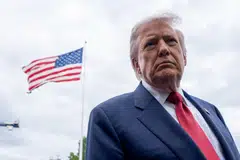
The developments follow renewed threats of escalation between the US and Iran as their stand-off drags on. US President Donald Trump told reporters on Wednesday that the US was in the “final stages” with Iranian diplomacy, sparking investor hopes a deal was close. US Treasury prices initially jumped and oil dropped. But the president then warned he may resume attacks in the coming days if Iran did not agree to his terms, a threat he has made multiple times since a ceasefire took effect on Apr 8. “We’ll either have a deal or we’re going to do some things that are a little bit nasty,” he said. “But hopefully that won’t happen.” Oil pared some of its losses on Thursday, with Brent trading 1 per cent higher at US$106 a barrel. The benchmark is up almost 50 per cent since the conflict began.
Points of contention
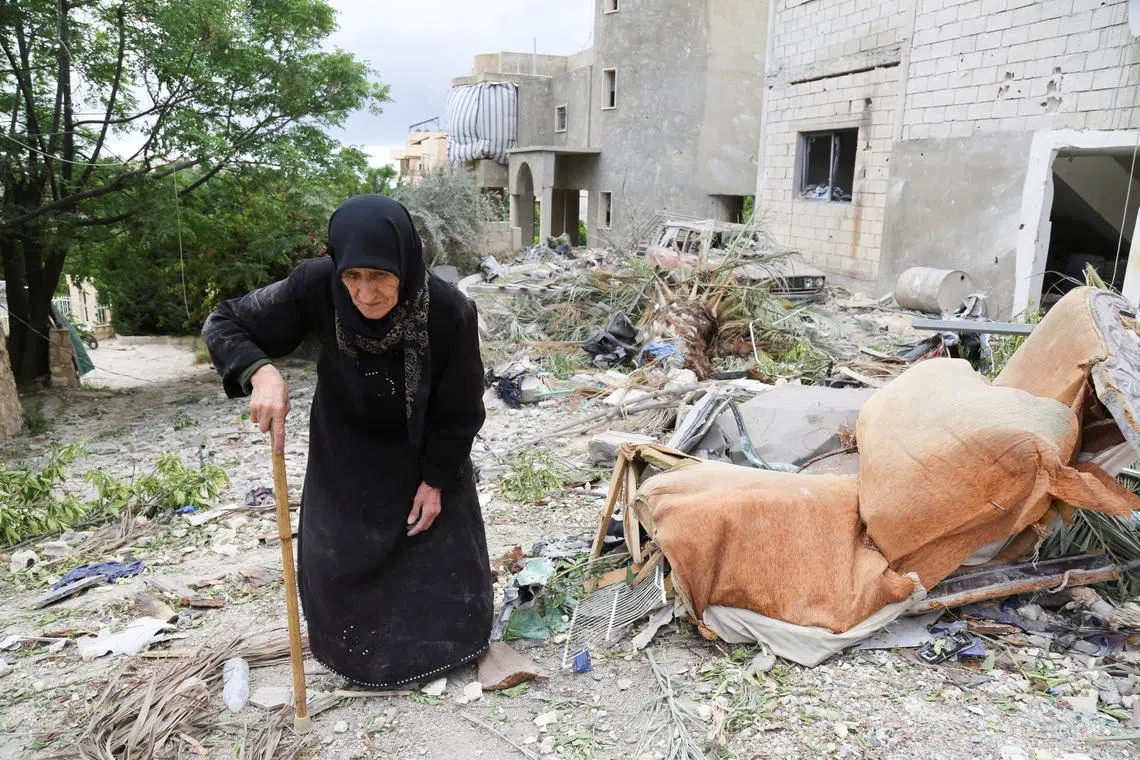
Key sticking points between the sides include Iran’s nuclear enrichment and its stocks of highly-processed uranium. The US is demanding Teheran hands over the latter, due to fears Teheran may use it to build an atomic bomb, and commits to ending enrichment for at least a decade. Iranian leaders have baulked at those in public. Iranian President Masoud Pezeshkian insisted the country was not on the brink of giving in. “Forcing Iran to surrender through coercion is nothing but an illusion,” he posted on X on Wednesday. Another point of contention is Lebanon, where Israel – whose attacks on Iran alongside the US started the war in late February – is fighting Teheran-backed Hizbollah militants. Israel has resisted the idea of pulling its troops out the Arab country. A ceasefire on that front is fragile, with Israel and Hizbollah continuing attacks daily.
US media outlet Axios, citing unnamed sources, reported that Trump and Israeli Prime Minister Benjamin Netanyahu had a tense call on Tuesday. It did not give details on what the US leader told Netanyahu, who has said he does not trust Iran to abide by any peace deal and has signalled that strikes on the Islamic Republic must resume at some point.
The report came shortly after Trump told reporters that Netanyahu would “do whatever I want him to do.”
Earlier, Iran warned it would retaliate beyond the Middle East if the US or Israel renewed hostilities.
SEE ALSO
“If aggression against Iran is repeated, the regional war that had been promised will this time extend beyond the region,” the Islamic Revolutionary Guard Corps said, according to the semi-official Tasnim news agency.
The IRGC, which has gained even more influence over Iranian decision-making since the war erupted, vowed “crushing blows in places you do not expect.” BLOOMBERG
Decoding Asia newsletter: your guide to navigating Asia in a new global order. Sign up here to get Decoding Asia newsletter. Delivered to your inbox. Free.
Share with us your feedback on BT's products and services