



Japan and US confirm joint yen-buying intervention, signal more action
Trump says American action to prop up the Japanese currency is a sign of friendship
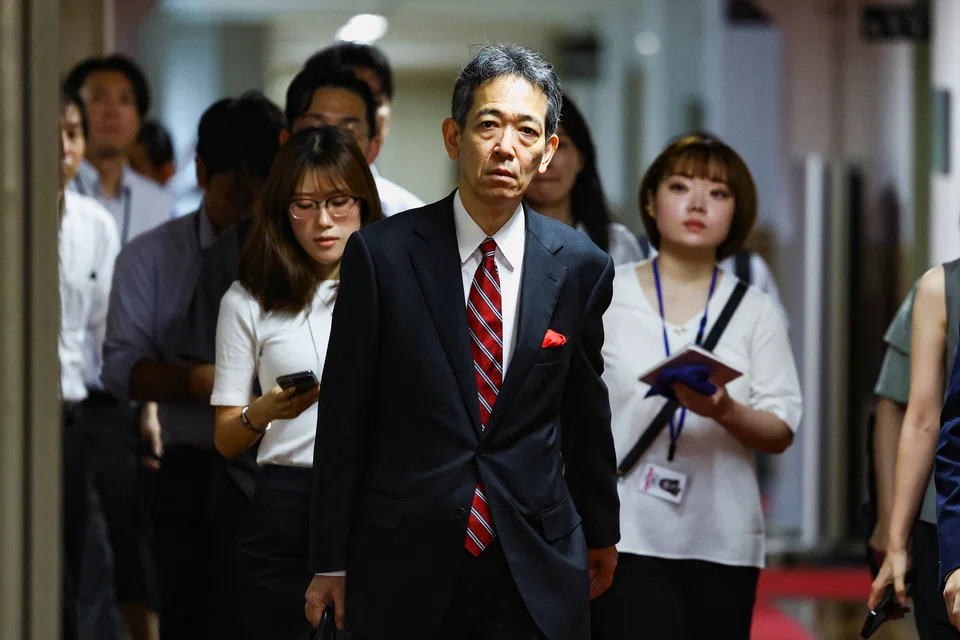
[TOKYO] Japan and the US conducted coordinated yen-buying intervention and will not hesitate to take further action, Japan’s finance ministry said on Monday (Aug 3), confirming a rare bilateral action to halt the yen’s slide to fresh 40-year lows.
The intervention on Friday underscored both countries’ resolve to prevent a sell-off in the yen and Japanese government bonds (JGBs) from causing global spillovers, such as adding upward pressure on already rising US Treasury yields, analysts said.
The joint intervention was the first since 2011’s coordinated action to weaken the yen following the devastating earthquake in eastern Japan.
Central bank data indicated on Monday that Japan may have spent as much as US$36.58 billion buying yen during the intervention.
The US Treasury sold euros to buy yen, three sources familiar with the matter said, though the amount spent was not known.
US President Donald Trump said on Sunday that his country was helping Japan prop up the yen as a sign of friendship and to help the world economy.
Aside from helping Japan as a strategic ally in Asia, analysts believe that the intervention would help the US address concerns over extraordinary weakness in the yen that offsets the boost from Trump’s tariffs.
In a statement, Japan’s finance ministry said that the intervention with the US Treasury Department “countered excessive volatility and disorderly movements in the Japanese yen in recent months”.
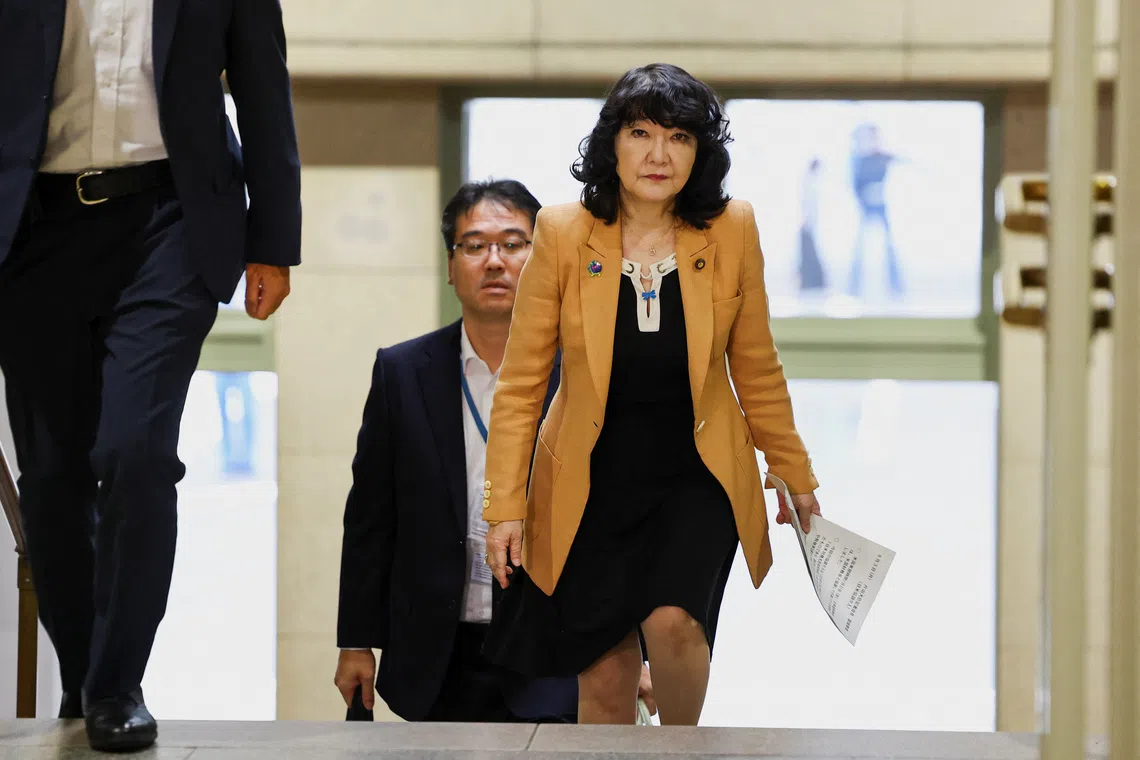
“We will not hesitate conducting further coordinated intervention,” Finance Minister Satsuki Katayama told reporters on Monday.
SEE ALSO
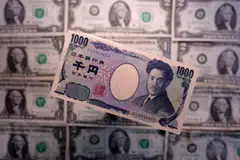


The yen surged more than 1 per cent to 155.20 against the greenback after the announcement, its strongest since early May and well off the 40-year low near 164 hit last month, as traders remained on alert for more intervention.
It was trading around 157 per dollar late on Monday.
Katayama declined to comment when reporters asked whether the authorities stepped in on Monday.
BOJ in spotlight
“The joint intervention is the culmination of Japan’s alliance with the United States,” Japan’s top currency diplomat Atsushi Mimura told reporters on Monday.
“We will continue to align (currency policy) with the Bank of Japan’s monetary policy,” he said, suggesting the government will work hand in hand with the central bank in arresting yen falls.
US Treasury Secretary Scott Bessent also confirmed Friday’s effort, adding that Washington “will not hesitate to participate in further joint intervention”.
“We strongly support Japan’s decisive market and monetary steps to correct the substantial undervaluation of the yen,” Bessent said in a separate statement on X, repeating his calls for further interest rate hikes by the Bank of Japan.
The remarks put the spotlight on the BOJ, which on Jul 31 kept rates on hold but signalled scope for a rate hike as soon as its next policy meeting in September.
“The comments by Mimura and Bessent must be music to the ears of hawks within the BOJ,” said Naomi Muguruma, chief bond strategist at Mitsubishi UFJ Morgan Stanley Securities.
“I feel like a September rate hike is a done deal. It won’t make sense for the BOJ to wait until October and cause another bout of yen declines.”
The two-year JGB yield, which is most sensitive to near-term monetary policy moves, briefly hit 1.545 per cent on Monday, the highest since 1995, as markets priced in the chance of an early rate hike.
Fed facility available
Japan has been struggling to curb a relentless drop in the yen that pushes up import prices and stokes broader inflation, hitting households’ wallets and Prime Minister Sanae Takaichi’s public approval ratings.
Tokyo’s solo intervention conducted between late April and early May caused only a brief yen rebound. The BOJ’s June rate hike to a 31-year high of 1 per cent also gave the struggling currency little lasting boost.
Before Friday’s confirmed joint intervention with the US, Japan may have sold as much as US$58.97 billion to buy yen when it intervened in New York markets on Thursday, BOJ data suggested.
In a sign of further Japan-US coordination, Bessent said the US would consider increasing in coming months the size of the US Federal Reserve’s repurchase facility providing temporary US dollar liquidity, calling the tool an “important backstop”.
The comment came after the the Japanese ministry’s rare X post on Saturday that it had “a broad range of tools to address market liquidity needs”, including access to the US Fed’s repurchase facility providing temporary US dollar liquidity.
The US Fed facility, introduced in 2020 to steady markets during the Covid-19 pandemic, allows Japan to raise US dollar liquidity without outright sales of US Treasuries, potentially easing funding pressures on Tokyo for intervention.
Some analysts doubt whether the latest round of action could counter structural factors driving down the yen, such as the rising cost of fuel from the Middle East conflict and the still wide Japan-US interest rate differentials.
“The announcement effect of joint intervention is much bigger than solo action by Japan,” though the yen fell after the announcement as it was largely within expectations, said Tsuyoshi Ueno, a senior economist at NLI Research Institute.
“The fundamentals driving yen weakness haven’t changed, so we likely won’t see one-sided yen rises from this intervention.” REUTERS
Decoding Asia newsletter: your guide to navigating Asia in a new global order. Sign up here to get Decoding Asia newsletter. Delivered to your inbox. Free.
Share with us your feedback on BT's products and services






