



Markets bet Trump will end Iran war soon despite both sides’ threats
Teheran residents describe intense US-Israeli bombardment of the capital overnight as the fiercest of the war
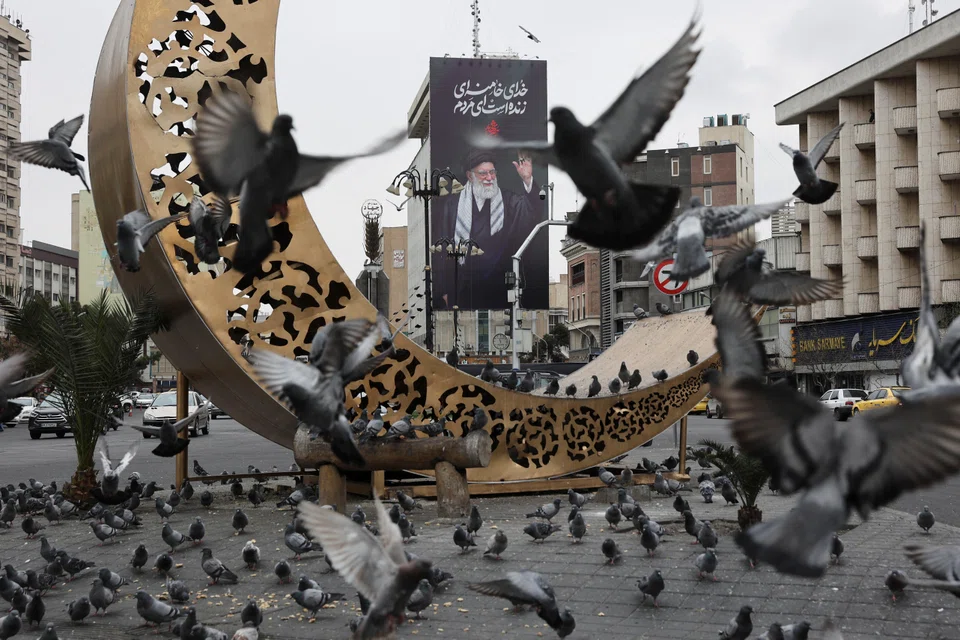
[DUBAI/TEL AVIV] Iran’s Revolutionary Guards said on Tuesday (Mar 10) they would not let any oil out of the Middle East until US and Israeli attacks cease, prompting US President Donald Trump to threaten to hit Iran “20 times harder” if it blocked exports.
Despite the defiant rhetoric from both sides, investors placed strong bets on Tuesday that Trump would call off his war soon, before the unprecedented disruption it has caused to energy supplies causes a global economic meltdown.
After he described the war as “very complete, pretty much”, the bulk of Monday’s historic surge in crude oil prices was reversed. Asian and European share prices staged a recovery on Tuesday from earlier precipitous falls.
But on the ground, there was no sign of any letup. Teheran residents reached by Reuters described intense US-Israeli bombardment of the capital overnight as the fiercest of the war.
“It was like hell. They were bombing everywhere, every part of Teheran,” a resident said by phone, speaking on condition of anonymity for security reasons. “My children are afraid to sleep now. We have nowhere to go.”
Israel’s military said it had hit a weapons research-and-development target in Teheran, among a wave of overnight strikes on the capital, and launched more strikes on Tuesday.
A source familiar with Israel’s war plans told Reuters the Israeli military was trying to inflict as much damage as possible before the window for further strikes closes, under the assumption Trump could end the war at any time.
US president’s prediction
Iran has refused to bow to Trump’s demand that it let the US choose its new leadership, naming hardliner Mojtaba Khamenei as supreme leader to replace his father, who was killed on the war’s first day.
But Trump held a press conference on Monday that appeared to reassure markets he would stop his war before provoking an economic crisis like those that followed the Middle East oil shocks of the 1970s.
SEE ALSO





He said the US had already inflicted serious damage and predicted the conflict would end before the four weeks he initially set out.
Trump has not defined what victory would look like, but on Monday stopped short of repeating declarations that Iran must accept an “unconditional surrender” and let him choose its leader.
Unprecedented disruption
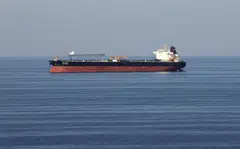
The war has effectively halted shipments through the Strait of Hormuz, where a fifth of global oil and liquefied natural gas normally passes along Iran’s coast, and producers have run out of storage and stopped pumping.
In the latest of near-daily reported attacks on shipping that have stopped tankers braving the strait, the UK Maritime Trade Operations Centre reported that crew aboard a bulk carrier in the Gulf had witnessed a splash and a loud bang.
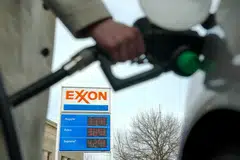
After Iran chose its hardline new leader, oil prices briefly surged to nearly US$120 a barrel on Monday. But by 1100 GMT on Tuesday, Brent crude had settled back down to around US$92, suggesting traders now expected the disruption to end soon.
Trump said on Monday that US military might was sufficient to keep oil flowing.
If Iran blocks oil through the strait, “We will hit them so hard that it will not be possible for them or anybody else helping them to ever recover that section of the world,” he said.
A spokesperson for Iran’s Islamic Revolutionary Guard Corps dismissed Trump’s remarks, saying Teheran would not allow “one litre” of Middle Eastern oil to reach the US or its allies while US and Israeli attacks continue.
“We are the ones who will determine the end of the war,” the spokesperson said.
In a later Truth Social post, Trump said: “If Iran does anything that stops the flow of Oil within the Strait of Hormuz, they will be hit by the US of America twenty times harder than they have been hit thus far.”
Quick end to war could leave Iran’s leaders in place
Ending the war quickly to let oil flows resume would appear to preclude toppling Iran’s leadership, which held large-scale rallies on Monday in support of the new supreme leader.
Some Iranians openly celebrated the death of the elder Khamenei, weeks after his security forces killed thousands of people to put down anti-government protests in Iran’s worst domestic unrest since the era of its 1979 revolution.
There has been little sign of anti-government activity since then amid concerns that it would be unsafe to protest while Iran is under attack.
Despite Trump demanding a say in who runs Iran, US administration officials have mostly said the war’s aim is to destroy Iran’s missile capabilities and nuclear programme. Israel has openly said it wants Iran’s clerical rulers toppled.
“Our aspiration is to bring the Iranian people to cast off the yoke of tyranny,” Israeli Prime Minister Benjamin Netanyahu said on Tuesday.
At least 1,332 Iranian civilians have been killed and thousands wounded, according to Iran’s UN ambassador, since the US and Israeli airstrikes began on Feb 28.
Scores have also been killed in Israeli attacks on Lebanon to root out the Iran-backed group Hizbollah, which has fired into Israel in solidarity with Iran.
Iranian strikes on Israel have killed 11 people. Iran has struck US military bases and diplomatic missions in Arab Gulf states but also hit hotels, closed airports and damaged oil infrastructure.
Iranian Foreign Minister Abbas Araqchi told PBS that Teheran was unlikely to resume negotiations with the US “because we have very bitter experience of talking with Americans” after Washington twice broke off talks to launch attacks. REUTERS
Decoding Asia newsletter: your guide to navigating Asia in a new global order. Sign up here to get Decoding Asia newsletter. Delivered to your inbox. Free.
Share with us your feedback on BT's products and services
TRENDING NOW

Once staunchly pro-China, Malaysian Chinese businesses are now distancing themselves from Beijing

Looking beyond looming CEO succession, should UOB potentially pursue a transformative merger?

Could stablecoins be the future of money?

Grab CEO’s wife Chloe Tong on life with Anthony Tan and finding her purpose

