



Markets brace for hawkish message as US Fed meets; some analysts see Dec hike
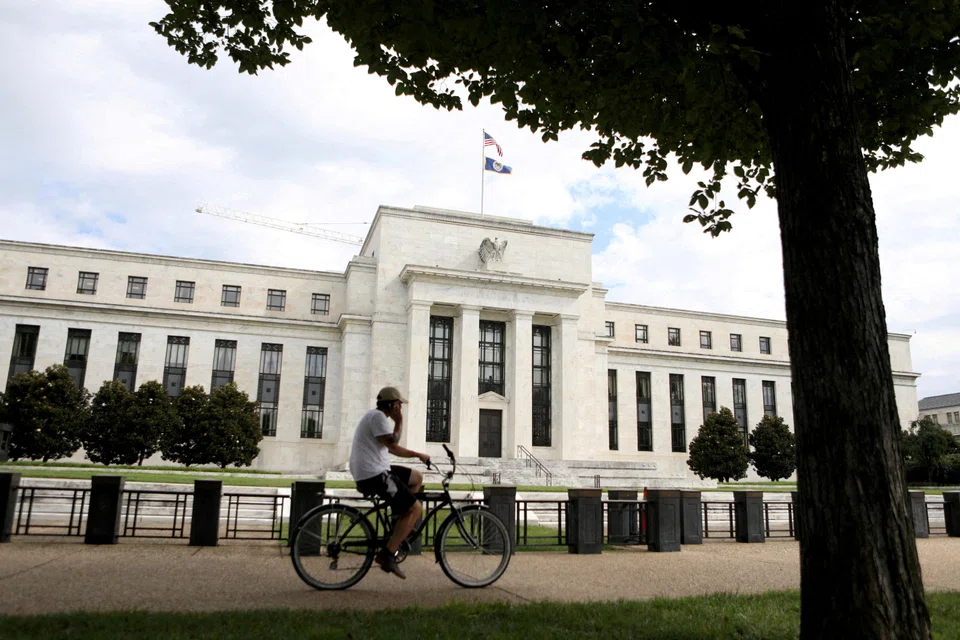
HOPES that the US Federal Reserve would shift to a more dovish stance this week are fading, and strategists said chairman Jerome Powell is likely to stick to his hawkish tones in Wednesday’s (Nov 1) policy statement.
The central bank is almost certain to continue a hiatus in rate hikes, and leave rates unchanged at current levels of between 5.25 per cent and 5.5 per cent.
Several Fed officials noted that the sharp increase in Treasury yields is discouraging borrowing, and thus performing the job of fighting inflation.
At least one Fed official, San Francisco Fed president Mary Daly, suggested the central bank will not need to take any further action because of the moves in the bond market.
Yet, nobody on Powell’s committee – not even Daly – dares speak of rate cuts. Strategists said that Powell is comfortable with the impression that policy changes are on an extended hiatus, but he wants to make clear that the next move is more likely to be a hike than a cut.
Saira Malik, chief equity strategist at money manager Nuveen Investments, said the Fed’s message to those hoping for a softening of rate policy is crystal clear: “Not so fast.”
This was the message the Fed gave in its September meeting, kicking off bond-market volatility and what recently became an official 10 per cent correction from the S&P 500’s summer highs.
To Malik, the spike in Treasury yields was the global markets’ way of absorbing the Fed’s harsh rejection of the conventional, dovish market wisdom in the first half of 2023 – the belief that the central bank’s war on inflation was won, and it was preparing the way for rate cuts.
“Nearly 40 years after Prince gifted music fans with an idea of what it sounds like when doves cry, financial markets are echoing that refrain,” said Malik in a note to clients.
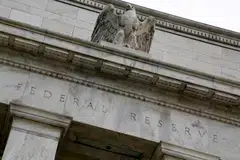


The yield on the 10-year Treasury note is hovering around the 5 per cent level for the first time since the administration of George W Bush, when then Fed chairman Alan Greenspan was determined to allow markets – rather than the Fed’s view of economic conditions – to set the cost of capital.
The reason Powell is so determined to send hawkish signals is his concern that, even as inflation recedes, economic conditions remain a tinderbox.
Petrol prices, while extremely volatile, are substantially higher than they were mid-summer, largely because of the wars in Ukraine and Israel.
Should Iran wade further into the conflict between Hamas and Israel, or feel the need to defend its ally Hizbollah in Lebanon, energy inflation will return with a vengeance.
In the scenario of a widespread war in the Middle East, the World Bank has warned that oil prices will likely double to US$150 a barrel.
McDonald’s, the fast-food chain that has had a rock-bottom pricing strategy in the US for decades, is hiking prices.
General Motors, Ford Motor and Stellantis – the Big Three American automakers – have just made their biggest concessions in generations to the United Auto Workers. Financial analysts said that the prices of their cars will have to go up if the companies are to honour the new wage contracts.
Economic data, including jobs growth, is still too strong for Powell’s liking. Inflation may be at bay based on official statistics, but Powell fears any easing of the leash on monetary policy could let loose the dogs of price increases.
Stocks were flying at the end of the summer, partly because there had been an apparent ailing of the jobs market: weekly jobless claims and the unemployment rate were both inching higher at the time. Bad news was good news for the rate doves.
In the last couple of weeks, however, retail sales, gross domestic product and jobs data have topped expectations – leading stocks to fall. Good news is now a bad thing.
No matter what Powell does or says this week, said one brokerage, Treasury yields are likely to continue their increase. The flood of US Treasury bonds coming to auction is likely to drive up interest rates, warned strategists at brokerage BNP Paribas in a note to clients.
It’s extremely unlikely that Powell would deliver a shock to the financial world by unexpectedly raising rates. He could nevertheless lay the groundwork for a December increase, noted JD Joyce, president of financial advisory Joyce Wealth Management.
“The Fed has more to worry about if employment remains strong, with higher money supply and so much stimulus sloshing around in the system,” said Joyce. “Higher rates are not having as much of an effect slowing down the economy as hoped.”
The expected dovish pause will be the second since the Fed last raised interest rates in July. The longer the pause lasts, of course, the more likely this rate-hike cycle is over. Still, such a dovish sentiment must be tempered with a hawkish outlook for rate plans.
“We look for chair Powell to maintain optionality for further rate hikes under specific conditions, including a destabilisation of inflation expectations, stalled progress on the path towards 2 per cent inflation, or if the tightening of financial conditions is not persistent,” said the BNP strategists.
Decoding Asia newsletter: your guide to navigating Asia in a new global order. Sign up here to get Decoding Asia newsletter. Delivered to your inbox. Free.
Share with us your feedback on BT's products and services
TRENDING NOW

Two Singapore-listed palm oil firms named in Greenpeace report on Indonesian plantation fires

Singapore Airlines flight returns to San Francisco after ‘unruly’ passenger incident
Singapore looking into which companies responsible for haze-causing fires: PM Wong
Deluge IPO 3.86 times subscribed ahead of SGX debut

