



Oil falls as supply moves through Strait of Hormuz after Iran war pact
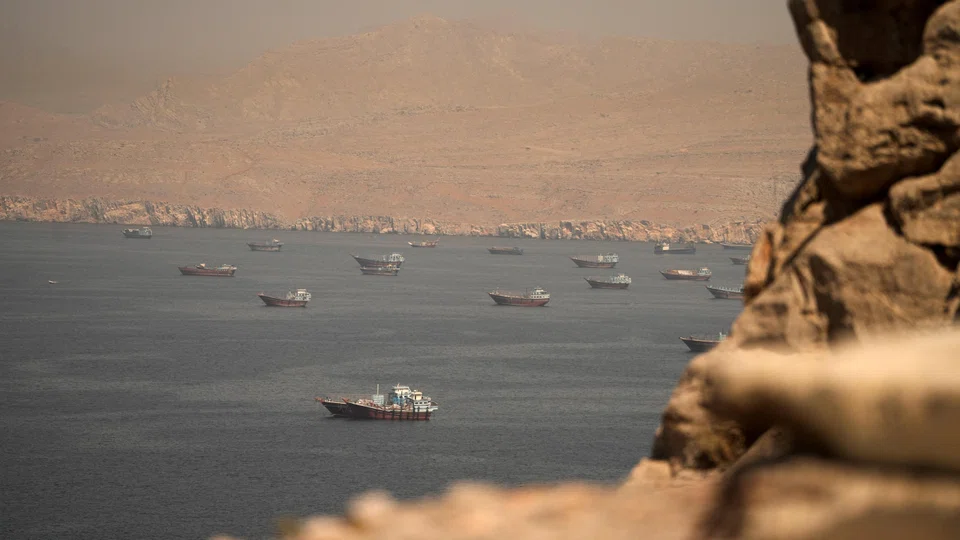
[NEW DELHI] Oil prices fell on Friday (Jun 19) as prospects brightened for more supply after oil tankers began moving through the reopening Strait of Hormuz following a peace deal between the US and Iran.
By 0328 GMT, Brent crude futures fell US$0.43 cents, or 0.54 per cent, to US$79.42 a barrel and US West Texas Intermediate crude slipped US$0.17 cents, or 0.22 per cent, to US$76.43 a barrel, with the front-month July contract expiring on Monday.
The more actively traded August contract was down US$0.30 cents at US$75.55 a barrel.
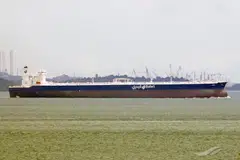
On Thursday, both benchmarks touched their lowest since early March as several tankers, including three Saudi-flagged vessels carrying six million barrels of crude, sailed through the strait hours after the presidents of Iran and the US signed an interim deal to end their war.
Analysts expect the deal to release more than 85 million barrels of oil stranded in the Middle East Gulf into global markets. The agreement also includes the lifting of US sanctions on Iranian oil, which would further swell supply.
“Traders are still waiting for hard evidence that tanker traffic through the Strait of Hormuz is actually normalising before committing to the next leg lower,” said Tim Waterer, chief market analyst at KCM.
Roughly a fifth of the world’s oil and liquefied natural gas transited the strait prior to the war, and analysts have suggested trade could return to normal in coming months if the US-Iran deal holds.
Middle East producers are also gearing up to resume exports.
Kuwait Petroleum Corp said on Thursday it had lifted with immediate effect all force majeure notices issued during the war.
SEE ALSO

Iraq’s oilfields are ready to resume production and output will gradually return to normal, restoring previous rates, Oil Minister Basim Mohammed said.
However, Israel has continued its war against Hizbollah in Lebanon, raising questions about whether the US-Iran peace agreement will hold.
In another disquieting sign for markets, US Vice-President JD Vance pulled out of a planned trip to meet Iranian negotiators in Switzerland on Friday.
“This is not the geopolitical backdrop that would give the market any confidence in resuming Hormuz transit,” said Vandana Hari, founder of oil market analysis provider Vanda Insights. REUTERS
Decoding Asia newsletter: your guide to navigating Asia in a new global order. Sign up here to get Decoding Asia newsletter. Delivered to your inbox. Free.
Share with us your feedback on BT's products and services
TRENDING NOW

GCash parent Mynt rises in market debut after South-east Asia’s top 2026 IPO

In the age of AI, what is a university education for?
Singapore to use ‘every legal and regulatory lever’ against companies linked to haze: Shanmugam
‘IPOs are not the only vehicle’: KKR heads for record exits even as firms stay private for longer

