



Oil prices rise as latest US-Iran fighting resurrects Middle East supply disruption risks
Analysts polled expect oil prices to remain above US$80 a barrel in 2026
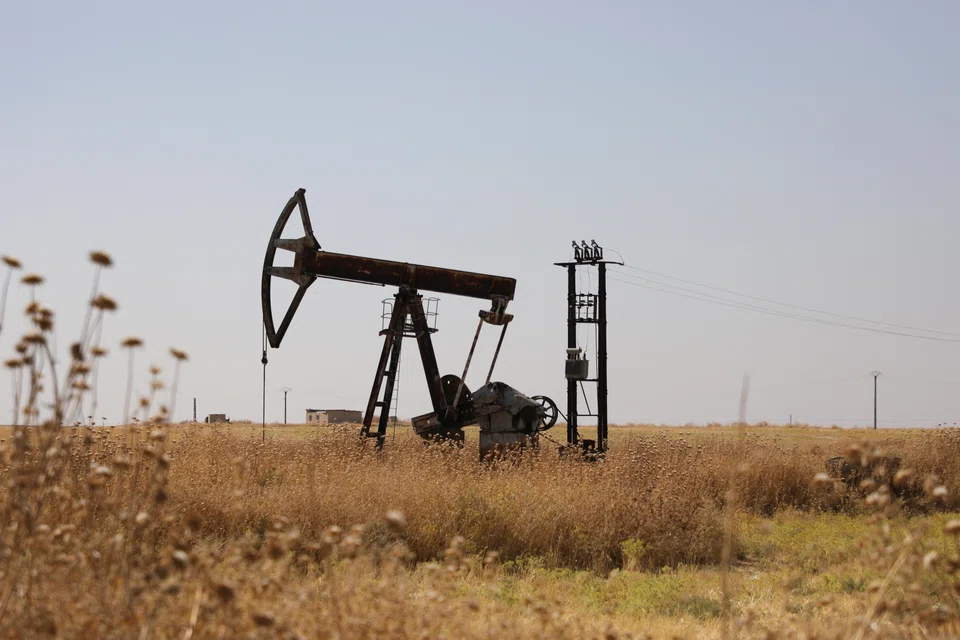
OIL prices gained on Tuesday (Sep 1) as the resumption of fighting between the US and Iran in the Middle East renewed fears of supply disruptions from the world’s key crude-producing region.
Brent crude futures were up US$0.66, or 0.7 per cent, to US$91.15 a barrel at 0640 GMT, while US West Texas Intermediate crude was up US$0.70, or 0.8 per cent, to US$86.46.
In the previous session, Brent closed up 2.7 per cent, at one point reaching its highest since Aug 25, and WTI settled up 2.8 per cent, touching its highest since Aug 21.
On Monday, US President Donald Trump threatened further strikes against Iran following the first exchange of direct attacks between the countries in a month on Sunday, raising tensions in a conflict that had recently shifted into an economic stand-off.
“These bring the potential for Iranian retaliation back into the equation. That in turn raises the prospect of damage to energy infrastructure around the Gulf and adds fresh uncertainty for shipping through the Strait of Hormuz. Both of those risks are being reflected in the firmer tone in crude prices,” said Tim Waterer, chief market analyst at KCM.
On Monday, the number of visible commodity vessels transiting the Strait of Hormuz held at five per day, below the 10-day average of around 14, shipping data from Kpler showed. None of the five ships were liquid tankers.
Efforts by mediators including Qatar and Oman to broker a deal to reopen the Strait of Hormuz, which carried about a fifth of global oil supplies before the war erupted in late February, have so far failed to gain traction.
Iran shut the waterway after the US and Israel attacked the country on Feb 28.
Highlighting the risks that remain to shipping and oil supply, the United Kingdom Maritime Trade Operations agency said on Tuesday a tanker reported being struck by three projectiles while sailing out of the Strait of Hormuz. No casualties or environmental impact were reported.



“Despite satellite tracking firms suggesting oil flowing through Hormuz is around 6 million barrels per day, that is well below pre-conflict levels,” said ANZ analysts in a note.
“In the meantime, the buffers the global oil market has been relying on are becoming exhausted. US inventories are nearing minimum levels, while China’s ability to keep imports low will be tested as seasonal demand picks up.”
Crude oil inventories in the US Strategic Petroleum Reserve declined by about 3.1 million barrels in the week ended Aug 30, leaving stockpiles at 286.6 million barrels.
Analysts polled by Reuters in August expect oil prices to remain above US$80 a barrel in 2026 as shipping disruptions continue. REUTERS
Decoding Asia newsletter: your guide to navigating Asia in a new global order. Sign up here to get Decoding Asia newsletter. Delivered to your inbox. Free.
Share with us your feedback on BT's products and services
TRENDING NOW

LTA proposes combining car COE categories, adding rebate-surcharge system

StarHub to acquire MyRepublic’s mobile business amid ongoing telco consolidation

DBS, OCBC, UOB rout lops billions off STI as inflation, rate concerns spook investors

Grab CEO’s wife Chloe Tong on life with Anthony Tan and finding her purpose

