Singapore, Asian nations step up Ebola screening after WHO declares global health emergency
No cases have been publicly confirmed in Asia
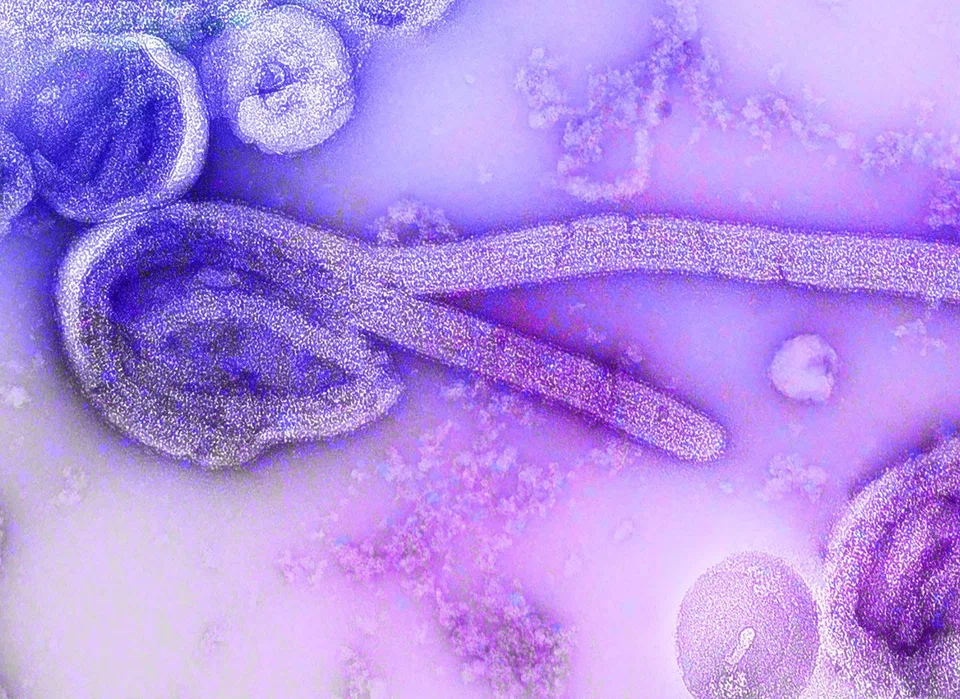
[HONG KONG] Governments across Asia are tightening border screening and quarantine preparedness as health authorities work to contain a growing Ebola outbreak in central Africa.
Several governments have expanded screening and reporting requirements for travellers arriving from affected countries, though officials say the likelihood of local transmission remains low, and no cases have been publicly confirmed in Asia.
Singapore is stepping up precautionary measures to prevent the spread of the Ebola disease into the island, the Communicable Diseases Agency said on Tuesday (May 19).
The agency is “closely monitoring” the outbreak and will instruct travellers arriving from affected destinations to watch for Ebola symptoms for 21 days if unwell, it wrote in a statement. Incoming arrivals are already subject to medical assessments at points of entry, if they present with symptoms compatible with Ebola and have travelled to affected areas, it added.
There are no direct flights to Singapore from Congo and Uganda and travel volume is low, the agency said. Still, the agency is prepared to “adjust its public health measures should the risk assessment change”.
In Hong Kong, a Lantau Island isolation facility used for quarantine during the Covid-19 pandemic has been inspected to ensure it is ready for use should a laboratory-confirmed case of Ebola be detected.
As of May 18, people arriving in mainland China from the affected regions who have been in contact with a known Ebola case or are showing symptoms like a fever or nausea will need to declare themselves to authorities.
The African continent became one of the world’s fastest-growing regions for tourism in recent years, with Chinese tourists flocking to various destinations. Africa also hosted more than 90,000 Chinese workers as of 2024, many employed on construction contracts under the Belt and Road Initiative.
China accounted for 685 of the 2,553 direct flights between Asia and Africa in May, according to Cirium data, though none of them were to Democratic Republic of Congo – the outbreak’s epicentre.
Memories of Covid remain fresh across Asia, particularly in places such as Hong Kong and mainland China that imposed some of the world’s strictest – and fastest – border controls and quarantine measures. Hong Kong also lived through a 2003 SARS outbreak, which killed hundreds of people in the city.
More than 540 suspected cases and dozens of deaths linked to Ebola have been reported since the outbreak started in late April, mainly in Congo’s northeastern Ituri province. The World Health Organization (WHO) on May 17 called the situation a public health emergency of international concern, its highest level of alarm.
Japan, Vietnam, Indonesia and Nepal have also announced increased monitoring or public health measures at ports of entry.
South Korea, meanwhile, is requiring travellers coming from Congo and neighbouring Uganda and South Sudan to report their health conditions to quarantine officials. India is expanding its laboratory preparedness, with the National Institute of Virology in Pune made its nodal testing hub, the Times of India reported. BLOOMBERG
Decoding Asia newsletter: your guide to navigating Asia in a new global order. Sign up here to get Decoding Asia newsletter. Delivered to your inbox. Free.
Share with us your feedback on BT's products and services