



Tankers hit in Hormuz as millions mourn Iran’s Khamenei
The incidents in the strait are a reminder that Gulf shipping remains unresolved
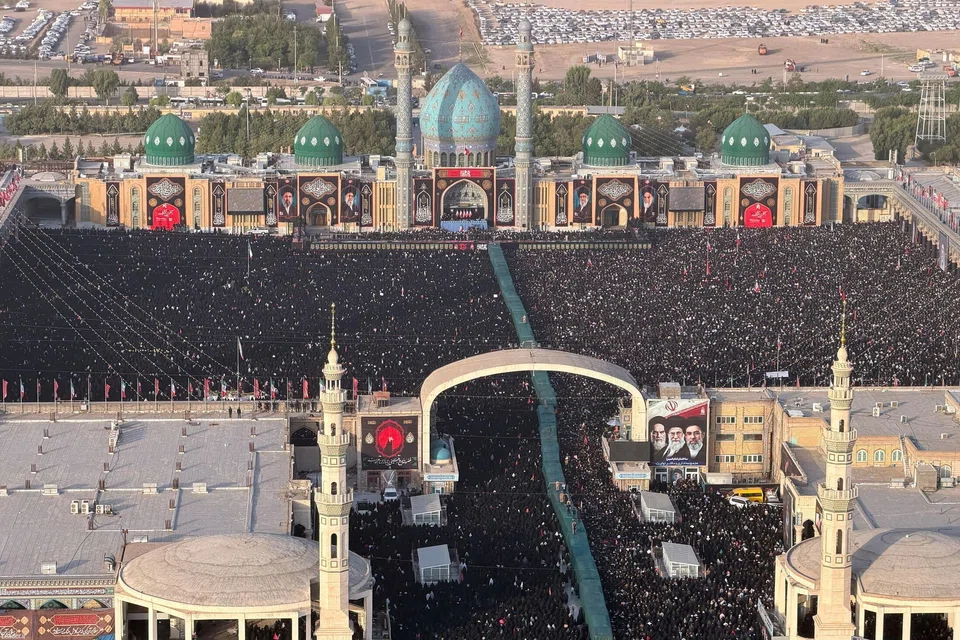
[TEHERAN] Two tankers were hit in the Strait of Hormuz and Iran said that there would be no more peace talks unless US President Donald Trump halted his repeated threats to restart the war, as millions of Iranians vowed vengeance at the week-long funeral of their slain leader.
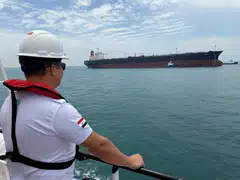
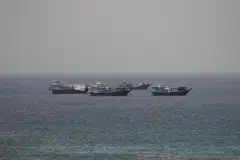
The Qatari liquefied natural gas tanker Al Rekayyat reported that it had been struck overnight and its engine room set on fire. Maritime security sources said that a Saudi crude oil tanker had also been damaged.
“Mayday mayday mayday. This is vessel Al Rekayyat, LNG vessel Al Rekayyat. We are being hit by drone on port side, top of engine room,” the Rekayyat’s captain said in a recorded radio call reviewed by Reuters. “Status: engine room fire and full of smoke. Unable to assess further damage.”
He added that the crew were safe but the ship had been disabled without engines or steering, and called for help from any vessels in the area.
There was no claim of responsibility for the attacks. News website Axios reported that Iran had fired on two ships. Neither Washington nor Teheran commented directly on the reports.
The incidents, the first reported attacks in the strait since mourning for Iran’s supreme leader began last week, were a reminder that Gulf shipping remains unresolved more than four months after the US and Israel launched a war they said would stop Iran from being able to threaten its neighbours.
Firm grip
Iran’s clerical rulers have exerted newfound control over the world’s most important energy shipping route, where they aim to install a permanent system to collect fees in what would amount to a huge shift of the balance of power in a region where Washington has acted as guarantor of security for generations.
Iran’s leadership has demonstrated its firm grip on the country during a week of mourning for Ayatollah Ali Khamenei, who was killed along with his daughter, granddaughter, son-in-law and daughter-in-law on the first day of the war.
The caskets of the slain leader and family were driven through the streets of the seminary city of Qom on Tuesday (Jul 7), where many hundreds of thousands of people carried flags and banners comparing Khamenei to martyrs whose deaths are foundational to the Shi’ite sect.
SEE ALSO
A similar huge funeral procession was held in the streets of Teheran on Monday, following more solemn prayer events that began last Friday, attracting top figures in Iran’s leadership and dignitaries from abroad. Authorities say the leader’s body will be taken to Shi’ite holy cities in neighbouring Iraq, then brought back to Iran and laid to rest in a mediaeval shrine.
Threats to resume bombing
The war has been paused under an interim peace deal reached last month, intended to provide a 60-day period for negotiations on a permanent deal. A round of indirect talks in Qatar concluded last week with no sign of headway towards a lasting peace.
Trump has repeatedly threatened to resume bombing, most recently on Monday when he told reporters in the Oval Office: “We’re either going to make a deal or we’re going to finish the job.... We can knock down their bridges in one hour, we can knock out their energy supply.”
Iran’s Foreign Minister Abbas Araqchi said that under the terms of the interim ceasefire memorandum, negotiations on the final deal would “not commence if threats continue”.
“Honour your signature,” he wrote on X.
Oil prices, which have returned to around the pre-war level since last month’s interim deal let ships resume sailing through the strait, ticked up around 1 per cent on Tuesday following the incidents in the waterway.
In launching the war four months ago, Trump said that his aims were to destroy Iran’s nuclear and missile programmes, end its ability to threaten its neighbours and create conditions for Iranians to topple their leaders.
None of those objectives has been met, although Washington says a permanent deal will halt what it says is an Iranian programme that could make a nuclear weapon, which Iran says it never sought.
Despite five days of mourning, there has still been no sign in public of Khamenei’s son and successor Mojtaba, believed to have been disfigured by wounds in the same attack and yet to be shown in any image since the war began. Three other sons of the slain leader prayed at the casket on Sunday.
Iran’s leaders have portrayed the mass funeral gatherings as proof of national unity following the US-Israeli attacks, although it is difficult to assess how deep that loyalty runs in a country where media and communications are tightly controlled.
Just weeks before the war started, Iran’s authorities killed thousands of demonstrators to put down some of the biggest anti-government protests in the country’s history, but there has been no sign of organised opposition in Iran since the war began. REUTERS
Decoding Asia newsletter: your guide to navigating Asia in a new global order. Sign up here to get Decoding Asia newsletter. Delivered to your inbox. Free.
Share with us your feedback on BT's products and services
TRENDING NOW
Two Singapore-listed palm oil firms named in Greenpeace report on Indonesian plantation fires
Singapore Airlines flight returns to San Francisco after ‘unruly’ passenger incident
Singapore looking into which companies responsible for haze-causing fires: PM Wong

Deluge IPO 3.86 times subscribed ahead of SGX debut

