



Trump extends Hormuz deadline but few signs of progress towards truce with Iran
Gulf countries hope Iranian threat will be neutralised long-term, sources say
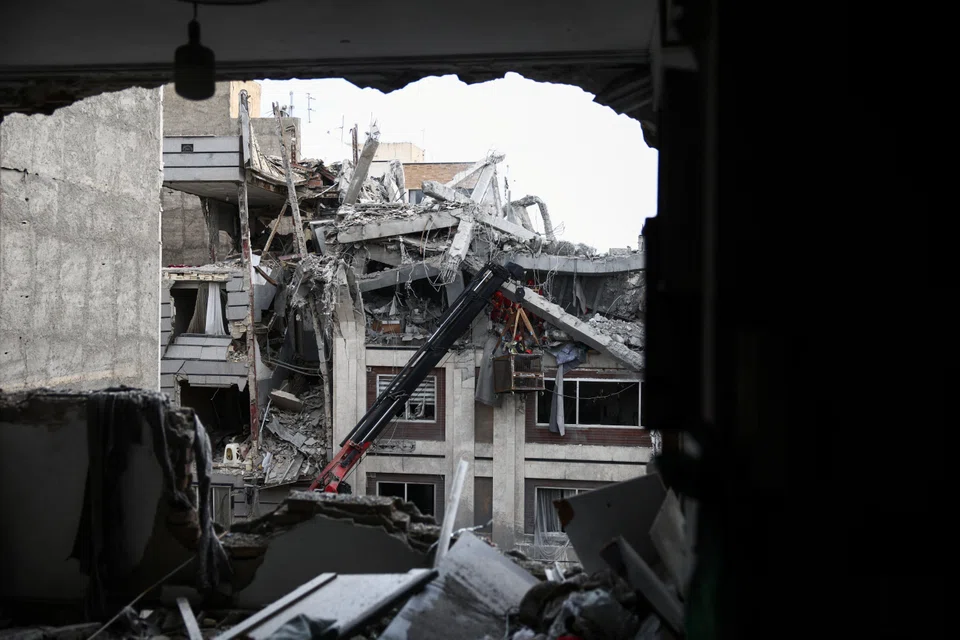
[JERUSALEM/WASHINGTON] US President Donald Trump gave Iran another 10 days to reopen the Strait of Hormuz or face the destruction of its energy plants, after Iran rejected his proposals to end the war he launched together with Israel.
Yet there was little concrete sign of progress towards a truce as missiles continued to rain on Israel and Iran, which has shown signs of being able to sustain a long conflict.
The US, which has set out to neutralise Iran’s long-range strike capabilities, can only confirm that about a third of Iran’s missile arsenal has been destroyed, five people familiar with the US intelligence told Reuters.
Although senior Iranian officials have said diplomacy continues, Teheran gave no direct sign that it was ready for negotiation or compromise.
The Islamic Revolutionary Guard Corps, which has effectively blocked traffic through the strait, conduit for 20 per cent of global oil and liquefied natural gas, reaffirmed that all shipping “to and from ports of allies and supporters of the Israeli-American enemies” to any destination was prohibited.
Iran urges gulf civilians to move away from US bases
Guards also urged civilians across the Middle East, where Iran has already attacked countries hosting US forces, to vacate areas near US bases, Iran’s Mehr news agency reported.
Israeli Defence Minister Israel Katz said Teheran had continued to fire missiles towards civilian areas in Israel, and therefore Israel’s attacks on Iran “will escalate and expand to additional targets”.
The war has spread across the Middle East, killing thousands of people and causing the biggest disruption in history to energy supplies, hitting the global economy with soaring oil, gas and fertiliser prices that have fuelled inflation fears.
In Iran, more than 1,900 people have been killed and at least 20,000 injured, said Maria Martinez of the International Federation of Red Cross and Red Crescent Societies.
SEE ALSO





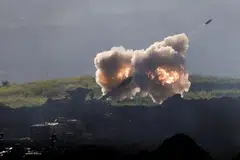
Attacks on Israel by Iran’s Lebanese ally Hizbollah have also prompted an Israeli onslaught that has displaced a fifth of Lebanon’s population.
Both Israel and the US say they want to ensure that Iran can no longer threaten Israel with ballistic missiles or its nuclear programme, which Iran says is purely civilian, and that they would like to trigger an overthrow of Islamic rule.
But as the damage to the Gulf region mounts with no end in sight, Gulf Arab states are telling the US that any deal must not merely end the war but also permanently curb Iran’s missile and drone capabilities and ensure global energy supplies are never again weaponised, four Gulf sources said.
Far from being laid low, Iran’s clerical rulers and the increasingly powerful Guards are still peppering the region with airstrikes, driving up energy prices and roiling financial markets.
While a third of Iran’s missile stock may still be available for use, another third is likely to be damaged or buried in tunnels, some of which could be recovered once fighting stops, said four of the sources familiar with US intelligence, who asked to remain anonymous.
One source said the intelligence on Iran’s drone capability was similar, with about a third most likely destroyed.
On Thursday, Trump posted on social media that he would pause his threat to attack Iranian energy plants for 10 days until Apr 6 at 8 pm (0000 GMT on Apr 7).
“Talks are ongoing and, despite erroneous statements to the contrary by the Fake News Media, and others, they are going very well,” he added.
Shape of any negotiations remains unclear
Iran has said it is not talking directly to Washington, and Trump has not specified who the US is said to be negotiating with in Iran, where many senior officials have been killed in the war.
German Foreign Minister Johann Wadephul said he believed there had been indirect contacts, and preparations had been made to meet soon in Pakistan, which has good relations with Iran and passed on Washington’s 15-point proposal.
The Israeli military said it had attacked dozens of military sites in Teheran overnight linked to Iran’s missile programme, including weapons factories, launch infrastructure and personnel.
Strikes on three buildings in the Pardisan area of Qom, south of Teheran, killed at least 15 people and injured 10 others, Iranian media reported.
In Urmia, in the northwest, a direct missile strike on a housing complex killed and injured several civilians, with rescue operations continuing, Iranian media said.
The Fars news agency said two of Iran’s largest steel plants, in Ahvaz and Isfahan, had been attacked.
Stock markets continued their slide, while the Brent crude oil benchmark stood around US$111, having risen more than 50 per cent since the war began.
In the US, where Trump is politically vulnerable to rising fuel prices, diesel in California hit an all-time high at an average US$7.17 a gallon, according to the American Automobile Association.
“Many see the Iranian regime as holding the upper hand and doubt that there are indeed productive negotiations with the US in process,” said ITC Markets senior FX analyst Sean Callow.
The US proposal included demands ranging from dismantling Iran’s nuclear programme to curbing its missile development and effectively handing over control of the Strait of Hormuz, according to sources and reports.
An Iranian official told Reuters on Thursday that senior Iranian officials had reviewed the proposal and felt it served only US and Israeli interests. But they said diplomacy had not ended. REUTERS
Decoding Asia newsletter: your guide to navigating Asia in a new global order. Sign up here to get Decoding Asia newsletter. Delivered to your inbox. Free.
Share with us your feedback on BT's products and services
TRENDING NOW

DBS, OCBC, UOB rout lops billions off STI as inflation, rate concerns spook investors

Grab CEO’s wife Chloe Tong on life with Anthony Tan and finding her purpose

OCBC sheds S$8 billion in value as shares close nearly 6% down; analysts cautious on banks

Deal between tycoon friends sparks scrutiny of Philippine power sector

