



UAE moves to cut dependency on Strait of Hormuz to ‘zero’
At the heart of the plan is a major expansion of the eastern ports of Dibba, Fujairah and Khor Fakkan
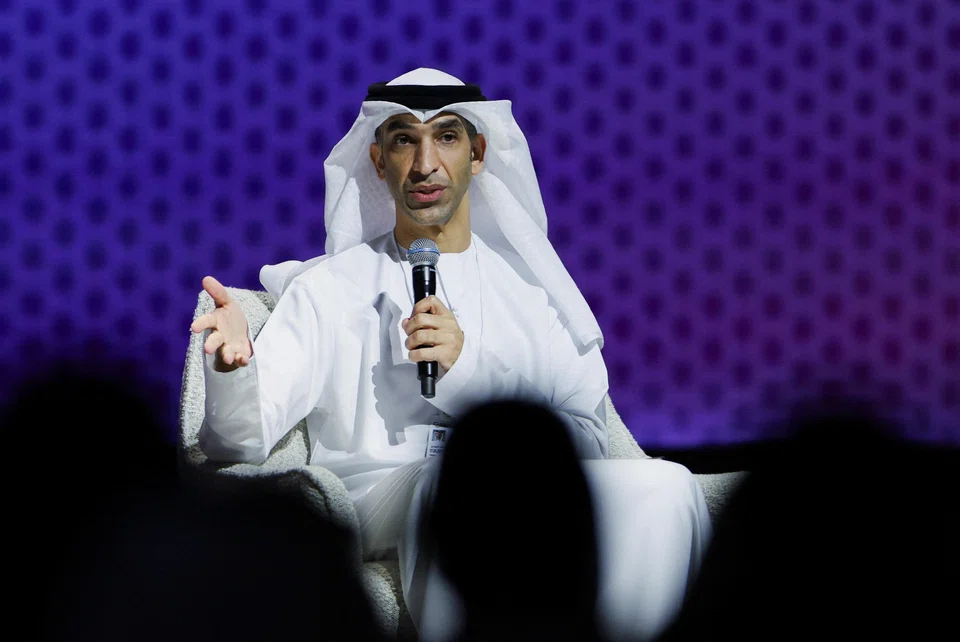
[DUBAI] As the world awaits the full reopening of the Strait of Hormuz following the signing of an interim peace deal between Iran and the US, the United Arab Emirates is working on a highly ambitious plan to try to end its dependence on the critical chokepoint.
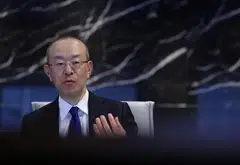
“We’re moving towards having zero Hormuz dependency and that’s regardless of whether it’s open or not,” the UAE’s Minister of Foreign Trade Thani Al Zeyoudi said in an interview. “It’s going to open and we hope that will happen quickly, but we will not stop the new plan.”
The effective shuttering of Hormuz since the US and Israel began bombarding Iran in late February has highlighted the critical importance of the waterway to global supplies of energy and other commodities, from fertilisers and helium to aluminium.
The UAE has already benefited from being able to partially bypass the strait, using an existing pipeline to keep some crude moving through ports on its east coast. The country has also managed to move some oil cargoes through Hormuz in recent weeks, with ships going dark to avoid detection.
At the heart of the UAE’s plan, according to Al Zeyoudi, is a major expansion of the eastern ports of Dibba, Fujairah and Khor Fakkan, which sit outside the strait on the Gulf of Oman coast. The UAE will also build at least one other new harbor on the same coastline, he said.
This will be accompanied by a significant investment in new pipelines, as well as rail and road networks, he said, projects that will improve connections between the eastern ports and the country’s oil and gas fields and petroleum facilities.
In addition to fast-tracking construction of a second pipeline to double the amount of crude it is able to export via Fujairah, announced in mid-May, the UAE is looking at building a third petroleum pipeline. The country is exploring further options to ensure the export of petrochemicals, LNG and other energy products, said Al Zeyoudi.
While he did not provide the cost and timeline for these projects, saying they were in the planning phase, they would probably require many billions of US dollars to be completed.
“The direction is already there, we’re doing the whole feasibility studies to move on,” he said. “During those tough times, you always identify your gaps and you start working on it.”
SEE ALSO
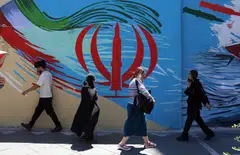
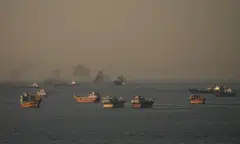

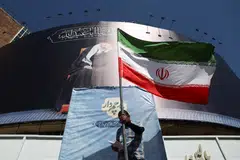
About a fifth of the world’s crude and liquefied natural gas flowed through Hormuz before the war, and its closure has reverberated through the global economy by pushing up inflation.
Reducing the UAE’s reliance on the strait will be far from easy. Pipelines may eventually enable the former Opec member to send all or most of its crude and refined oil to eastern ports, but it will be harder to redirect other commodities, such as LNG and aluminium.
Moreover, the UAE is heavily reliant on its Gulf ports such as Jebel Ali – the world’s biggest container hub outside of Asia – for imports. It will be more expensive to truck goods from eastern ports to major cities such as Dubai and Abu Dhabi.
Al Zeyoudi said those costs would be mitigated by a major railway expansion and both Jebel Ali and Abu Dhabi’s Khalifa Port would remain major redistribution hubs.
The UAE currently operates an LNG export terminal inside the Persian Gulf, which Arab states call the Arabian Gulf. The country is building another project, also within the gulf, that will more than double its export capacity.
The US-Israeli strikes on Iran – which prompted Teheran to attack other Gulf states – was an unprecedented shock for a nation that’s built its economy on free trade and navigation, and has been a haven from Middle Eastern wars.
Iran fired close to 3,000 drones and ballistic missiles at the UAE, more than any other country. Although the vast majority were intercepted, some damaged critical energy and port facilities, including Fujairah on the east coast.
The UAE has partially offset the closure of the Strait of Hormuz by ramping up cargo imports through Khor Fakkan and oil exports from Fujairah. The existing 1.5 million barrel-a-day link from the oil fields to the latter port proved to be a crucial lifeline.
Al Zeyoudi said air cargo played a major role in moving many commodities – albeit at a much higher cost than by sea. So did the practice of having cargo delivered and cleared at ports in countries like Egypt and India.
Underscoring the importance of Hormuz to the country’s economy, the UAE has consistently said Iran must reopen it and allow free passage. Along with the US, Europe and other Gulf states, it’s resisting Iranian assertions that the Islamic Republic can charge navigation fees even after the war is over.
The “uninterrupted flow of traffic through the Strait of Hormuz” is crucial for “advancing security, stability, and economic prosperity at both the regional and global levels,” the UAE said in a statement this week. BLOOMBERG
Decoding Asia newsletter: your guide to navigating Asia in a new global order. Sign up here to get Decoding Asia newsletter. Delivered to your inbox. Free.
Share with us your feedback on BT's products and services
TRENDING NOW

Once staunchly pro-China, Malaysian Chinese businesses are now distancing themselves from Beijing

Looking beyond looming CEO succession, should UOB potentially pursue a transformative merger?

Could stablecoins be the future of money?

Grab CEO’s wife Chloe Tong on life with Anthony Tan and finding her purpose

