

UAE left Opec to pump more as end of oil era looms, presidential adviser says
The decision can have a major impact on the organisation’s control over supplies when oil flows normalise
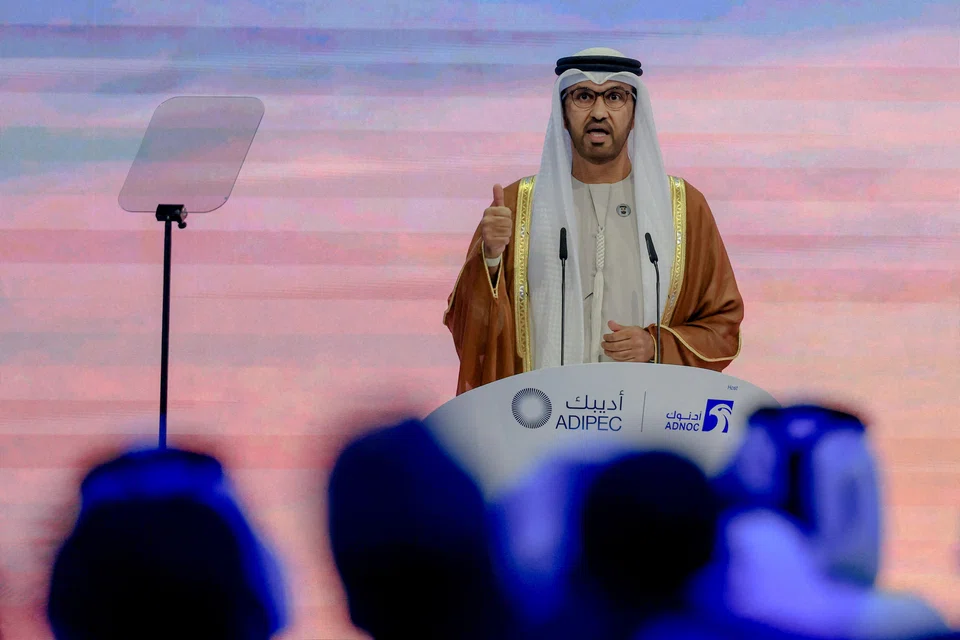
[DUBAI] The decision by the United Arab Emirates (UAE) to leave the Organization of the Petroleum Exporting Countries (Opec) was three years in the making.
It is based on its view the world is near the “autumn of the hydrocarbon age”, meaning the country needs to maximise oil revenues while it can, a senior adviser to the president said.
The UAE ended its nearly 60-year membership of Opec on May 1.
In the immediate term, the decision is unlikely to affect the market because of Iran’s effective closure of the Strait of Hormuz.
However, it could have a major impact on Opec’s control over supplies when oil flows normalise.
Anwar Gargash, adviser to UAE President Sheikh Mohamed Zayed Al Nahyan, said the country’s exit was chiefly because its Opec production quotas kept output well below capacity.
“We see that we are close to the sort of autumn of the hydrocarbon age,” he added.
“And as a result, if you have the ability to produce and generate income and use that income in other investments, that’s what you should do.”
The UAE’s production capacity is 4.9 million barrels a day. It plans to raise it to five million barrels a day by 2027.
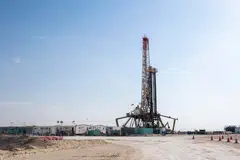
Just before its exit from Opec and the wider Opec+ group, which brings in other oil producers led by Russia, its production target was closer to 3.5 million barrels a day.
The Abu Dhabi National Oil Company CEO, Sultan Al-Jaber, on Wednesday (May 20) said the UAE would continue to be a responsible, stabilising force in energy markets.
Formerly allies, Saudi Arabia and the UAE have in recent years become rivals.
They have disagreed on not just oil policy, but also regional geopolitics and attracting foreign talent and capital.
The tensions burst into public view at the turn of the year, when fighting broke out in Yemen between opposing factions supported by each side. REUTERS
Decoding Asia newsletter: your guide to navigating Asia in a new global order. Sign up here to get Decoding Asia newsletter. Delivered to your inbox. Free.
Share with us your feedback on BT's products and services
TRENDING NOW

Once staunchly pro-China, Malaysian Chinese businesses are now distancing themselves from Beijing

Looking beyond looming CEO succession, should UOB potentially pursue a transformative merger?

Could stablecoins be the future of money?

Grab CEO’s wife Chloe Tong on life with Anthony Tan and finding her purpose

