
United Nations adopts first global artificial intelligence resolution
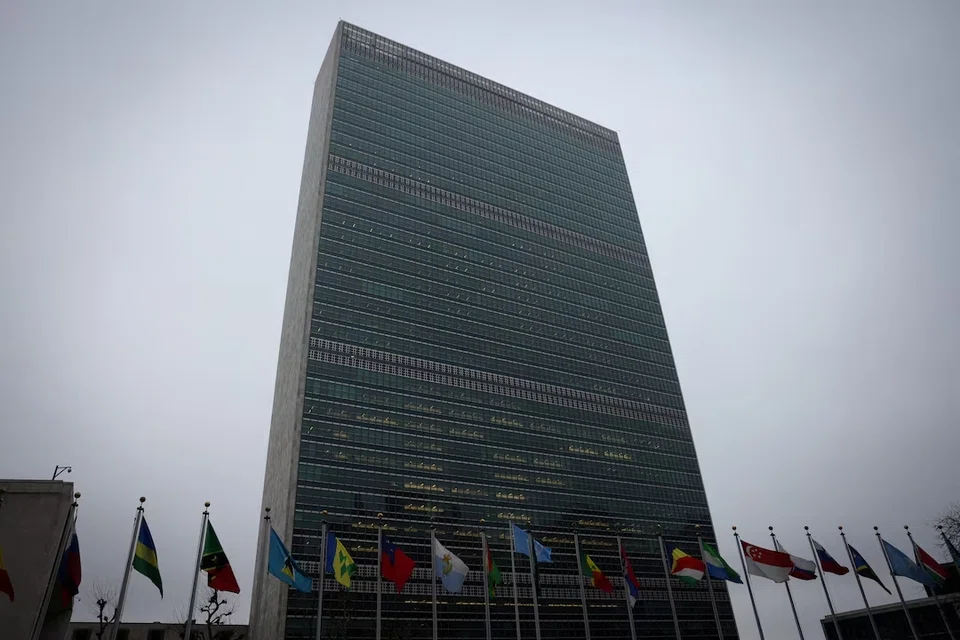
THE United Nations General Assembly on Thursday (Mar 21) unanimously adopted the first global resolution on artificial intelligence (AI) that encourages countries to safeguard human rights, protect personal data, and monitor AI for risks.
The non-binding resolution, proposed by the United States and co-sponsored by China and over 120 other nations, also advocates the strengthening of privacy policies.
“Today, all 193 members of the United Nations General Assembly have spoken in one voice, and together, chosen to govern artificial intelligence rather than let it govern us,” US Ambassador to the United Nations Linda Thomas-Greenfield said.
The resolution is the latest in a series of initiatives – few of which carry teeth – by governments around the world to shape AI’s development, amid fears it could be used to disrupt democratic processes, turbocharge fraud or lead to dramatic job losses, among other harms.
“The improper or malicious design, development, deployment and use of artificial intelligence systems ... pose risks that could ... undercut the protection, promotion and enjoyment of human rights and fundamental freedoms,” the measure says.
In November, the US, Britain and more than a dozen other countries unveiled the first detailed international agreement on how to keep AI safe from rogue actors, pushing for companies to create AI systems that are “secure by design”.
Europe is ahead of the US, with European Union lawmakers adopting a provisional agreement this month to oversee the technology. The Biden administration has been pressing lawmakers for AI regulation, but a polarised US Congress has made little headway.
In the meantime, the White House sought to reduce AI risks to consumers, workers, and minorities while bolstering national security with a new executive order in October.
US National Security Advisor Jake Sullivan said that it took nearly four months to negotiate the resolution, but that it gave the world “a baseline set of principles to guide next steps in AI’s development and use”.

Asked on Wednesday whether negotiators faced resistance from Russia or China, senior administration officials said that there were “lots of heated conversations”, but the administration actively engaged with countries with which it has different views.
Like governments around the world, Chinese and Russian officials are eagerly exploring the use of AI tools for a variety of purposes. Last month, Microsoft said that it had caught hackers from both countries using Microsoft-backed OpenAI software to hone their espionage skills.
In response to the Microsoft report, China has said that it opposes what it called groundless accusations while Russia did not respond to a request for comment.
Decoding Asia newsletter: your guide to navigating Asia in a new global order. Sign up here to get Decoding Asia newsletter. Delivered to your inbox. Free.
Share with us your feedback on BT's products and services