US, China to set up trade and investment boards to address mutual concerns, says Beijing
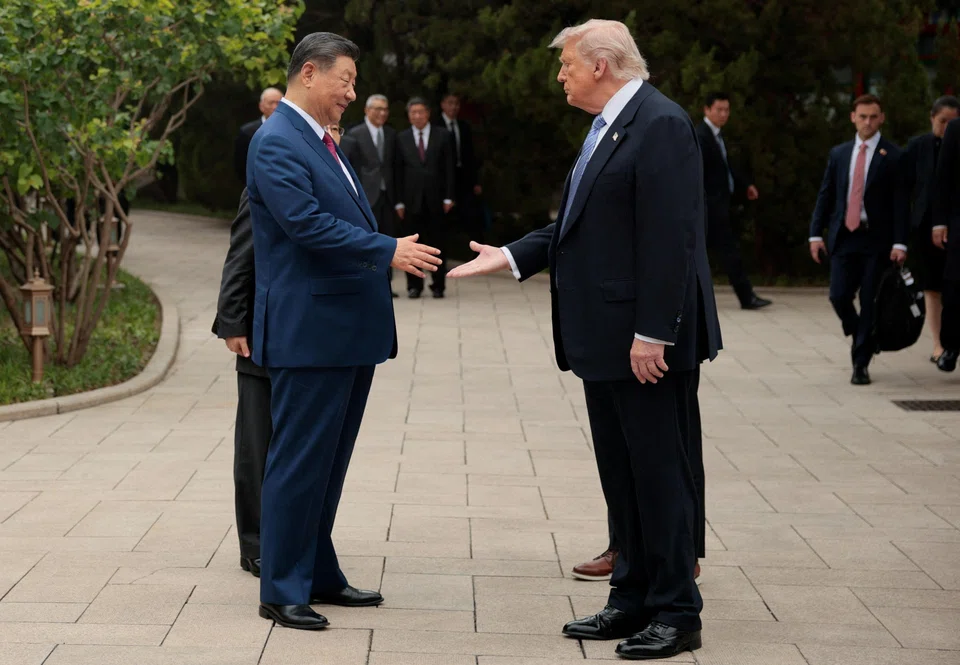
THE US and China agreed to establish boards on trade and investment at the May 14-15 Trump-Xi summit, though US President Donald Trump said he did not discuss a possible extension of his tariff truce when he met with Chinese President Xi Jinping.
Both nations will work to establish the councils to address mutual concerns over market access and agricultural products, Chinese Foreign Minister Wang Yi said in a briefing, according to the foreign affairs ministry. Working-level teams still must discuss details before implementing the plan, he said.
Setting up the new groups was one of the key aims of the summit meeting, though it’s unclear how much they will help iron out longstanding differences over trade between Washington and Beijing. US Trade Representative Jamieson Greer said earlier that the two sides had discussed creating a “Board of Trade” that would see tariffs reduced on at least US$30 billion in non-critical goods.
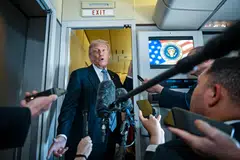
Yet the leaders appeared only to make limited progress on trade issues in Beijing. “We didn’t discuss tariffs,” Trump told reporters on Friday (May 15) aboard Air Force One. “They’re paying substantial tariffs, but we didn’t discuss.”
Economic and trade teams from the US and China will work to expand two-way trade under a “reciprocal tariff reduction framework,” state media reported.
There had been speculation the two leaders could announce an extension of the deal they brokered during their last meeting that cooled a trade war between Washington and Beijing, which rattled financial markets as the two sides imposed escalating retaliatory tariffs.
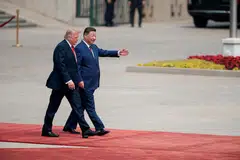

Trump and Xi eventually agreed to a broad one-year truce in October 2025 to ease those levies, with Beijing also committing to US soybean purchases and relaxing export controls on critical rare earths. That agreement is set to expire later in 2026.
While Trump maintained the leaders this week spoke about “almost everything you can discuss, except for a reduction of tariffs,” he did allow that the two sides outlined efforts to reduce the flow of precursor chemicals used in the production of fentanyl. Trump has cited fentanyl flows in imposing some of the levies he placed on China.
“I put a tariff on because of fentanyl, and they discussed that,” Trump said. The US president indicated he was impressed that “fentanyl is way down from where it was” but said his trade “penalty” may have been the reason why. BLOOMBERG
Decoding Asia newsletter: your guide to navigating Asia in a new global order. Sign up here to get Decoding Asia newsletter. Delivered to your inbox. Free.
Share with us your feedback on BT's products and services