



US-Iran peace talks could resume in Pakistan: sources
The Iranian foreign minister is expected to arrive on Friday night; an American logistics and security team is already in place for potential discussions
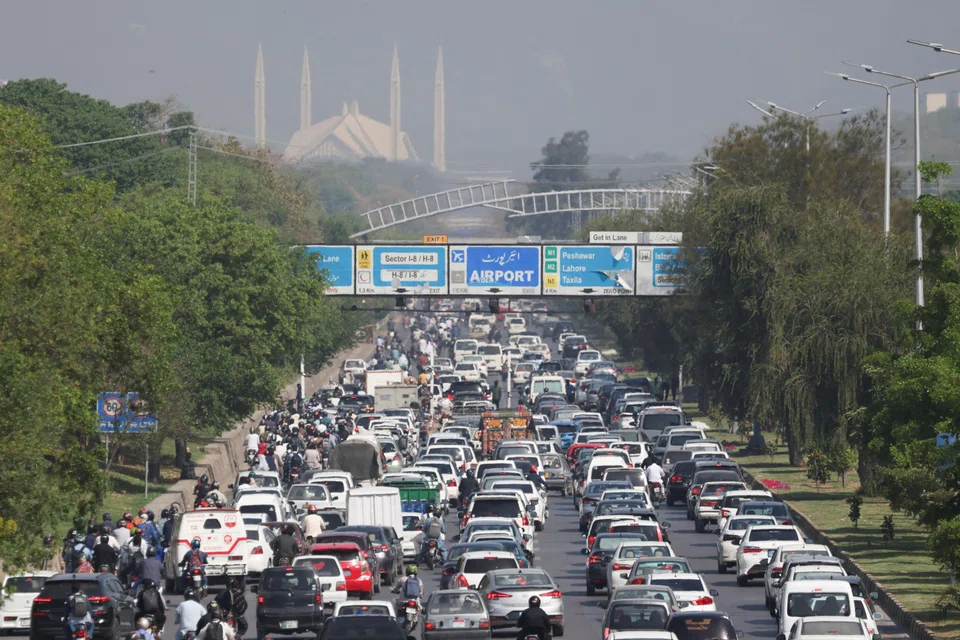
[ISLAMABAD] Peace talks between Iran and the United States could resume soon in Pakistan, where Iranian Foreign Minister Abbas Araqchi was expected to arrive on Friday (Apr 24) night, three Pakistani sources said.
Two of the sources, from the Pakistani government, said a US logistics and security team was already in place for potential talks.
There was no immediate direct response from Washington or Teheran to the report, but US Defense Secretary Pete Hegseth, speaking around the same time, told a briefing that Iran had a chance to make a “good deal” with the US.
The last round of peace talks had been expected on Tuesday but never took place, with Iran saying it was not yet ready to commit to attending and a US delegation led by Vice-President JD Vance never leaving Washington.
President Donald Trump unilaterally extended a two-week ceasefire on Tuesday at the 11th hour to allow more time to reconvene the negotiators.
On Thursday, Israel and Lebanon extended a separate ceasefire for three weeks at a meeting at the White House brokered by Trump.
Iran considers maintaining the ceasefire in Lebanon a precondition for talks with the US on the wider war.
Trump said on Thursday that he was in no rush to reach an agreement and wanted it to be “everlasting”, while asserting that the US had an upper hand in a standoff in the Strait of Hormuz, the world’s most important energy shipping route.
The US has yet to find a way to open the strait, where Iran has blocked nearly all ships apart from its own since the start of the war eight weeks ago. Iran showed off its control this week by seizing two huge cargo vessels there.
SEE ALSO



Trump imposed a separate blockade of Iranian shipping last week, with US forces boarding several Iranian ships in international waters. Iran says that it will not reopen the strait until Trump lifts his blockade.
Only five ships crossed the strait in the last 24 hours, shipping data showed on Friday, compared to around 130 a day before the war. Those included one Iranian oil products tanker, but none of the vast crude-carrying supertankers that normally feed global energy markets.
Container shipping company Hapag-Lloyd also said one of its ships had crossed, without giving details. REUTERS
Decoding Asia newsletter: your guide to navigating Asia in a new global order. Sign up here to get Decoding Asia newsletter. Delivered to your inbox. Free.
Share with us your feedback on BT's products and services
TRENDING NOW

LTA proposes combining car COE categories, adding rebate-surcharge system

StarHub to acquire MyRepublic’s mobile business amid ongoing telco consolidation

DBS, OCBC, UOB rout lops billions off STI as inflation, rate concerns spook investors

Grab CEO’s wife Chloe Tong on life with Anthony Tan and finding her purpose

