



What to know about the US-Iran ceasefire talks in Pakistan
Vice-President JD Vance will lead the US delegation, while the speaker of Iran’s parliament, Mohammad Bagher Ghalibaf, will represent his country
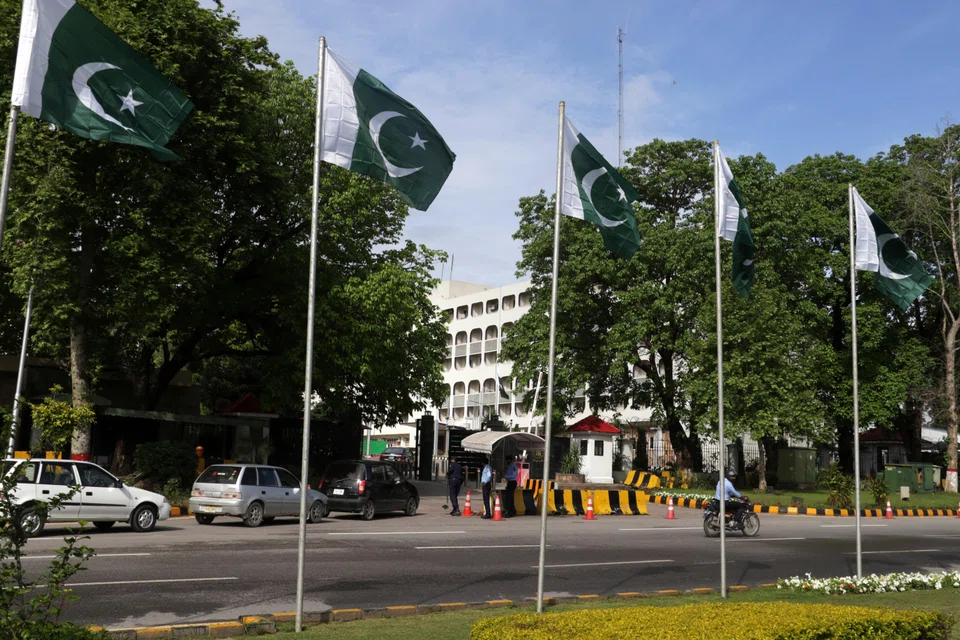
THE US delegation is set to meet with Iranian officials in Pakistan on Saturday (Apr 11) for talks as continued strikes in the region test a tenuous ceasefire.
Pakistan brokered a two-week ceasefire between the US and Iran on Tuesday, pulling off a diplomatic victory after more than five weeks of war tied to thousands of deaths in the Middle East.
US officials are entering the talks in Islamabad, the Pakistani capital, amid rival demands from Teheran and Washington over a longer-term settlement and doubts about the durability of the ceasefire that is in place now.
The Israeli military has continued to attack sites in Lebanon, where the Iranian-backed militia Hizbollah holds sway. And confusion over the status of the Strait of Hormuz, the vital oil route that Iran closed off to US allies during the war, has also tested the tentative truce.
Here’s what to know about the talks this weekend.
Who is the host?
Pakistan will host the talks between the US and Iran and serve as a mediator.
Pakistan shares a 910 km border and deep bonds with Iran. It has also spent the last year wooing President Donald Trump, lavishing him with praise, nominating him for the Nobel Peace Prize and striking a series of business deals with the administration.
In June 2025, Pakistan’s top military leader, Field Marshal Syed Asim Munir, had a private lunch with Trump at the White House.
Who will attend?
US Vice-President JD Vance will lead the American delegation, which will also include Trump’s special envoy Steve Witkoff and his son-in-law Jared Kushner.


Witkoff and Kushner led the last round of talks with Iranian officials in late February, when they concluded that Teheran was not open to a deal over its nuclear programme.
Veteran diplomats have raised concerns that Trump has sidelined skilled experts and left Middle East diplomacy in the hands of a friend and family member, who have backgrounds in real estate.
The speaker of Iran’s parliament, Mohammad Bagher Ghalibaf, will represent his country, according to Iranian state media.
He is one of the highest-ranking officials left in Iran since Israeli strikes took out many of the country’s top leaders, including the nation’s supreme leader, Ayatollah Ali Khamenei.
Before he was killed at the start of the war on Feb 28, Khamenei designated Ghalibaf as his de facto deputy to lead the Iranian armed forces during war.
What are the big issues on the table?
Iran’s nuclear enrichment and ballistic missile programmes, as well as its moves against the Strait of Hormuz, will likely be major talking points during negotiations. As of Thursday, hundreds of tankers were still waiting to return to the waterway that once transported a large portion of the world’s seaborne oil and gas.
Iranian officials are seeking a guarantee from the US of a more permanent end to hostilities, going further than the ceasefire that US mediators are offering.
What is Iran’s 10-point proposal?
Iran released the proposal on Wednesday, outlining sweeping demands that would be difficult, if not impossible, to reconcile with US aims.
The framework allows Iran to maintain control of the strait, requires the US to withdraw its forces from all bases in the region and maintains Iran’s right to nuclear enrichment.
It also calls for an end to Israeli attacks on Hizbollah fighters in Lebanon. Israel and the US say the current ceasefire does not apply to Lebanon.
A day earlier, Trump described the Iranian framework as “a workable basis on which to negotiate” an end to the war. But a White House official, who spoke on the condition of anonymity, said that the demands in the 10-point plan were not in keeping with the framework Trump meant.
Many of them are likely to conflict with a 15-point proposal that US mediators laid out last month, which officials said addressed Iran’s ballistic missile and nuclear programmes, as well as maritime trade.
In a Truth Social post Thursday, Trump referred to the 15 points and claimed that Iran had already agreed to many of them. NYTIMES
Decoding Asia newsletter: your guide to navigating Asia in a new global order. Sign up here to get Decoding Asia newsletter. Delivered to your inbox. Free.
Share with us your feedback on BT's products and services
TRENDING NOW
Malaysian king buys stake in Singapore-listed mining firm expanding into rare earths

Family offices ‘kept captive’ by relationship managers turn to independent advisers, direct deals

Once staunchly pro-China, Malaysian Chinese businesses are now distancing themselves from Beijing

Could stablecoins be the future of money?

