



World Bank raises Vietnam, Philippines to upper-middle income status
The World Bank cited Vietnam’s export-led growth model and the Philippines’ broad-based expansion
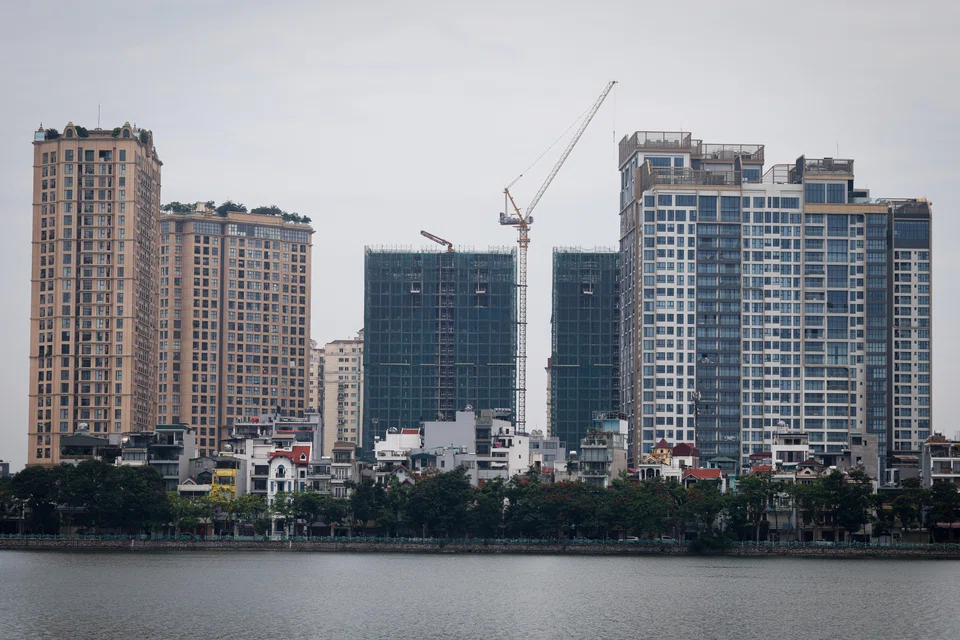
THE World Bank has elevated Vietnam and the Philippines to upper-middle income status after years of brisk economic expansion, potentially bolstering investor confidence in the two nations.
All five of the major South-east Asian economies – which include Singapore, Malaysia and Thailand – are now at the upper-middle income tier and above, the World Bank said in a release on Wednesday (Jul 1).
Vietnam had been categorised as lower-middle income since 2009, while the Philippines had been there since the late 1980s, data showed.
The World Bank cited Vietnam’s export-led growth model and the Philippines’ broad-based expansion, “reflecting gains across all major industries, not a single sector boom, but an economy-wide shift”.
Vietnam’s and the Philippines’ gross national income per capita reached US$4,970 and US$4,850 in 2025, respectively, exceeding the US$4,636 threshold for the upper-middle income category.
“Despite global and domestic shocks, we have relentlessly pursued inclusive growth, strengthened fundamentals, and remained on track with our development agenda,” Philippine Economic Planning Secretary Arsenio Balisacan said in a statement.
One of Asia’s fastest-growing economies, Vietnam is targeting annual double-digit growth in 2026, fuelled in part by a spate of business-friendly reforms and a massive infrastructure investment drive.
The Philippines, however, faces a trickier path ahead. It cut its economic growth targets from 2026 through 2030 due to tensions in the Middle East tensions and an intense El Nino weather event.
Other countries that moved to upper-middle income category are Jordan, Micronesia, and Sri Lanka.
SEE ALSO
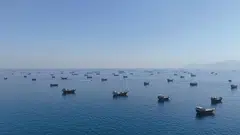

Togo was reclassified to lower-middle income from low income. The share of economies classified as low income has declined to 11 per cent from 30 per cent since 1987, the World Bank said.
Financing impact
As upper-middle income nations, governments may get more limited access to development funding.
The Philippines, for example, gets loans that carry below-market interest rates to help finance infrastructure, disaster recovery and social programmes.
Ruben Carlo Asuncion, chief economist at Union Bank of the Philippines, said: “The main point is, the more you go up the ladder of their classification, (the more you are) self-sufficient and able to supply your own needs and resources as a nation, including the fiscal part.”
Balisacan said that while some concessional Official Development Assistance may decline over time, the “gains from stronger fundamentals and improved market access are expected to outweigh these adjustments”.
He added that the new classification does not diminish the Philippines’ ongoing challenges, as income disparities persist and many still face economic difficulties. BLOOMBERG
Decoding Asia newsletter: your guide to navigating Asia in a new global order. Sign up here to get Decoding Asia newsletter. Delivered to your inbox. Free.
Share with us your feedback on BT's products and services
TRENDING NOW

Once staunchly pro-China, Malaysian Chinese businesses are now distancing themselves from Beijing

Britain’s mansion tax shows the difficulty of targeting wealth

Three hats, one goal: How Ng Kian Swan runs sustainability at NUHS
COE review: The gap between luxury and mass-market cars isn’t the only one worth bridging

