World’s appetite for AI makes China less afraid of stronger renminbi
AI investment boom is changing China’s trade structure
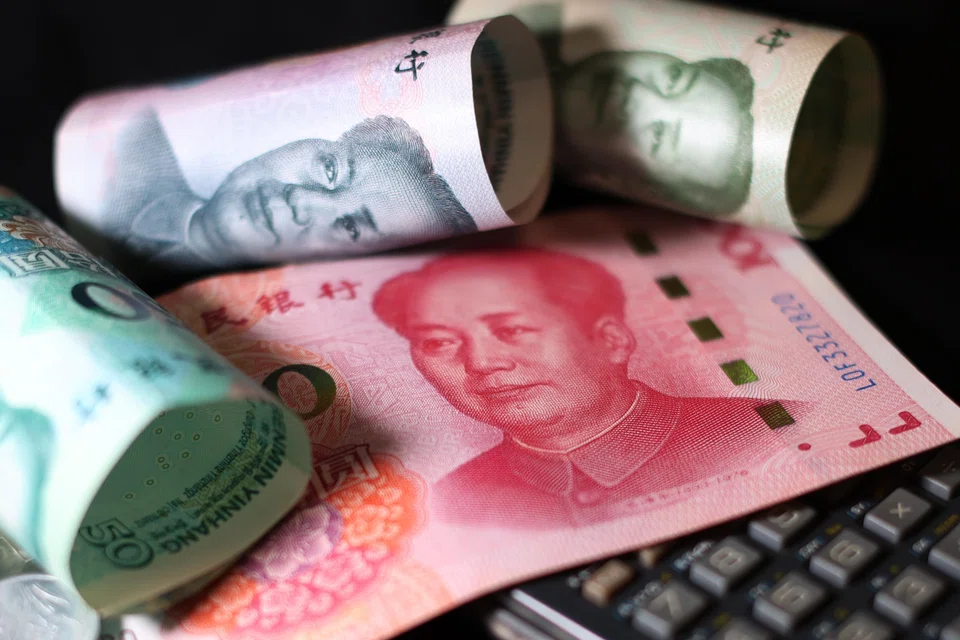
[BEIJING] The global AI investment boom is powering a new wave of Chinese exports and making Beijing more comfortable with a stronger renminbi.
The tightly managed onshore currency is set for a sixth quarter of gains against the US dollar – a streak not seen since 2013. In the past, such a move would have drawn a more forceful response from Beijing, which is usually wary it could hurt exports and economic growth.
But even as the renminbi climbed to its strongest level since 2023 and the economy looked more fragile, policymakers have shown little urgency to step in.
That’s in large part because the AI investment boom is changing China’s trade structure.
The country once relied on low-cost manufacturing, with producers of garments, furniture and household goods operating on razor-thin margins that made exchange-rate swings matter more. Now, more companies are riding a lucrative wave as demand for semiconductors, servers and other AI hardware becomes a powerful new export driver, easing the pressure a stronger yuan would traditionally place on manufacturers.
Equally striking has been the surge in imports this year, outpacing export growth as China buys more chips and semiconductor equipment. Deutsche Bank noted that the last two times inbound shipments grew much faster than outbound – in 2010-11 and 2017 – the renminbi strengthened against the US dollar. A stronger currency makes imports cheaper.
“What has changed is exports appear less sensitive to currency moves than previously thought, meaning the benefits of currency appreciation carry more weight in exchange rate policy,” said Duncan Wrigley, chief China economist at Pantheon Macroeconomics.
Since 2013, China’s export engine has expanded dramatically as the renminbi fell against the US dollar. The country’s trade surplus widened from around US$260 billion in 2013 to record levels approaching US$1.2 trillion last year.
Over that period, the renminbi weakened from around six per US dollar to beyond seven at various points. Beijing largely tolerated – and at times appeared to encourage – currency weakness when the economy was under strain, including during the 2015 devaluation that shocked global markets and the 2018-20 trade war with the US. The renminbi also faced sustained pressure from 2022 through early 2025 as China’s interest rates fell below US levels and the property downturn deepened.
SEE ALSO
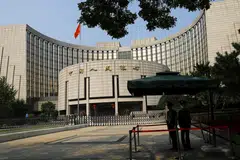


By contrast, when the renminbi rose sharply between 2020 and late 2021, the People’s Bank of China (PBOC) warned against one-way appreciation through verbal guidance, adjusted foreign-exchange reserve requirements and lowered the costs for forward FX purchases.
Now, even as the renminbi strengthened, exports hit another record in April. About half of export growth came from semiconductors and computers, while traditional categories such as clothing and furniture were flat or shrinking.
At the same time, the economy is faltering after a strong first quarter. Yet the PBOC kept daily fixings near the strongest in three years, signalling greater comfort with currency strength. Exporters have also been converting more US dollar earnings into renminbi, a sign they expect the renminbi to remain stable or strengthen further.
“As Chinese firms continue moving up the value chain, their competitiveness is less dependant on a weak exchange rate,” said Rajeev De Mello, portfolio manager at Gama Asset Management
The PBOC did not immediately respond to a Bloomberg News request for comment on its exchange-rate policy.
Bullish calls
The trend has emboldened more analysts to bet on further gains. Goldman Sachs Group estimates the yuan is more than 20 per cent undervalued and may strengthen to about 6.5 per US dollar in the coming year.
Others see a bigger move. Alpine Macro’s strategist Yan Wang say it could even hit around four over the longer term. The consensus estimate compiled by Bloomberg shows a year-end level of 6.75. The onshore yuan is currently at 6.78.
UBS Group’s top trade for 2026 was going long the renminbi against its trade-weighted basket, a position that has returned 4 to 5 per cent in the last six months, according to Rohit Arora, its head of Asia FX and rates strategy. The bank expects a further 3 to 4 per cent gain in the coming months.
Policymakers are unlikely to welcome an unchecked rally. Domestic demand remains weak, the property slump continues to weigh on confidence, and external risks including trade frictions and slowing global growth have not gone away. A rapidly strengthening yuan could squeeze exporters’ margins, especially in sectors where competition remains fierce.
The costs are starting to show. Renminbi appreciation weighed on some listed companies’ earnings, while policymakers remain sensitive to the risk of job losses. Regulators have urged companies and banks to step up hedging against currency swings, and the PBOC has repeatedly said it will prevent overshooting in the exchange rate.
But a stronger yuan serves Beijing’s interests in other ways. It helps shield the economy from imported inflation as the Iran war pushes up energy prices. It also fits with Xi’s ambition to make it a more ‘powerful’ currency. Chinese officials have been encouraging greater use of the renminbi in trade, investment and central-bank reserves as part of efforts to reduce reliance on the US dollar-dominated financial system.
A firmer renminbi could ease longstanding criticism from Western governments that China keeps its exchange rate artificially weak. Those accusations intensified during earlier trade tensions with the US, when the currency weakened past the seven-per-US dollar level.
“Appreciation signal for the renminbi is a sort of olive branch for the trading partners who are becoming more uncomfortable with this ‘China shock 2.0’ in the advanced manufacturing segment,” said Homin Lee, strategist at Lombard Odier Singapore.
All of these forces combined may be changing Beijing’s calculus on the yuan.
While policymakers may have wanted a stronger exchange rate in the past, it was difficult to achieve until domestic activity stabilised, tech exports improved and the US dollar became less attractive, said Rory Green, chief China economist at TS Lombard.
“Today the politics and macro are lining up, allowing China to move towards the long-standing objective of a ‘strong currency’,” he added. BLOOMBERG
Decoding Asia newsletter: your guide to navigating Asia in a new global order. Sign up here to get Decoding Asia newsletter. Delivered to your inbox. Free.
Share with us your feedback on BT's products and services