

Globalisation ‘is gone’, plurilateralism on the rise, says Temasek chief
Cooperative arrangements gain prominence as governments build alternative trade and investment links

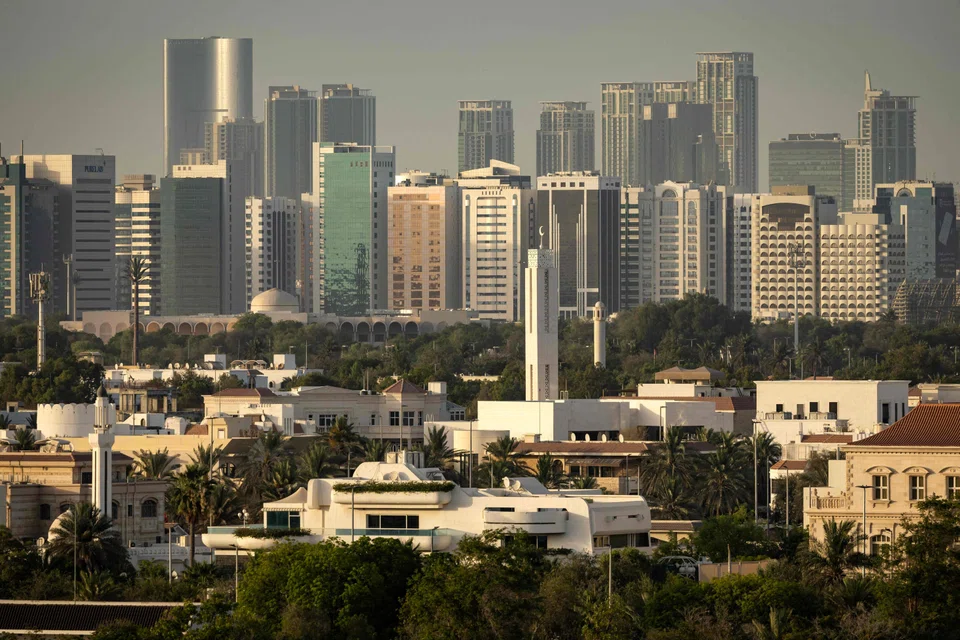
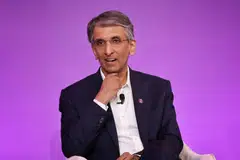
[ABU DHABI] Globalisation, as experienced over the past 30 years, “is gone” and will be replaced by “more and more plurilateralism”, said Dilhan Pillay, executive director and chief executive officer of Singapore investment company Temasek.
Plurilateralism refers to cooperation among a group of countries that choose to work together on specific issues – as opposed to multilateral agreements involving all members of the grouping – and without requiring participation from the entire international community.
Such arrangements have gained prominence in recent years as governments build alternative trade and investment links, in response to rising US protectionism and tariffs.
Singapore and the United Arab Emirates (UAE), for instance, have signed agreements to promote trade and investment, which could later expand into broader collaborations with other economies, Pillay noted.
“I believe that the future is the future of partnerships – no one can go (at it) alone,” he added, responding to a question on the fragmentation of geopolitics and globalisation.
Pillay was speaking at a panel discussion in Abu Dhabi on Tuesday (Dec 9), the second day of the four-day Abu Dhabi Finance Week. It was his second – and final – panel appearance at the event.
Joining him on the panel were Gabriel Lim, CEO of Singapore asset manager Seviora; and Mohamed Albadr, head of Asia at Abu Dhabi sovereign wealth fund Mubadala. The session was moderated by Zoe Liu, a senior fellow at the US-based Council on Foreign Relations.
Seviora, which manages about US$72 billion in assets, is wholly owned by Temasek. Lim, a former top civil servant, became its CEO in September after leading corporate strategy at Temasek. Seviora opened its first Middle East office in Abu Dhabi in March.
Building on Pillay’s point about plurilateralism, Lim cited the Future of Investment and Trade Partnership, or FIT-P, as a recent example.
Launched in September, FIT-P is an initiative involving 14 countries – including Singapore and Abu Dhabi – that supports open and fair trade, and provides an informal platform for cooperation between public- and private-sector partners.
“At the geopolitical level, we continue to work together to… bring together our respective regions into part of a much more interconnected plurilateralism setting,” Lim said.
He added that investors now have avenues to raise capital from the Middle East for “very exciting opportunities” in Asia, and “conversely, also to work with Temasek and other partners” to explore investments in the Middle East’s growth potential.
Responding to a separate question from Dr Liu on why Seviora chose to establish an office in Abu Dhabi, Lim said there were three reasons.
First, the UAE and Singapore share an “alignment of philosophies”, with both economies supporting open markets and free trade.
Second, both cities serve as “respective gateway hubs” – Singapore for South-east Asia and parts of Asia, and Abu Dhabi for the Middle East.
Third, both economies are “focused” on investing in the future, Lim said. “For us, Abu Dhabi was sort of a natural choice.”
Decoding Asia newsletter: your guide to navigating Asia in a new global order. Sign up here to get Decoding Asia newsletter. Delivered to your inbox. Free.
Copyright SPH Media. All rights reserved.






