Hong Kong planning tax cuts on bonus pay to lure top fund managers: sources
It currently taxes performance remuneration tied to investment returns at up to 17%
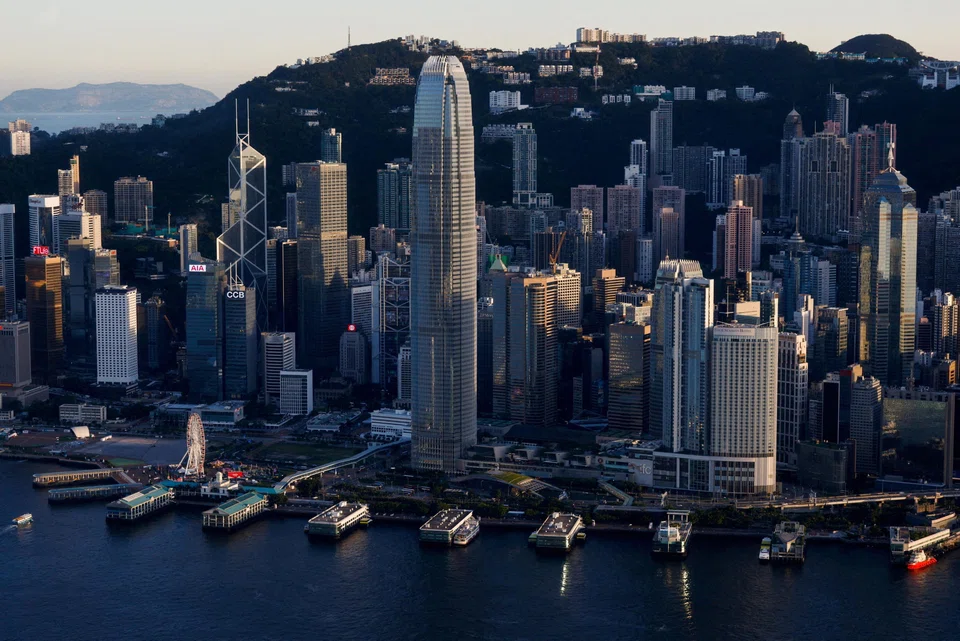
[HONG KONG] Hong Kong is considering waiving tax on fund managers’ performance bonuses in order to woo investment talent, say market participants and sources familiar with the plans.
The reforms would make Hong Kong the first major financial centre in Asia to introduce tax breaks for individuals on performance bonuses, called “carried interest”, and could draw top wealth managers and star investors to set up in the city.
“The industry has a lot of excitement over this,” said Eric Lam, an M&A tax services partner at Deloitte. “We are proactively talking to our clients on how to best prepare.”
Hong Kong now taxes performance bonuses tied to investment returns at up to 17 per cent, affecting how hedge funds make profits and reward their best portfolio managers, especially in good years.
Tax breaks could be highly lucrative
Market gains in 2025 saw a number of Asia fund managers pocket more than US$1 million in performance-linked bonuses, industry sources said, with top performers earning sums upwards of US$50 million, which would make a tax break highly lucrative.
The changes Hong Kong is considering would put it ahead of Singapore on tax certainty for carried interest and bring it closer to Dubai, where individuals are free of income tax, Lam said.
Deloitte has been involved in government consultations on the proposals and has recently held seminars with asset managers in Beijing, Shanghai and Hong Kong, he added.
The Hong Kong government is expected to submit the draft legislation to its Legislative Council lawmaking body as soon as June, Michael Wong Wai-lun, the city’s deputy financial secretary, told a conference this week.
The tax relief on carried interest could be backdated to Apr 1, 2025, said Lam and another source familiar with the policy. The source and other industry sources sought anonymity as they were not authorised to speak publicly.


A spokesperson for the Financial Services and Treasury Bureau (FSTB) told Reuters the tax plan aimed to “reinforce Hong Kong’s competitiveness as the premier asset and wealth management centre in the region”.
It would attract more funds and family offices to set up and operate there, the spokesperson added.
The city’s Inland Revenue Department did not respond to Reuters’ requests for comment.
Drawcard for star managers
Hong Kong has been seeking to lure financial professionals in all areas, including asset management, and has overtaken Switzerland as the world’s top cross-border wealth hub, in a ranking published this week by Boston Consulting Group.
The proposed tax exemption could benefit investment professionals employed by thousands of funds in Hong Kong, from portfolio managers and traders to analysts, and could prompt top investors at global firms to relocate.
“For star managers, the individual level treatment matters,” said Lee Kher Sheng, the Asia-Pacific co-head of the Alternative Investment Management Association. “Senior investment talent is highly mobile, so personal tax certainty can be a real factor in deciding where to base themselves and their teams.”
Certain conditions govern the definition of carried interest, however.
The FSTB said that only “genuine carried interest” would qualify under the proposal, while fixed pay and discretionary bonuses would remain taxable.
“There is a risk element,” Lam noted. “It has to be tied to the fund’s performance” as assessed by a method reflecting the volatility of the investment, he added. REUTERS
Decoding Asia newsletter: your guide to navigating Asia in a new global order. Sign up here to get Decoding Asia newsletter. Delivered to your inbox. Free.
Share with us your feedback on BT's products and services