

IMF says defence spending surge risks widening global deficits
Countries from Germany to France have lifted military expenditures in recent years
[BRUSSELS] Booms in defence spending pose a risk to economies in the medium term, as these expenditures are mainly financed through higher deficits, according to a report from the International Monetary Fund.
Defence buildups typically boost economic activity in the short term by lifting consumption and investment, but overtime they add to public debt, the IMF said in a report.
“More frequent conflicts and rising geopolitical tensions have also prompted many countries to reassess their security priorities and increase defence spending,” IMF researchers Hippolyte Balima, Andresa Lagerborg and Evgenia Weaver said in a blog post. “Others plan to do so. This situation presents policymakers with a crucial question about trade-offs involved.”
Countries from Germany to France have lifted military expenditures in recent years, confronted with the war in Ukraine and US President Donald Trump’s pressure to make Europe take greater responsibility for its own defence.
In the US, the Trump administration in its latest budget asked Congress for a significant boost in defence spending, after launching a military strike in Venezuela to capture then President Nicolas Maduro and starting a war against Iran.
Drawing on data from more than 160 countries since 1946, the IMF identified 215 cycles of increased spending in defence, saying many were concentrated in the 1970s and 1980s but that large booms have become more frequent.
The economists found that in a typical defence boom, which lasts more than two and a half years, about two-thirds of expenditures are financed through borrowing. But the cost is higher during wartime, they said.
“Wartime booms are especially costly, with public debt jumping by about 14 percentage points of GDP and social spending falling in real terms,” the IMF said in the report, which is part of the World Economic Outlook to be published next week. “Defence spending booms are front-loaded and financed primarily through higher deficits.”
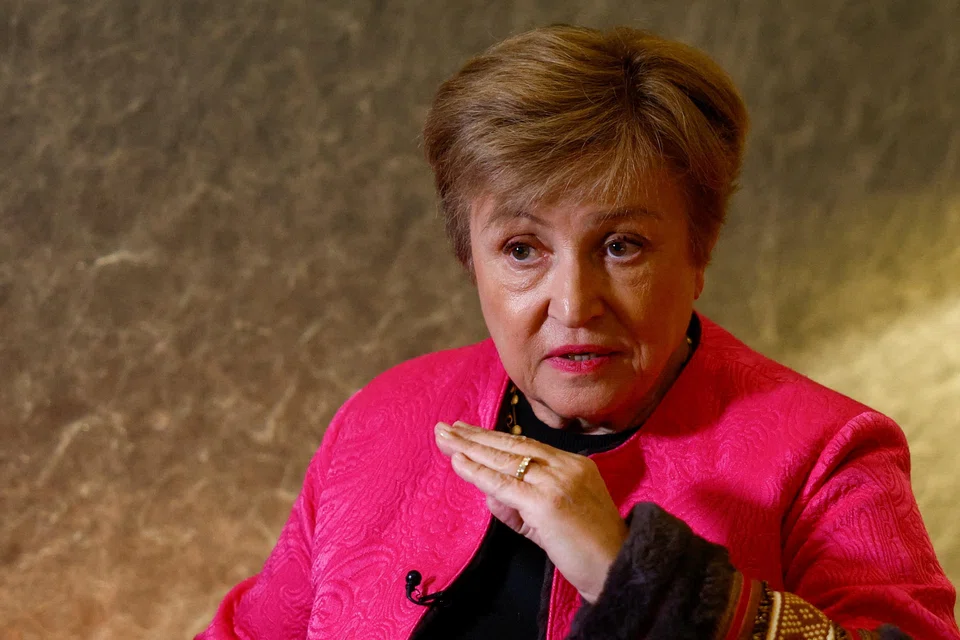
With the US and Iran agreeing to a two-week ceasefire, there’s still high uncertainty about the eventual outcome. IMF Managing Director Kristalina Georgieva said in an interview on Tuesday that the fund is poised to cut its forecasts for global growth due to the conflict in the Middle East.


Global debt has surged to a record US$348 trillion in 2025, according to the Institute of International Finance, with governments spending more in national security.
The IMF defines a defence spending boom as a period when the two-year moving average of a country’s military outlays increase by at least 1% of GDP.
Scaling up defence spending “typically translate almost one for one into higher economic output, rather than having a bigger multiplier effect on activity,” IMF economists wrote in the blog. BLOOMBERG
Decoding Asia newsletter: your guide to navigating Asia in a new global order. Sign up here to get Decoding Asia newsletter. Delivered to your inbox. Free.
Share with us your feedback on BT's products and services
TRENDING NOW

Once staunchly pro-China, Malaysian Chinese businesses are now distancing themselves from Beijing
New launch or resale unit? Here’s a guide for homebuyers
The lesser-known prospects in the Asian chipmaking supply chain

Cliff Tan has 7 million followers and a 4-month waitlist. Why won’t he expand his business?

