IMF warns of Asia’s vulnerability to war-induced energy shock
An acute hit to growth is possible if a prolonged conflict triggers supply shortages
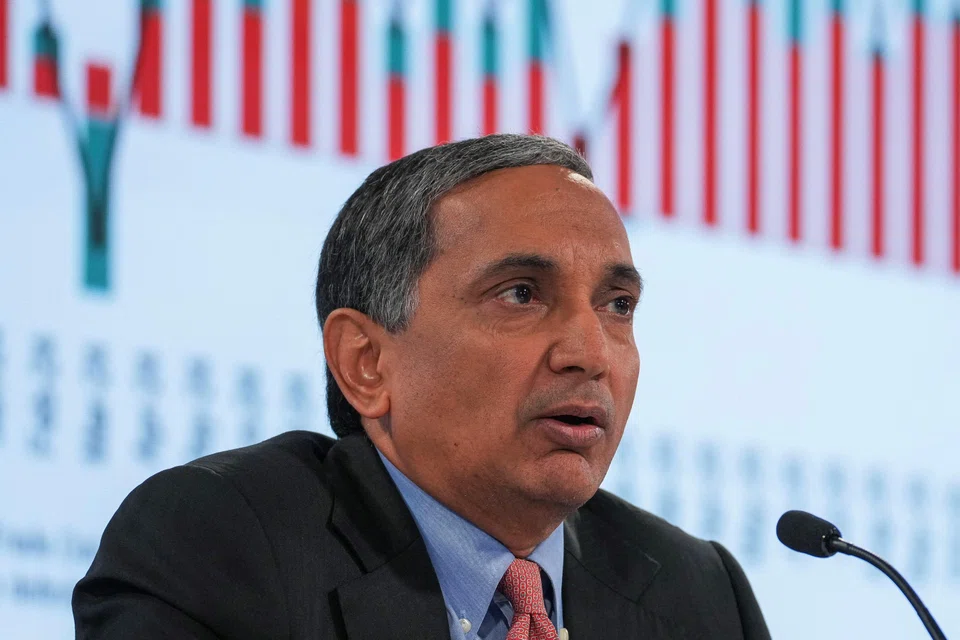
[WASHINGTON] Asia is more vulnerable to an energy shock than other regions because of its heavy reliance on Middle East fuel, an International Monetary Fund (IMF) executive said, warning of an acute hit to growth if a prolonged war triggers supply shortages.
Krishna Srinivasan, the director of the IMF’s Asia-Pacific department, said that the region’s economies entered 2026 on solid footing due to lower-than-expected US tariffs, a strong tech cycle that boosted exports and loose financial conditions.
Such tailwinds are somewhat offsetting headwinds from the energy shock caused by the Middle East conflict, keeping the IMF’s Asian growth forecasts broadly unchanged from January, he told Reuters on Wednesday (Apr 15).
He added that Asia’s highly energy-intensive economy and its huge reliance on Middle East fuel, however, will keep the region exposed to the fallout from the war.
The IMF said that the region’s use of oil and gas amounts to about 4 per cent of its gross domestic product, nearly double that of Europe. It added that given Asia’s limited production capacity, net oil and gas imports amount to about 2.5 per cent of its GDP.
“This is a shock, which is going to affect Asia more than other regions,” Srinivasan said. “What we’re going to see is higher inflation, weaker growth and weaker current account balances.”
Under the more benign “reference” scenario included in its World Economic Outlook – an IMF report containing analyses and forecasts for the global economy and individual nations – he noted that the organisation projected Asia’s growth to moderate from 5 per cent in 2025 to 4.4 per cent in 2026 and 4.2 per cent in 2027.
But its “adverse” or “severe” scenarios project growth in Asia to come down by one to two percentage points cumulatively till 2027, he said. “This is a shock which has a price impact and a quantity impact.”
The conflict, if prolonged, could trigger not just price rises, but also shortages in oil-related chemicals and the petrol used to produce various machinery and food, he added.
SEE ALSO




“If you have a price shock and shortages, that could lead to greater non-linearities, and so the growth impact would be that much more acute, especially if the shock is not transient.”
The IMF expects inflation in Asia to rise from 1.4 per cent in 2025 to 2.6 per cent in 2026, before easing to 2.4 per cent in 2027.
Asian central banks should look through the shock until the impact on the economy is more clear, Srinivasan noted.
However, he said the central banks should “be very careful and agile, so that if (they) see inflation expectations getting unanchored, (they) can start tightening”.
Given the limited fiscal buffers available after the region’s huge spending to combat the pandemic, Asian policymakers must ensure any fiscal support is timely and targeted to the people who need it the most, he said. REUTERS
Decoding Asia newsletter: your guide to navigating Asia in a new global order. Sign up here to get Decoding Asia newsletter. Delivered to your inbox. Free.
Share with us your feedback on BT's products and services