Iran vows 'devastating' response to US threat to cut off its economic lifelines
[DUBAI/WASHINGTON] Iran said on Friday (Aug 21) that its response to any new US threats would be “devastating” after Washington pledged to impose the toughest financial penalties in history with the aim of toppling the Iranian leadership.
Washington prepared for sanctions that US Treasury chief Scott Bessent said he would detail on Monday. President Donald Trump earlier warned of economic consequences against any country that provided “any type of lifeline to Iran.”
The chief of staff of Iran’s Armed Forces, Major General Ali Abdollahi, said the Islamic Republic’s reaction would be broad and decisive.
“With preparedness across land, sea, air, air defence and cyberspace, Iran’s armed forces will respond to the enemy’s new threats with crushing, punishing and devastating responses,” Abdollahi was quoted as saying by Iranian media.
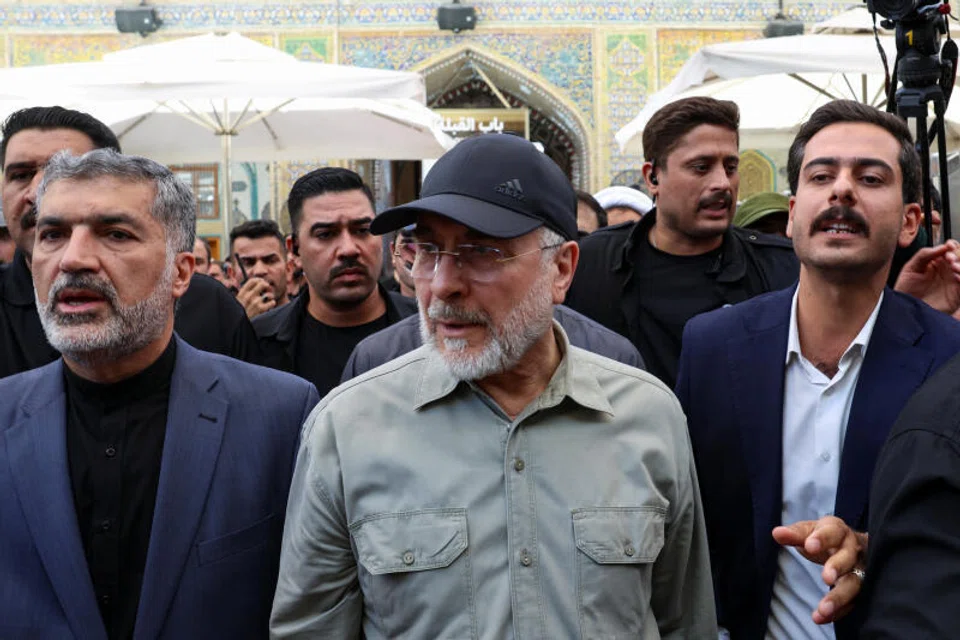
Iran’s Parliament Speaker, Mohammad Baqer Qalibaf, the country’s main negotiator in mediated talks with the United States, said Washington appeared to have concluded it could not prevail in its direct military confrontation.
“We must make plans to deal with the unjust sanctions so that we can overcome them,” he said in neighbouring Iraq, accusing the US and Israel of resorting to what he said was economic and “cognitive” warfare.
Oil prices edged lower on Friday but were on track for a second weekly rise after rising on Thursday following the new US sanctions threat.
“I’m not sure why oil has popped up on this,” Bessent told CNBC. “If we are doing the maximum economic pressure, then that means that likely there will not be a large-scale kinetic restart,” he said, using a term referring to military force.
Thousands of people have been killed in the war, which has drawn in Gulf nations and raised global fuel prices as Iran has attacked shipping through the Strait of Hormuz, which before February carried about a fifth of all traded oil.


Just seven commodity ships sailed along the Strait of Hormuz on Thursday, half the previous day’s tally, data from shiptracker Kpler showed, compared with more than 130 a day before the war.
The US and Iran have twice announced ceasefire deals, in April and June, aiming to restore the free flow of ships through Hormuz on a path towards ending the nearly six-month-old conflict, but both quickly crumbled.
Iran has weathered near-continuous economic sanctions for nearly 50 years, since the Islamic Revolution of 1979, but its people are suffering high inflation, a weakening currency and energy shortages along with damaged infrastructure.
Some Iranians interviewed by Reuters have said more economic punishment could increase hardship, weaken the clerical establishment and prompt unrest, although there has been no sign of that since a deadly crackdown on protests in January.
Iran’s foreign ministry said US sanctions would not “create even the slightest hesitation in Iranians’ determination to safeguard Iran’s independence, dignity and national sovereignty.” REUTERS
Decoding Asia newsletter: your guide to navigating Asia in a new global order. Sign up here to get Decoding Asia newsletter. Delivered to your inbox. Free.
Share with us your feedback on BT's products and services