

Japan considering steps to cushion economy from Iran conflict, PM Takaichi says
“We’re considering steps to avoid gasoline prices from rising to levels intolerable for the public,” says Takaichi
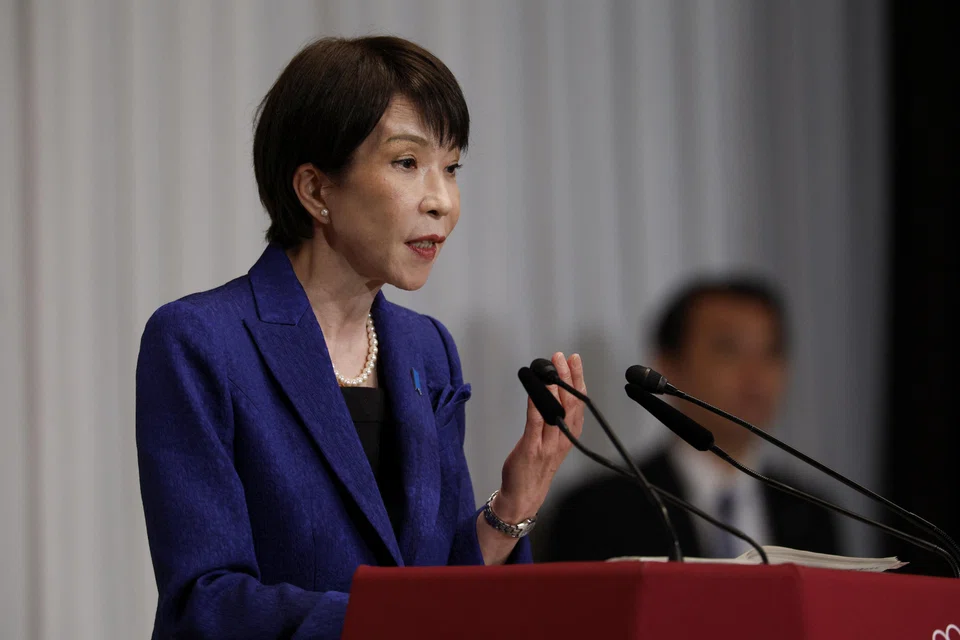
[TOKYO] Japan will consider steps to cushion the economic blow from rising fuel costs caused by the conflict in the Middle East including curbing gasoline prices, Prime Minister Sanae Takaichi said on Monday (Mar 9).
Her remark underscored the government’s concern over growing signs that the conflict could persist and hurt an economy that is vulnerable to swings in fuel costs due to its heavy reliance on imports.
“Many people are worried about rising gasoline prices,” Takaichi told Parliament. “Taking this into account, the government has been considering since last week what steps it can take.”
“We’re considering steps to avoid gasoline prices from rising to levels intolerable for the public,” she said, adding that such measures could be funded by tapping reserves set aside for emergency government spending.
Takaichi ruled out overhauling the government’s draft fiscal 2026 budget, which is now being deliberated in Parliament, or compiling a stop-gap budget to fund the measures.
Oil prices surged more than 25 per cent on Monday to their highest levels since mid-2022 as fears of prolonged shipping disruptions gripped the market due to the expanding US-Israeli war on Iran.
The fresh supply shock follows last year’s spike in rice prices and other food items that had only just begun to recede, helping real wages climb in January for the first time in 13 months.
Real wages could continue to rise in February and March, but might slump in the fiscal year beginning in April if crude oil prices stay above US$100 per barrel for a prolonged period, said Yoshiki Shinke, chief economist at Dai-ichi Life Research Institute.
“The spike in crude oil prices will likely curb growth in real wages through price rises” and cloud the outlook for Japan’s economic recovery, Shinke said.

Yoshinobu Tsutsui, chairman of business lobby Keidanren, on Monday said Japan could face an increasing risk of stagflation – where a slump in growth co-exists with higher inflation – if the Middle East conflict persists.
Japan’s economy has sustained a moderate recovery with exports weathering the hit from US President Donald Trump’s tariffs and steady wage gains underpinning consumption.
An index measuring service-sector sentiment improved in February, a government survey showed on Monday. But a separate private survey showed bankruptcy cases hit 851 in February, rising 11.3 per cent from a year earlier, with many firms citing rising raw material costs and labour shortages.
The Middle East conflict will complicate the Bank of Japan’s decision on how soon to raise interest rates by hurting growth while adding to inflationary pressures.
Sources have told Reuters the conflict has heightened the chance the BOJ will refrain from raising rates in March. The central bank will have more data, such as its quarterly “tankan” business survey on April 1 and its regional branch managers’ meeting on April 14, to consider at a subsequent policy meeting on April 27 and 28. REUTERS
Decoding Asia newsletter: your guide to navigating Asia in a new global order. Sign up here to get Decoding Asia newsletter. Delivered to your inbox. Free.
Share with us your feedback on BT's products and services
TRENDING NOW

Two Singapore-listed palm oil firms named in Greenpeace report on Indonesian plantation fires
Singapore Airlines flight returns to San Francisco after ‘unruly’ passenger incident

Singapore looking into which companies responsible for haze-causing fires: PM Wong
Deluge IPO 3.86 times subscribed ahead of SGX debut

