Japan finance minister vows close G7 coordination as market volatility persists
Analysts say the sell-off in JGBs reflects growing unease over the country’s rising fiscal spending
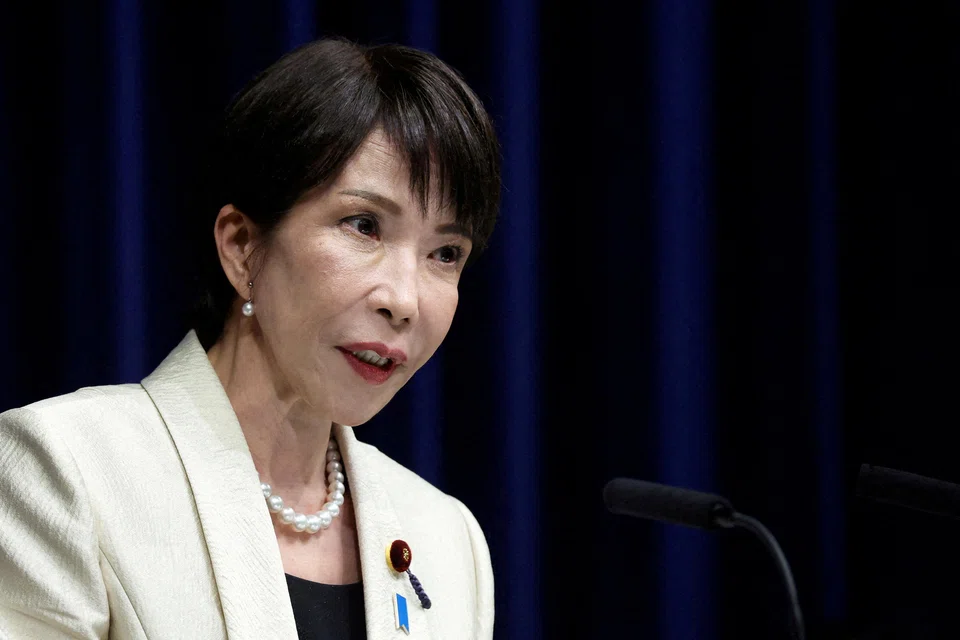
[TOKYO] Japanese Finance Minister Satsuki Katayama said on Tuesday (Apr 7) that the government would stay in close contact with fellow Group of Seven (G7) countries, as uncertainty over the Middle East war has fuelled worries about the nation’s expansionary fiscal policies.
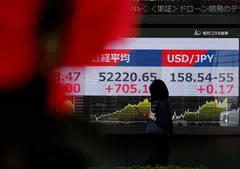
Japan’s government bond (JGB) yield curve has steepened in the second week of April, with the 10-year JGB yield climbing to a 27-year high of 2.43 per cent.
The yen loitered near the psychologically important mark of 160 yen (S$1.29) per US dollar, a level analysts warn could trigger government intervention.
G7 finance ministers and central bankers on Mar 30 “shared views that developments in the Middle East and sharp fluctuations in oil prices are having a broad impact on markets”, Katayama said at a regular press conference, when asked about surging JGB yields.
“Our stance has been that we will continue to stay in close contact (with G7 counterparts) and ensure that we clearly communicate our message,” she added.
Analysts say the sell-off in JGBs reflects growing unease over Japan’s rising fiscal spending to cushion energy costs, a strain made worse by the yen’s slide.
Japan’s parliament is set to pass on Tuesday a record general-account Budget of 122.3 trillion yen for the fiscal year that began in April, after a snap election in January delayed deliberations and forced the government to rely briefly on a stopgap measure.
With the country’s heavy reliance on imports making its economy vulnerable to surging fuel costs, the government may soon face pressure to compile an extra Budget to ramp up stimulus.
The immediate headache is in maintaining the funding of fuel subsidies designed to keep petrol at around 170 yen a litre.


Launched on Mar 19, the programme was estimated at 300 billion yen a month. That bill has since grown to 500 billion to 600 billion yen, as a drawn-out war in Iran drives oil prices higher.
The government is tapping 800 billion yen in reserve funds to finance the subsidies.
Even with the passage of Tuesday’s Budget unlocking another one trillion yen, keeping the programme running at its current pace would exhaust those reserves within months.
A government official told Reuters privately: “Unless the way the subsidies are structured is changed, compiling a supplementary Budget will sooner or later become necessary.”
Prime Minister Sanae Takaichi told parliament on Tuesday she had no immediate plans to ask households and businesses to cut energy use in ways that would hurt economic activity, despite supply concerns triggered by the war in Iran. REUTERS
Decoding Asia newsletter: your guide to navigating Asia in a new global order. Sign up here to get Decoding Asia newsletter. Delivered to your inbox. Free.
Share with us your feedback on BT's products and services