Japan PM sees no need for now to compile extra budget
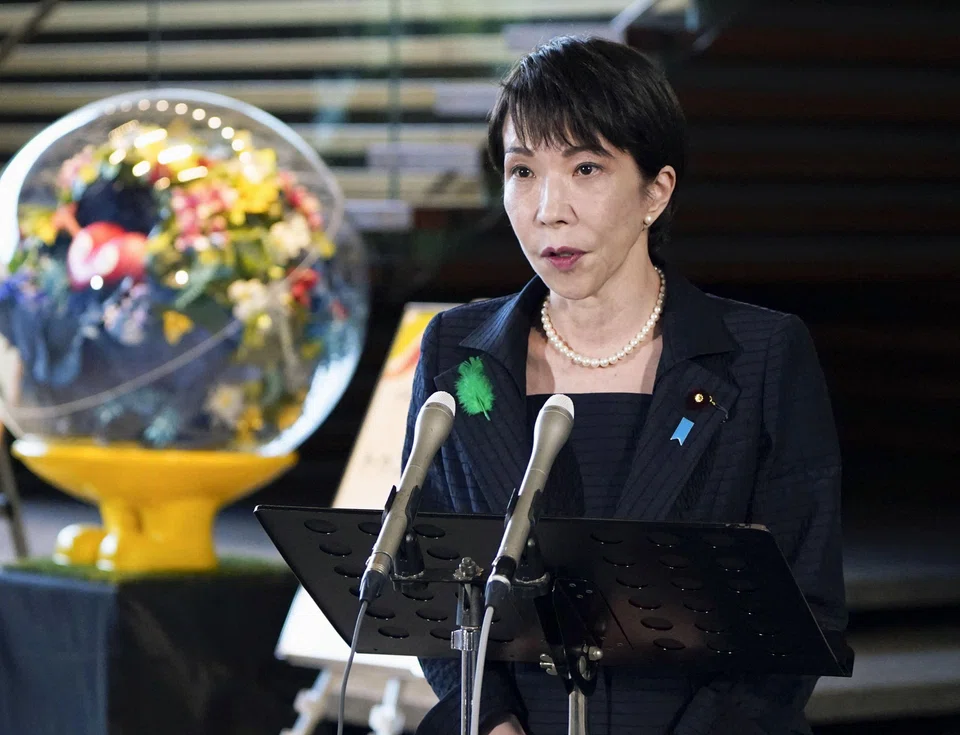
[TOKYO] Japanese said on Monday she did not see an immediate need to compile a supplementary budget, but pledged to respond “flexibly” depending on the degree of economic damage from the Middle East conflict.
The remark follows growing calls from ruling and opposition lawmakers for the government to draw up a fresh package of measures to cushion the blow from surging oil prices and supply disruptions caused by the Iran war.
“At present, I don’t see the need to compile a supplementary budget,” Takaichi told parliament, adding the government still had sufficient funds set aside to pay for fuel subsidies.
“But developments in the Middle East are hard to foresee. We’ll be vigilant to the impact on Japan’s economy and take necessary action flexibly,” she said.
Takaichi also said the government should not take steps to curb economic activity, despite concern that Japan may face shortages in crude oil and oil-related products due to the effective closure of the Strait of Hormuz.
Japan has curbed petrol prices through subsidies and has not introduced steps to preserve fuel, reflecting Takaichi’s focus on underpinning a fragile economic recovery.
The government currently taps roughly 2 trillion yen (S$16 billion) worth of funds set aside to pay for the subsidies. But analysts warn the government might run out of money around July if the conflict persists and it does not have an extra budget.
Japan has compiled supplementary budgets in recent years on top of record spending in annual budgets to cope with economic headwinds including the Covid-19 pandemic and rising import costs from the Ukraine war.
While an advocate of loose fiscal policy, Takaichi has promised to stop compiling additional budgets and instead include all necessary spending in the annual budgets.

Surging oil costs from the Middle East war have complicated Japanese policymakers’ efforts to underpin the economy while keeping inflationary pressures in check.
Japan’s heavy reliance on oil imports from the Middle East makes its economy vulnerable to the hit from surging oil costs and the blockage of the Strait of Hormuz.
But higher oil prices add to mounting inflationary pressures from the weak yen and steady wage gains, complicating Bank of Japan interest rate decisions.
The BOJ is set to keep interest rates steady on Tuesday but signal its readiness for an increase as soon as June, as the energy shock puts policymakers on guard against inflation risks.
Japan’s record budget spending for the current fiscal year is a core part of Takaichi’s “proactive” fiscal policy that may underpin consumption, but could accelerate inflation and further strain Japan’s tattered finances, analysts say. REUTERS
Decoding Asia newsletter: your guide to navigating Asia in a new global order. Sign up here to get Decoding Asia newsletter. Delivered to your inbox. Free.
Share with us your feedback on BT's products and services