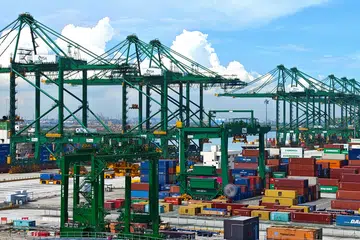
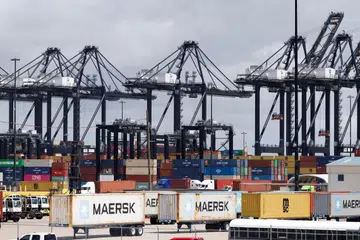
Japan to provide US$10 billion to South-east Asia to aid with surging oil prices
Supply-chain disruptions in Asia will have a significant impact on its economy
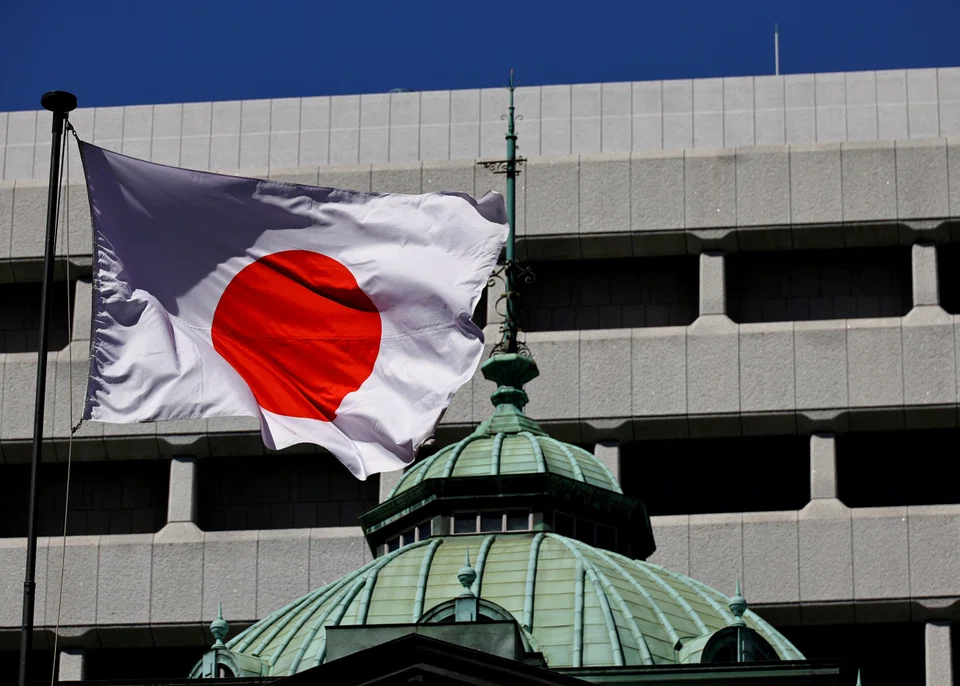
[TOKYO] Japan will provide US$10 billion in financial support to nations in South-east Asia, to help them cope with soaring crude oil prices due to the war in the Middle East.
Japanese Prime Minister Sanae Takaichi announced the aid after the nation held a virtual meeting with regional leaders on Wednesday (Apr 15).
She said in a news briefing that the country relied on Asian nations to secure medical supplies such as surgical gloves.
“Japan is closely linked to other Asian countries through supply chains and other means,” she added.
“Fuel shortages and supply-chain disruptions in Asia would hinder the procurement of these medical supplies from Asia to Japan, which would have a significant negative impact on Japan’s economy and society.”
In his remarks at the summit, Singapore Prime Minister Lawrence Wong said that Asia was particularly exposed to the energy disruptions, given its heavy reliance on imported energy.
He noted that no country could secure its energy needs on its own, and that resilience had to be built collectively.
“That is why Singapore values the mutual support and assurance from trusted partners, including Australia, Japan, and all our partners in Asean,” he said.
“We welcome the assistance package that has been launched by Prime Minister Takaichi today. It will provide timely and practical support for Asian countries to strengthen their energy supply chains.

“At the same time, we must look beyond the immediate crisis to prepare for future shocks.”
PM Wong added that Singapore supports the upgrade of the Asia Zero Emission Community (Azec) to Azec 2.0, with a stronger focus on strengthening economic and energy resilience in the region.
South-east Asian nations, including Vietnam, have previously sought help from Japan and South Korea for crude oil supplies.
Japan has tapped its strategic reserves in two tranches since the Iran war began in late February, and said that its stockpiles are meant for domestic refiners and not for foreign nations.
The nation itself is not facing an immediate oil shortage.
Its trade ministry said that the country can secure sufficient crude supply for 2026 by tapping sourcing alternatives to the Strait of Hormuz, where transit remains constrained, and by drawing on its substantial oil reserves. BLOOMBERG
Decoding Asia newsletter: your guide to navigating Asia in a new global order. Sign up here to get Decoding Asia newsletter. Delivered to your inbox. Free.
Share with us your feedback on BT's products and services