

Japan’s core inflation hits 4-year low, rebound eyed on energy shock
The war has complicated the BOJ’s rate-hike plan by adding to inflationary pressure
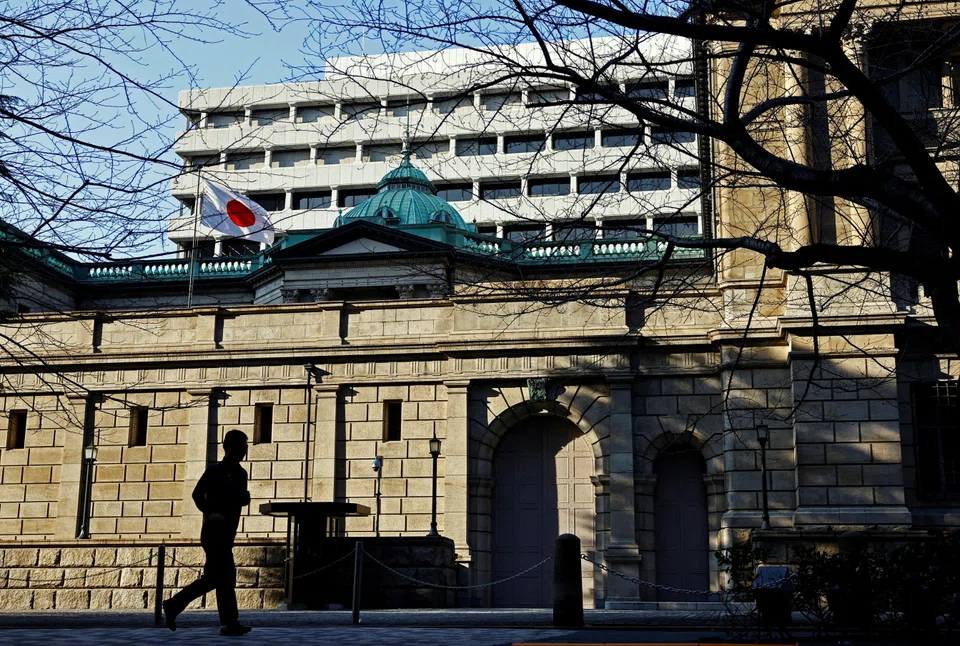
[TOKYO] Japan’s annual core inflation slowed to a four-year low in April due to the effect of subsidies on fuel and education, data showed on Friday (May 22), though analysts expect surging fuel costs from the Middle East war to accelerate price growth in coming months.
While government measures are offsetting some of the price pressure from the energy shock, Bank of Japan (BOJ) policymakers are dropping hawkish comments signalling the chance of an interest rate hike in June as they focus on broadening inflation risks.
Japan’s core consumer price index, which strips away the effect of volatile fresh food costs, rose 1.4 per cent in April from a year earlier, much slower than a 1.8 per cent rise in March and falling short of the median market forecast for a 1.7 per cent gain.
The increase was the slowest since March 2022, with a 10.6 per cent drop in education fees weighing on service-sector inflation and offsetting steady increases in a range of other items, including food, the data showed.
A separate index excluding the effect of volatile fresh food and fuel, which is closely watched by the BOJ as a better gauge of demand-driven price moves, rose 1.9 per cent in April from a year earlier after a 2.4 per cent gain in March.
“Although inflationary pressures eased in April, they will pick up again before long. Accordingly, we still think the Bank of Japan is likely to resume its tightening cycle sooner rather than later,” said Abhijit Surya, senior Apac economist at Capital Economics.
The data is among the factors the BOJ will scrutinise at next month’s policy meeting, where the board is widely expected to raise its short-term policy rate to 1 per cent from 0.75 per cent.
Markets have been rattled after the Iran war effectively shut the Strait of Hormuz, a chokepoint for about a fifth of global oil and gas flows, driving up crude oil prices and the safe-haven US dollar against the yen.
The war has complicated the BOJ’s rate-hike plan by adding to inflationary pressure, while weighing on an economy heavily reliant on fuel imports from the Middle East.
SEE ALSO



Wholesale inflation, a leading indicator of consumer prices, accelerated in April at the fastest pace in three years as the Iran war boosted oil and chemical goods prices, bolstering the case for a near-term rate hike.
BOJ board member Junko Koeda said on Thursday that she was scrutinising the speed and magnitude of the pass-through from wholesale to consumer inflation, in gauging the pace and timing of future rate hikes.
“I believe it’s reasonable to raise the policy interest rate at an appropriate pace to address high inflation while also considering the trade-offs for the economy,” Koeda said, warning that the energy shock could push underlying inflation above the central bank’s 2 per cent target.
BOJ governor Kazuo Ueda is likely to deliver a speech on Jun 3, which will be scrutinised for any hints on whether the central bank would indeed hike rates at the Jun 15 to 16 policy meeting. REUTERS
Decoding Asia newsletter: your guide to navigating Asia in a new global order. Sign up here to get Decoding Asia newsletter. Delivered to your inbox. Free.
Share with us your feedback on BT's products and services






