Japan’s households continue to cut spending despite wage gains
Household expenditure adjusted for inflation dropped 3.3% in June, compared to a year earlier
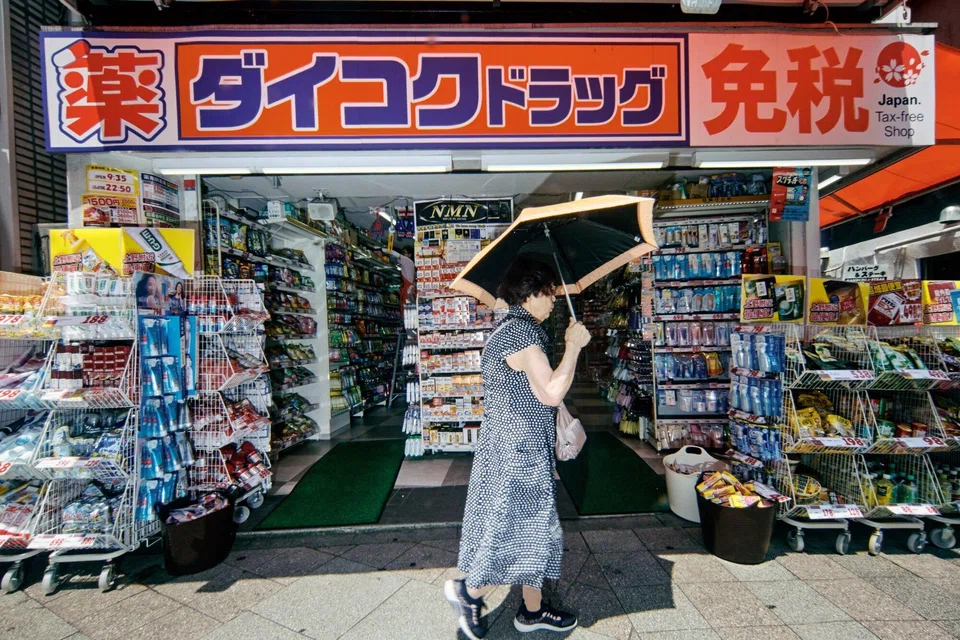
JAPAN’S household spending unexpectedly fell for a seventh month even as real wages continued to increase, showing the impact of persistent inflation on consumer sentiment.
Outlays by households adjusted for inflation dropped 3.3 per cent in June from a year earlier, the Ministry of Internal Affairs and Communications reported on Friday (Aug 7). Economists had forecast a 0.9 per cent increase. Compared with May, spending declined 6.4 per cent on a seasonally adjusted basis.
The fall was led by declines in spending on food, utilities, transportation and communications and apparel. Outlays for education rose along with spending on home maintenance.
The fall in consumption clouds prospects for domestic demand-led growth even as government subsidies have capped utility costs and inflation-adjusted wages have advanced every month this year. While consumer confidence rose in June, the index remained well below its 10-year and 20-year averages.
The government is scheduled to report its preliminary results for second-quarter gross domestic product on Aug 17.
Last week, Bank of Japan Governor Kazuo Ueda emphasised that he sees greater upside risks to the price outlook, and that any upside price surprises would become more costly as the inflation trend is now getting very close to the 2 per cent target the bank adopted more than 13 years ago.
Prime Minister Sanae Takaichi has deployed an array of subsidies to soften the blow from inflation, including aid to lower utility fees and cap petrol prices.
The prime minister also will cut the sales tax on food to 1 per cent from the current 8 per cent to further help households with inflation. The reduction is expected to start in April 2027 and remain in effect for two years before tax rate returns to the original level.
Japan’s major food and beverage companies have been raising prices on their products in the face of rising input costs owing to the weak yen and a labour shortage. Teikoku Databank reported that firms planned price increases for 2,566 products in July, up nearly 22 per cent from a year earlier.
SEE ALSO




Real wages have risen every month this year, with a 1.6 per cent gain in June. Takaichi has cited real wages and a decline in consumer inflation as signs that the administration’s price relief measures have been working. BLOOMBERG
Decoding Asia newsletter: your guide to navigating Asia in a new global order. Sign up here to get Decoding Asia newsletter. Delivered to your inbox. Free.
Share with us your feedback on BT's products and services