Japan’s wholesale inflation cools, but oil shock from Iran war threatens rebound
Swings in oil and other commodities will push up domestic inflation
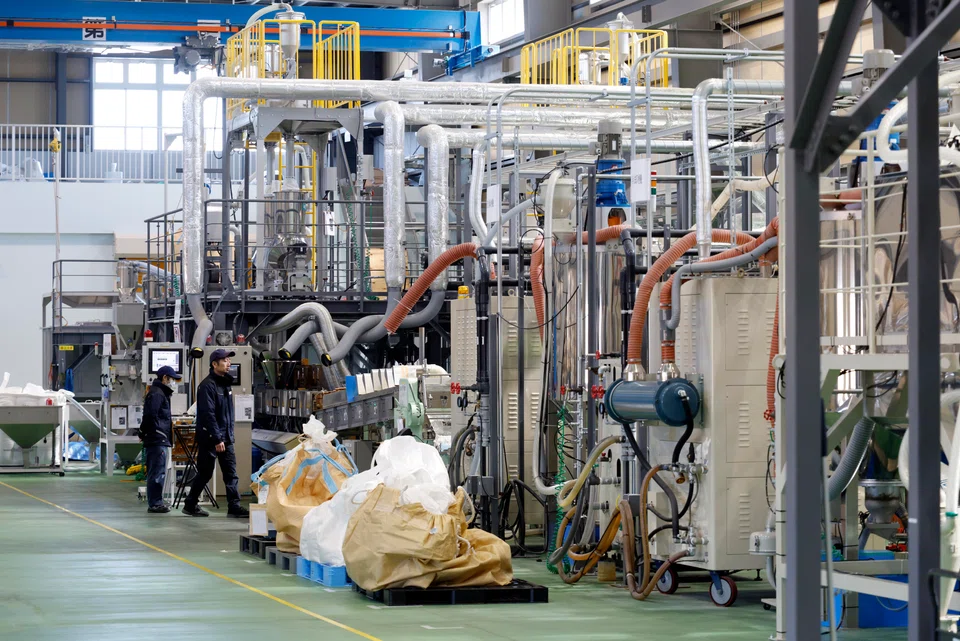
[TOKYO] Japan’s wholesale inflation cooled for a third month in February as government fuel subsidies blunted rising commodity costs, but analysts warn the respite may be brief, with the oil spike from the Middle East conflict poised to reignite price pressures.
The data highlight the dilemma the Bank of Japan faces in timing its next interest rate hike, as the rising cost of oil stokes stagflation risks.
The corporate goods price index (CGPI), which measures the price companies charge each other for their goods and services, rose 2 per cent in February from a year earlier, data showed on Wednesday, slowing from a 2.3 per cent increase in January. It compared with a median market forecast for a 2.1 per cent increase.
The figures pre-date the fallout from the US-Israel strike on Iran that began on Feb 28, but they already captured a jump in nonferrous metal prices driven by escalating geopolitical risks, a Bank of Japan official told a briefing.
The yen-based import price index rose 2.8 per cent in February from a year earlier, accelerating from a revised 0.7 per cent gain in January and hitting the highest level since July 2024, suggesting the currency’s weakness will keep import costs elevated.
Oil prices, which have surged sharply over recent sessions, plunged by more than 11 per cent on Tuesday, after US President Donald Trump predicted a swift end to the war with Iran that has choked crude flows.
Wild swings in oil and other commodities will hit companies and push up domestic inflation with a lag, analysts say.
“Wholesale inflation is likely to re-accelerate as surging crude oil prices from the Middle East conflict push up fuel costs,” said Masato Koike, a senior economist at Sompo Institute Plus, adding the weak yen will also lift import prices.
“But this is typical cost-push inflation. At least in the short run, it could serve as a hurdle for additional rate hikes by the BOJ, which focuses more on trend inflation,” he said.
SEE ALSO





The BOJ ended a decade-long, massive stimulus in 2024 and raised interest rates several times including in December, when it pushed borrowing costs to a 30-year high of 0.75 per cent.
The central bank has signalled its readiness to keep raising rates if Japan makes progress in durably achieving its 2 per cent inflation target, backed by solid demand and wage gains. REUTERS
Decoding Asia newsletter: your guide to navigating Asia in a new global order. Sign up here to get Decoding Asia newsletter. Delivered to your inbox. Free.
Share with us your feedback on BT's products and services