‘Mild recession’ for UK still a possibility in 2023, but there are enough reasons to be optimistic
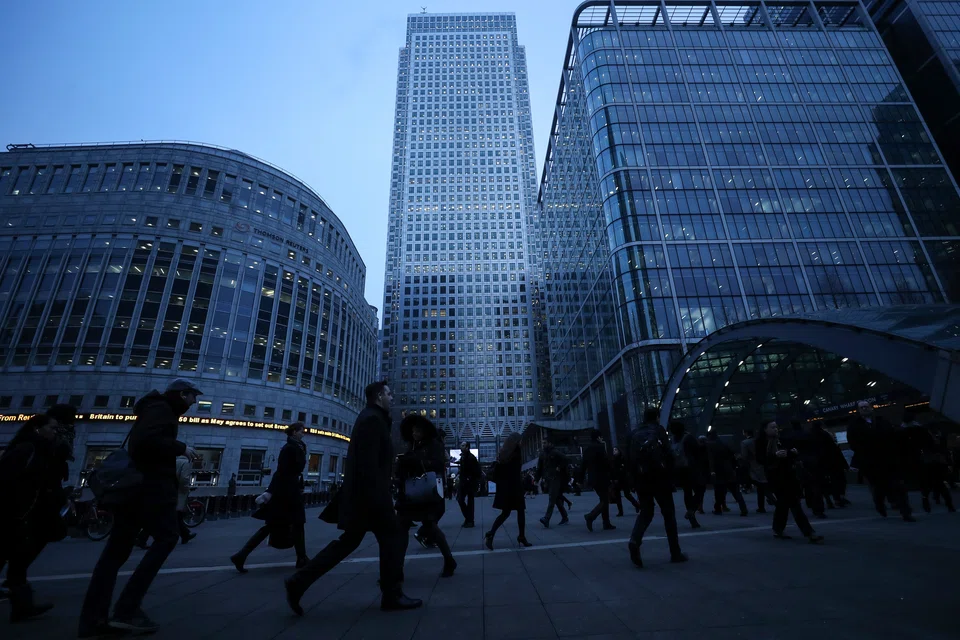
[LONDON] The economic data coming from Britain does not make for pretty reading these days. Inflation stayed in the double digits in March due to higher food prices, and the International Monetary Fund (IMF) last week said it expects the UK economy to shrink by 0.3 per cent this year.
Still, some analysts say there is reason to be optimistic, even if only slightly. The economy did manage to avoid falling into a recession in the first quarter. The pound, which plunged against the US dollar in late September 2022 during former prime minister Liz Truss’ brief but disastrous spell in office, has since bounced back to about US$1.24 – close to a 10-month high.
In the past seven months or so, the FTSE 100 index of multinational companies has risen by 18 per cent, while the FTSE 250 equity index of mainly mid-sized local corporations has risen by 16 per cent.
The question is whether investors, both local and foreign, will start taking profits on fears that the UK will remain a “high inflation, low growth” economy.
Even if Prime Minister Rishi Sunak’s lives up to his promise that inflation will be halved from the current 10.1 per cent to around 5 per cent by the end of the year, that rate of price increase will still erode the long-term value of the pound.
Last year, the UK economy grew by 4.1 per cent, but things look bleaker in 2023. The UK, along with Germany, are the only two G7 nations that are forecast to contract this year, said the IMF. Gross domestic product per capita in the UK, which is currently around £32,900 (S$54,556), is virtually the same level as in 2017.
While the IMF noted that the UK’s growth exceeded expectations in the first three months of this year, it has faced greater headwinds than other major economies due to higher interest rates, a greater exposure to volatile gas prices, a tight labour market and the ongoing impact of Brexit.
British Chancellor of the Exchequer Jeremy Hunt recently tried to temper the pessimism, reiterating the fact that Britain is not in a recession and that the government expects to see faster growth and falling inflation in the coming months.
The measures in the March Budget to help businesses recruit more staff and to increase investment, and an increase in childcare funding, should stimulate growth, Hunt added.
Kay Daniel Neufeld, the head of forecasting at the Centre for Economics and Business Research, said that despite the more positive mood, “we still think a mild recession is a distinct possibility in the first half of the year”.
He is concerned about stubbornly high inflation, the banking crisis in the US and Europe, financial instability and a sharp contraction in manufacturing and other key sectors. The war in Ukraine is also contributing to the uncertainty, he said.
Simon French, the chief economist and head of research at investment bank Panmure Gordon, noted that the UK Office for Budget Responsibility, the British Chambers of Commerce, the IMF and the Organisation for Economic Co-operation and Development have all upgraded their 2023 growth forecasts for the UK economy.
“A recession may result from higher interest rates or the fallout from recent strike actions, but when it comes to energy costs, the worst for the UK is now in the rear-view mirror,” he said.
Tom Hopkins, a portfolio manager at BRI Wealth Management, was quoted in a Reuters report on Thursday (Apr 20) as saying that the UK economy is “not out of the woods” yet.
“That said, if economic data continues to come in less negative than expected, it could help stir a revival in business and consumer confidence,” he said.
Economists said the next stage of recovery will be harder as persistently high inflation may well encourage the Bank of England to raise interest rates from the current 4.25 per cent to 4.5 per cent.