

‘One of the worst accidents I could imagine’: Ex-Dyson chief Roland Krueger on polar exploration, crisis management and leadership
The German, who has held roles at BMW and Infiniti, pioneered a new skiing route in Antarctica in 2025

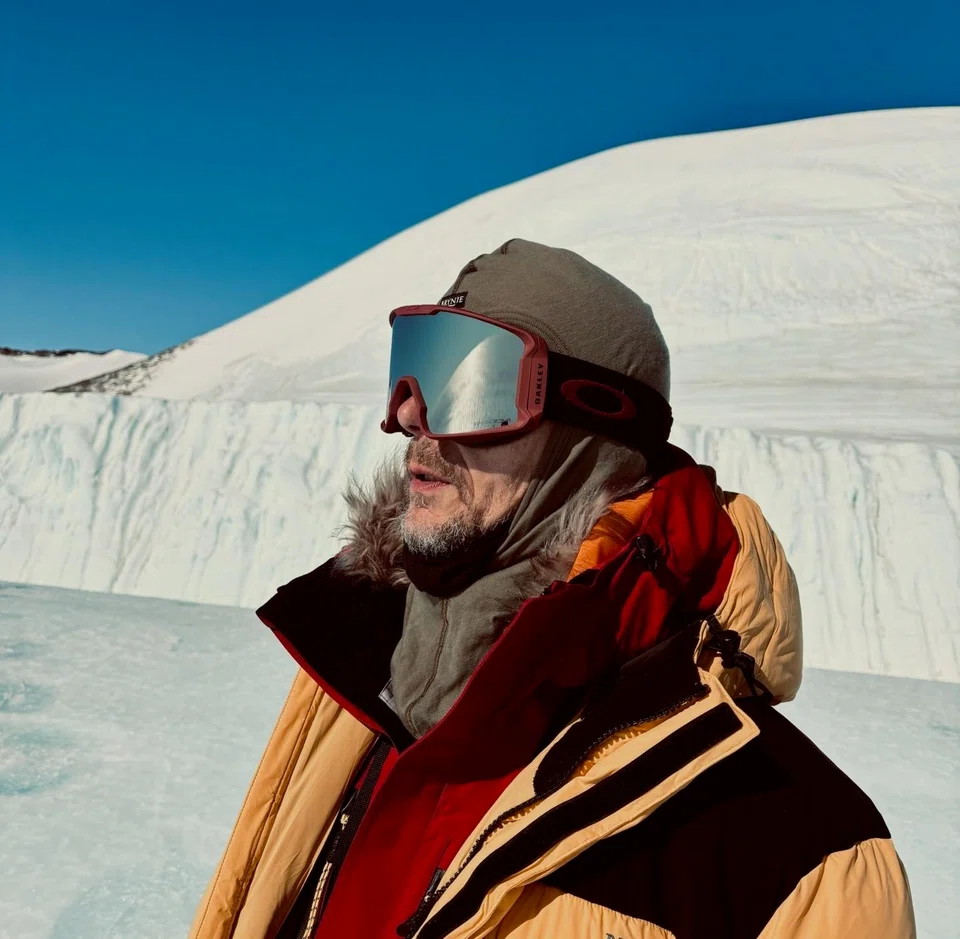
[SINGAPORE] Roland Krueger does not have a specific leadership style, but the senior executive says that the key to leading a company successfully is preparation – and lots of it.
The automotive and technology sector leader’s approach is simple and solid rather than spectacular, but that he is alive and speaking to us is proof enough that it works.
In November 2012, he made an attempt to ski to the South Pole solo and without any external support. He was setting up shelter in a storm when the wind caused a tent pole to snap, creating a tear in the tent.
In the middle of an increasingly violent Antarctic and hundreds of kilometres from the nearest help, it was a life-and-death situation or as he says, “one of the worst accidents I could imagine”.
He fished a new pole out of his packed sled and made a temporary fix to the tent, something the extreme cold and high wind made difficult.
“When I checked my watch, I got a shock because what would have taken minutes actually took more than an hour,” he says.
“A polar expedition brings any participant to their personal, physical and mental limits… When you realise those limits to the extreme, that gives you significant self-assurance and inner strength.”
Roland Krueger
Drive to go far
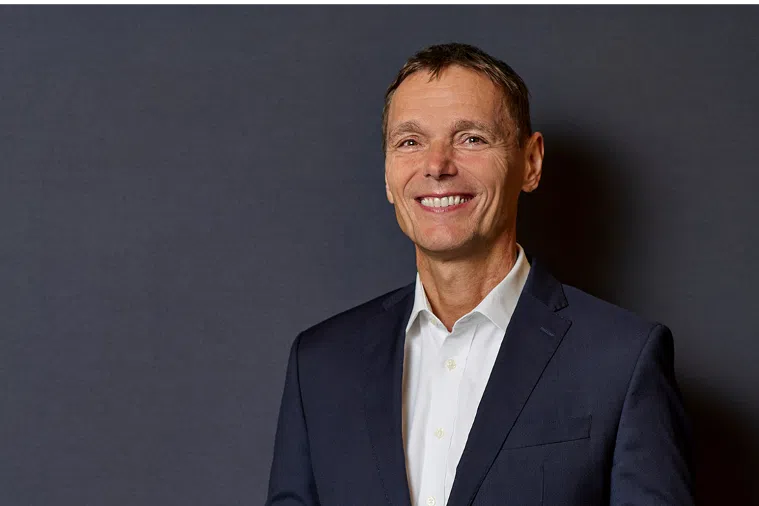
It was meticulous preparation that kept him alive, as he had practised for just such a situation by packing his sled blindfolded.
“If you get your preparation done, you can achieve the impossible. You need that foundation as key to be successful as it gives you the confidence you are better prepared than anyone else.”
Good preparation, he adds, helps give you the mind space to deal with problems as they arise.
A long-time automotive executive, he began his career as a car designer at Mitsubishi, later transitioning to sales and marketing, and then taking on senior managerial roles at BMW before landing in Nissan’s luxury arm, Infiniti, as its CEO.
His most recent full-time role was CEO of Dyson from 2020 to 2024, during which he oversaw the company’s move from London to its current global headquarters in Singapore.
The 60-year-old German holds a number of board and advisory positions. He is on the board of Weybourne Holdings (Dyson’s parent company), Puma and the Singapore Economic Development Board; he is also a corporate adviser to Temasek.
But since 2002, he has had an extensive second “career” as a polar explorer and is now a veteran in that field.
In this challenging sport, participants contend with minus 60 deg C temperatures, violent storms and navigating totally blind in whiteout conditions.
There is also the terrain, with inclines, snow dunes and crevasses, which are deep cracks in the ice that can be as tall as a 10-storey flat.
Because you can eat only what you carry, participants operate on a calorie deficit on these trips. They gain up to 20 kg beforehand, then lose it all, and more, by the end.
But the challenge is what makes it a prime journey of self-discovery.
“A polar expedition brings any participant to their personal, physical and mental limits… When you realise those limits to the extreme, that gives you significant self-assurance and inner strength,” he says, adding that polar explorers he knows are capable of dealing with crises with “clarity and ease”.
His 2012 to 2013 solo expedition was a success after fixing the tent; he skied more than 1,000 km, hauling a 130 kg sled for 50 days.
Last November, he and Norwegian explorer Lars Ebbesen were the first to ski a new route to the Queen Maud Mountains in Antarctica, covering 275 km over 18 days.
Ice dream
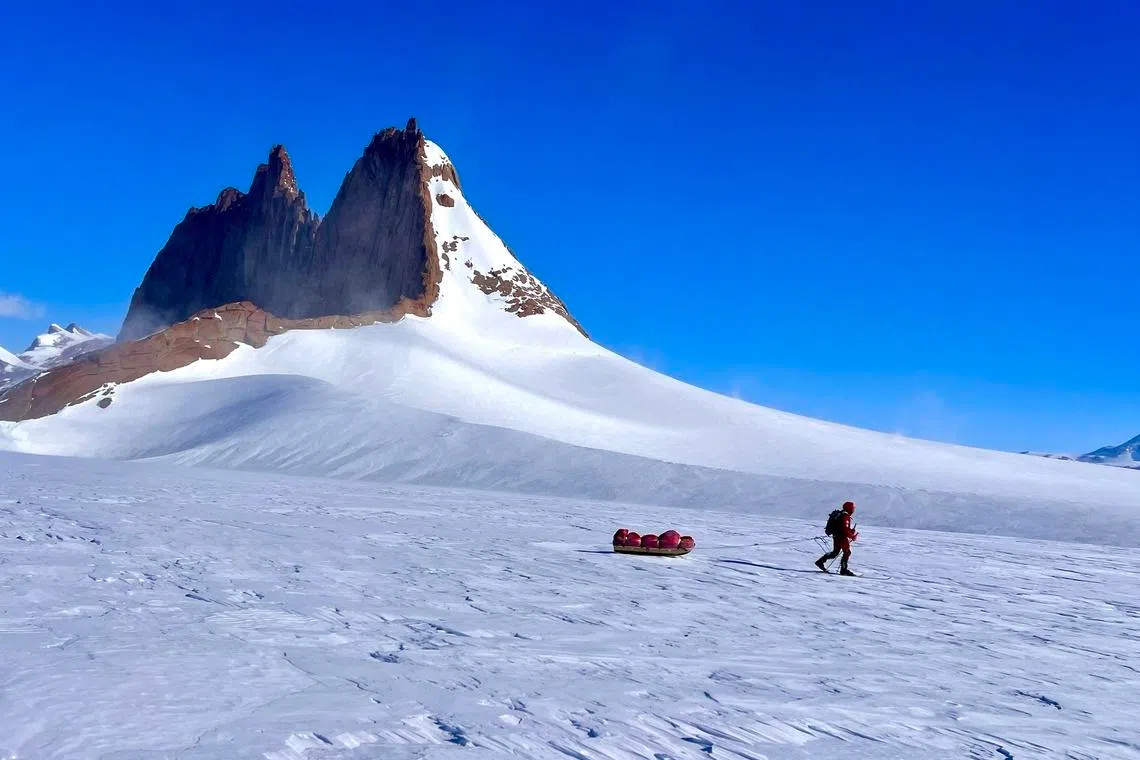
Speaking to The Business Times in an interview and on the TransportBT podcast, he says polar exploration is a long-held dream of his.
As a child, he was inspired by the Heroic Age of polar exploration in the late 19th and early 20th century, with figures such as Roald Amundsen, Robert Falcon Scott and Ernest Shackleton.
“The Heroic Age of polar exploration really fascinated me as a kid. It was always in the back of my mind that these people stepped out of their comfort zone and did something that went beyond normal… and they were able to discover the different corners of this planet.”
Kruger says he learnt many valuable lessons from both legends of the time by going over historical records and books, and trained and learnt from modern explorers, such as his friend Ebbesen.
The 2013 stint alone required four years of planning and a year of training, which involved dragging heavy lorry tyres over gravel to simulate the weight of the sled. He was often training before and after work, as well as on weekends.
Not only did he weigh and optimise each piece of equipment, he also used previous experience to improve on the next mission. For example, he learnt to sew and made custom additions to his polar jacket to keep warmer.
He says that expeditions and managing big projects are much the same, requiring audacious goals, constant improvements, a unified team and long, meticulous preparation.
Arctic exploration is an intensely personal challenge, he says, quipping: “If you are able to lead yourself, you are also better equipped to lead others.”
As a leader, being a unifier, giving teams a clear purpose and preparation are his priorities.
“The main point of leadership is that you need to bring people together, to train yourself and build a foundation that can enable you to achieve something special,” he says.
Strong goals, he adds, help focus commitment. In management, he dubs it the “big hairy audacious goal”, and reminding teams of this can help manage conflict and improve teamwork.
Leadership isn’t glamorous
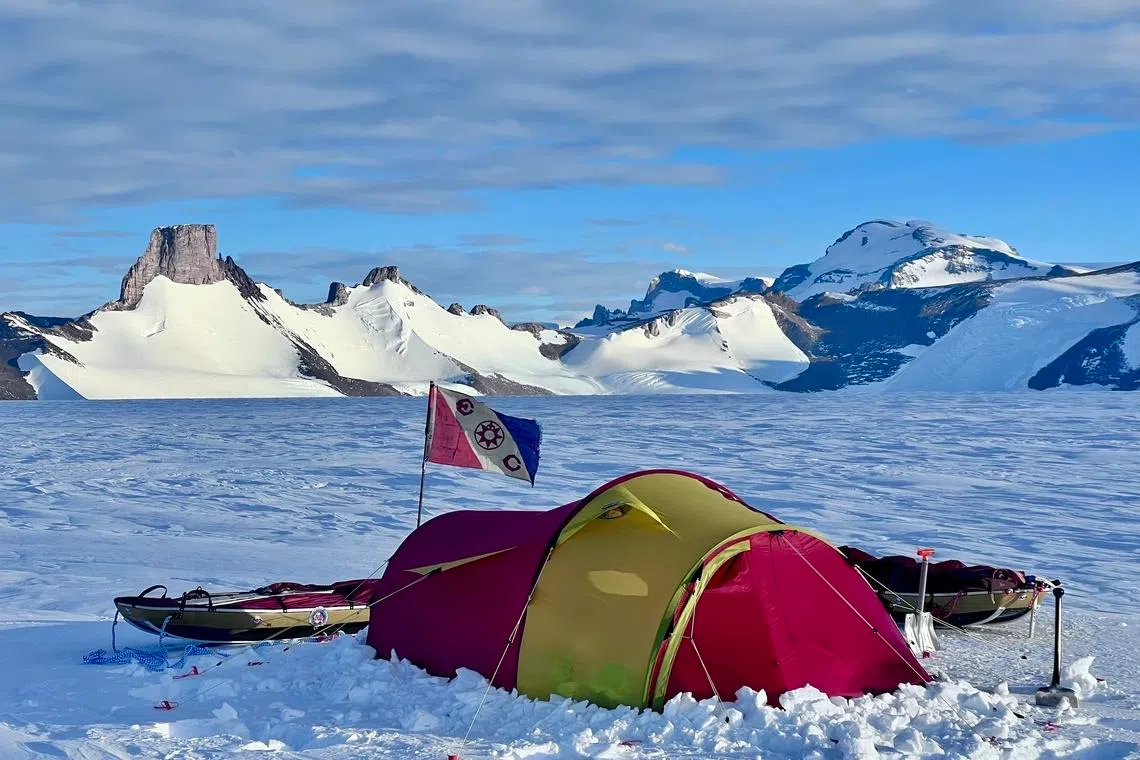
He accepts that for normal business, motivation may not equal that of a childhood dream, but building or finding a team with similar drive helps.
“I think it comes down to the dedication, the commitment that people give it and the willingness to learn – that’s what I look for when I put a team together,” he says.
Individuals that can work together with a similar mindset of self-improvement will be “constantly making sure they can improve with others together, and that in itself is motivating”.
Celebrating milestones is important as well, because that helps refocus on the goal and improve morale.
“You celebrate together once it is done and that makes people proud of what they have achieved; they can go onto the next task – this is very important. That is part of what I call leadership.”
In fact, Krueger views leadership as a straightforward task that has no inherent glamour.
“Frankly speaking, I don’t think there is anything that glamorous about leadership. It is about bringing a team together and achieving something special, or lifting an organisation to the next level and if you can achieve that, you share it with the team. Nothing glamorous,” he says.
In contrast, exploring one of Earth’s remotest places is often its own reward.
“We still don’t know so much about Antarctica. For (the latest expedition), we chose that route because nobody had been there before. It’s just a fascinating, beautiful landscape and you see things that no one else has seen, you set foot on ice and snow that nobody has ever been before. It is a spectacular place.”






