

Prominent short seller Andrew Left found guilty of securities fraud in US
He was accused of using tweets about companies to illegally influence their shares and make a quick profit
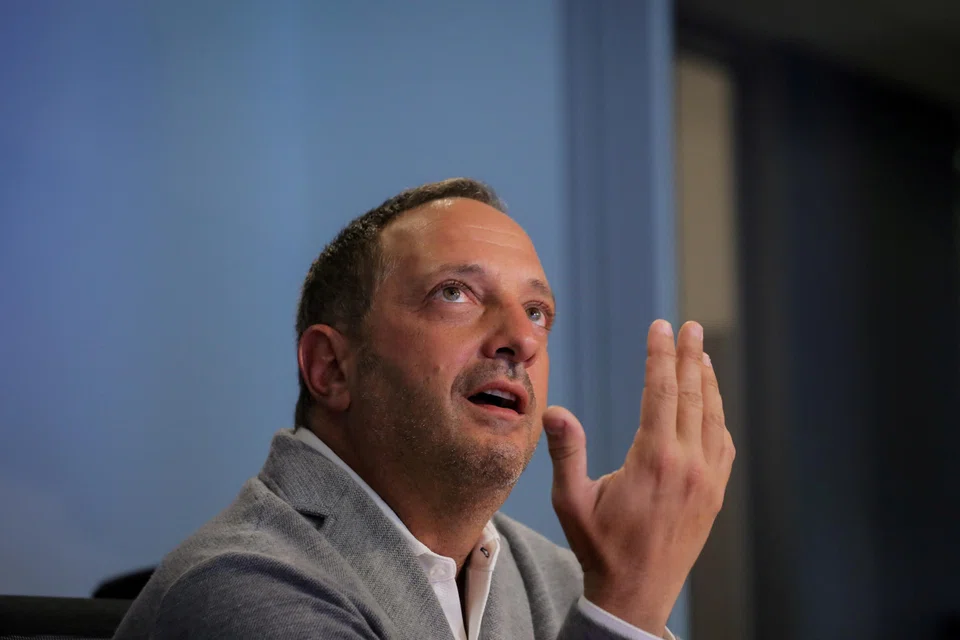
ANDREW Left, one of the world’s most prominent short sellers, was found guilty of securities fraud by a US jury after a landmark trial that scrutinised his use of social media to move the price of stocks.
The founder of Citron Research was convicted on 13 of the 17 counts on Monday (Jun 1) after a three-week trial in Los Angeles. He was accused of using explosive tweets about dozens of companies to illegally influence their shares and make a quick profit. Prosecutors said he earned more than US$20 million from such trades from 2018 to 2023.
“I think the jury got it wrong,” Left said outside the courtroom. “Obviously, this is not the end of the road for us,” he said, hinting at an appeal.
Left faces more than two decades behind bars at an Aug 31 sentencing hearing, though criminal defendants frequently get less time. He will remain free until then.
Left took the rare step by a criminal defendant to testify in his own defence. That allowed him to explain his tweets and trades to jurors under friendly questioning by his lawyer. But he also faced a tense cross-examination by prosecutors who challenged his credibility and grilled him on private communications about his trading intentions that appeared to contradict his public statements about the companies he tracked.
Jurors found Left guilty on a single count of running a securities fraud scheme – the most serious charge – and multiple additional counts related to individual securities. He was found not guilty on other counts related to individual securities.
The verdict, which came after two days of deliberations by the jury, is a win for the US Justice Department in a white-collar criminal trial under President Donald Trump’s administration – though the Left case started under former President Joe Biden. Many such prosecutions have been scrapped under Trump, who has also issued pardons for some defendants who were convicted.
The trial put a spotlight on the activities of activist short sellers, who highlight companies they think are overvalued and can profit if the stock goes down. The case also examined when statements of opinion about a company cross into market manipulation – a thorny topic with potential implications for Wall Street.
Short sellers
Left’s 2024 indictment followed a wide-ranging US probe of how participants in the lightly regulated short-selling industry trade. Firms typically build up bets that a particular company’s shares will fall, then issue research reports detailing their positions to the broader market.

After the verdict, Left blasted the case against him as an attack on free speech and innocent trading conduct. He said it was inconceivable that he could have moved the stock of massive companies like Nvidia Corp, Tesla and Facebook, as prosecutors had alleged.
At the heart of the case were Left’s tweets on the platform now called X. Prosecutors alleged that his private communications around the time he was posting his tweets proved that he did not always believe what he was saying about the companies and gave his followers false impressions about his trading intentions.
Left built a sizable social media presence following prescient calls on China Evergrande Group in 2012 and Valeant Pharmaceuticals in 2015. Prosecutors claim that, from 2018 to 2023, Left published fewer reports and more tweets trash-talking stocks and setting “extreme” price targets for them.
For example, early on Jan 8, 2019, Left opened short positions in streaming-box maker Roku, then posted on Citron’s Twitter account at 9:41 am that Roku was “uninvestible,” driving down the stock, according to the government.
Left then “falsely and misleadingly” claimed to be “watching Roku from the side,” suggesting he was not invested in the stock, prosecutors said. In actuality, he made US$700,000 from his short that day, the government said.
Left testimony
The highlight of the trial was when Left took the stand. During his testimony, the judge repeatedly reminded Left to answer the prosecutor’s questions directly and twice struck his responses from the record.
Left told jurors he does not believe there is anything wrong with him profiting from the “price correction” of a stock after he issues a report or tweet about a company he thinks is overvalued or undervalued.
“It’s the stock market,” Left said. “I say what I believe. I speak truth. If people want to read it, read it.”
The trader also testified that he does not believe there is any law that bars him from making trades in the minutes and hours after he published social media posts or research reports on them, attempting to undercut a key element of the case.
“There is no specific period of time, I believe, you have to hold the position after you make a comment,” Left said, adding that he never made a comment about a company that he did not believe.
Earlier in the trial, prosecutors presented emails that they say show Left coordinated with hedge funds on stocks he planned to short and bragged his “hot voice” with retail investors meant they could “take candy from a baby.”
Jurors also heard from Mike Gorenstein, the chief executive officer of Canadian cannabis distributor Cronos Group, who testified that he was stunned when Left issued a report saying the company was overvalued, prompting shares to plunge. BLOOMBERG
Decoding Asia newsletter: your guide to navigating Asia in a new global order. Sign up here to get Decoding Asia newsletter. Delivered to your inbox. Free.
Share with us your feedback on BT's products and services
TRENDING NOW

Once staunchly pro-China, Malaysian Chinese businesses are now distancing themselves from Beijing

Looking beyond looming CEO succession, should UOB potentially pursue a transformative merger?

Could stablecoins be the future of money?

Grab CEO’s wife Chloe Tong on life with Anthony Tan and finding her purpose

