

Seoul apartment price rally gains pace ahead of Bank of Korea decision
The cost of units in the city are up 0.31% in the week ended May 18, the fastest weekly increase since Jan 26
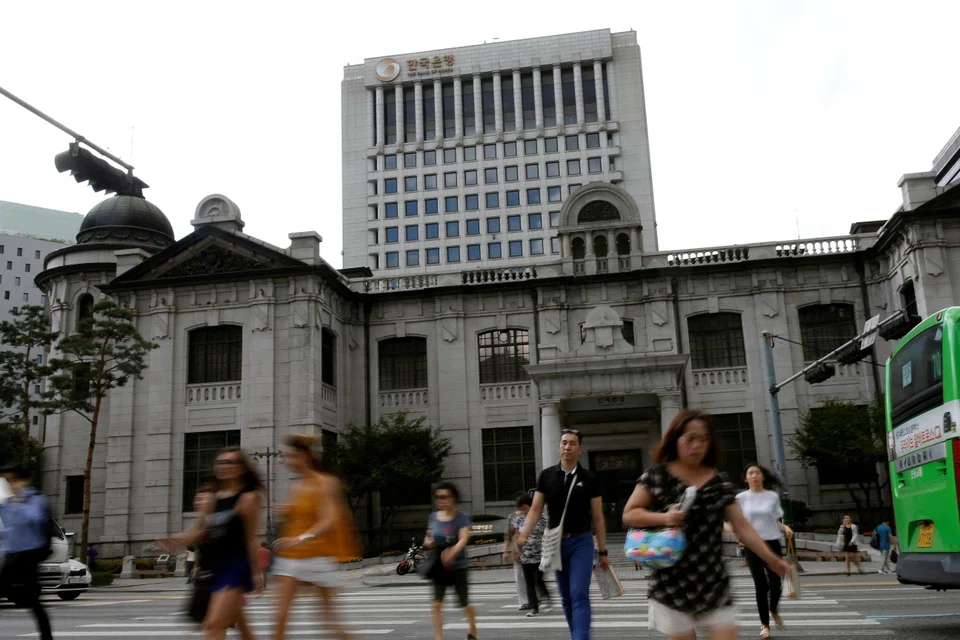
[SEOUL] The housing rally in South Korea’s capital is continuing to regain momentum.
It is an outcome that is likely to reinforce concerns at the nation’s central bank that rising property prices could complicate the policy outlook, as the Iran conflict fuels inflationary pressures.
Apartment prices in Seoul rose 0.31 per cent in the week ended May 18 – the fastest weekly increase since Jan 26, going by data released on Thursday (May 21) by the Korea Real Estate Board (KREB).
That marked the 68th consecutive week of gains. Nationwide apartment prices also inched up at a slightly faster pace of 0.07 per cent.
While wait-and-see sentiment has deepened among buyers in some districts, demand focused on redevelopment projects, the KREB said.
Apartment complexes with favourable living conditions is helping push prices higher in other parts of the capital, it added.
The Bank of Korea (BOK) next sets policy on May 28 – which will be governor Shin Hyun-song’s first rate decision since taking office in April.
Investors and economists are closely watching to see whether policymakers adopt a more hawkish tone under his leadership, after recent signs that inflation and financial-stability concerns are becoming more prominent within the board.
The latest property price figures extend a steady rebound in the housing market, despite government efforts over the past year to curb speculative demand through tighter lending regulations and mortgage restrictions.


Several policymakers have signalled renewed unease over the risk that rising home prices could fuel household debt and broader financial imbalances.
The BOK in 2025 cited concern over household debt as a reason for holding policy rather than cutting rates to support the economy, an indication of its significance in the central bank’s decision making.
The overall picture for the resource-dependent economy has changed since then, with higher oil prices linked to the crisis in the Middle East adding to inflation risks.
The central bank left its benchmark interest rate unchanged at 2.5 per cent in April. Economists surveyed by Bloomberg earlier in May see the BOK raising interest rates by the end of this year. BLOOMBERG
Decoding Asia newsletter: your guide to navigating Asia in a new global order. Sign up here to get Decoding Asia newsletter. Delivered to your inbox. Free.
Share with us your feedback on BT's products and services
TRENDING NOW

Once staunchly pro-China, Malaysian Chinese businesses are now distancing themselves from Beijing

Looking beyond looming CEO succession, should UOB potentially pursue a transformative merger?

Could stablecoins be the future of money?

Grab CEO’s wife Chloe Tong on life with Anthony Tan and finding her purpose

