

South-east Asian militant group Jemaah Islamiyah to be disbanded, say its senior leaders
The leaders confirmed their commitment to the Indonesian state and law
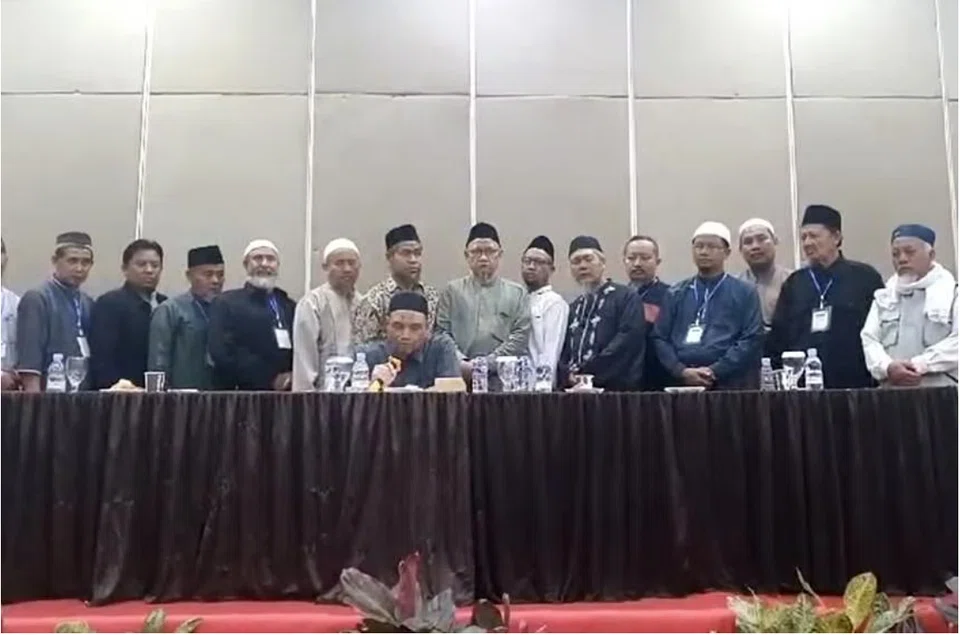
SENIOR members of Jemaah Islamiyah, the South-east Asian militant network blamed for the deadly Bali bombings, have announced they are disbanding the group, according to a report by a Jakarta-based think tank on Thursday (Jul 4).
The report from the Institute for Policy Analysis of Conflict (IPAC), confirmed the authenticity of a June 30 video statement by sixteen Jemaah Islamiyah (JI) leaders announcing they were dissolving the extremist network.
In the statement, captured on video and shared online, the leaders confirmed their commitment to the Indonesian state and law, and said all material taught in JI-affiliated boarding schools would be in line with orthodox Islam.
“It is too early to say what the consequences are, but the men who signed the statement have enough respect and credibility within the organisation to ensure widespread acceptance,” said Sidney Jones, who authored IPAC’s preliminary analysis.
The Al-Qaeda linked militant group is accused of orchestrating some of the deadliest attacks in Indonesia, including the 2002 bombing of Bali nightclubs that killed more than 200 people.
Indonesia’s National Counter Terrorism Agency (BNPT) declined to comment on the development, but said it planned to soon hold a press conference.
The decision to disband the organisation, said Jones, was likely driven by several factors, including the influence of intellectuals within JI who were less interested in violent jihad, and a cost-benefit analysis on the best way to protect the group’s biggest assets – its schools.
Intensive engagement with counter-terrorism officials also played a role, the report said.
Despite the clout of the figures involved, IPAC noted the group has a history of splinters and it was possible one could emerge in the future, although probably not immediately.
“For the moment, the likely result is the flourishing of JI-affiliated schools and the increasing involvement in public life of the men who signed the 30 June statement,” said IPAC. “What happens to the rest of the membership remains to be seen.” REUTERS
Decoding Asia newsletter: your guide to navigating Asia in a new global order. Sign up here to get Decoding Asia newsletter. Delivered to your inbox. Free.
Share with us your feedback on BT's products and services
TRENDING NOW

Government to bring forward raising of retirement age, give employers more financial support to create flexi-load jobs

If Europe goes to war, the fallout will be felt in East Asia

Former minister Maliki Osman, Revolut chairman join Asia Gulf Holdings advisory board

Small nuclear reactors could boost the Asean Power Grid: GE Vernova executive

