

Thai growth likely to top 3% over next one to two years on new investments
Investments in the first quarter are up 18% annually at 260 billion baht

[BANGKOK] Thailand’s finance minister said on Wednesday (May 13) that he expects growth to top 3 per cent over the next one to two years, boosted by new investments, with the central bank also stating it was in no rush to raise interest rates.
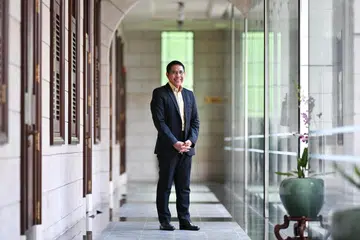
Finance Minister Ekniti Nitithanprapas told reporters he was confident that gross domestic product would grow 3 per cent over the next one to two years as a result of new investments.
Investments in the first quarter rose 18 per cent annually to 260 billion baht (S$20.1 billion), he said, adding that investment applications were at one trillion baht in the same quarter.
The Bank of Thailand said earlier that it was in no rush to hike rates and that the risks of a second round of inflation were limited. It added that prices were expected to rise temporarily this year on higher energy prices and cost pass-throughs.
The current policy rate was appropriate to support economic recovery, the central bank said in a statement.
Minutes of the central bank’s Apr 29 policy meeting also showed that the country’s economic outlook has dimmed and it requires a coordinated policy mix and structural changes to handle heightened risks from the Middle East war.
At the meeting, the monetary policy committee unanimously voted to keep the one-day repurchase rate unchanged at 1 per cent as it assessed the impact of higher oil prices driven by the conflict.
The next rate review is on Jun 24. Official first-quarter GDP growth will be announced on May 18.
Consumption-based stimulus offered only transient economic support, the minutes showed, adding that policy should prioritise structural transformation and the preservation of fiscal room to manoeuvre.



Overall credit growth was expected to remain subdued this year, the minutes showed.
The impact of the conflict has gone beyond higher energy prices and has become more broad-based, weakening purchasing power and raising business costs, the minutes said.
Last week, governor Vitai Ratanakorn revised growth forecasts to 2.1 per cent this year and 2.6 per cent for next, from 1.5 per cent and 2.0 per cent, respectively, at a previous policy review.
The upward revision in growth for this year reflects a 400 billion baht loan decree approved last week and a consumer subsidy scheme planned for June to boost consumption, Vitai said.
The government this week said it would seek Cabinet approval to borrow another 200 billion baht.
Vitai has forecast headline inflation at 3.1 per cent this year, easing to 1.4 per cent in 2027, compared with the central bank’s projections in April of 2.9 per cent this year and 1.5 per cent next year.
Its target range is 1 to 3 per cent.
South-east Asia’s second-largest economy, which has lagged regional peers since the pandemic, expanded 2.4 per cent last year. REUTERS
Decoding Asia newsletter: your guide to navigating Asia in a new global order. Sign up here to get Decoding Asia newsletter. Delivered to your inbox. Free.
Share with us your feedback on BT's products and services
TRENDING NOW

Government to bring forward raising of retirement age, give employers more financial support to create flexi-load jobs
Former minister Maliki Osman, Revolut chairman join Asia Gulf Holdings advisory board

Is Manila Asia’s new dining hot spot?

Simba at risk of losing operating licence over spectrum misuse

