



Trump moves to ban some foreign energy equipment from US grid, citing national security
This comes as cyberattacks on US water facilities show how critical infrastructure can be a target
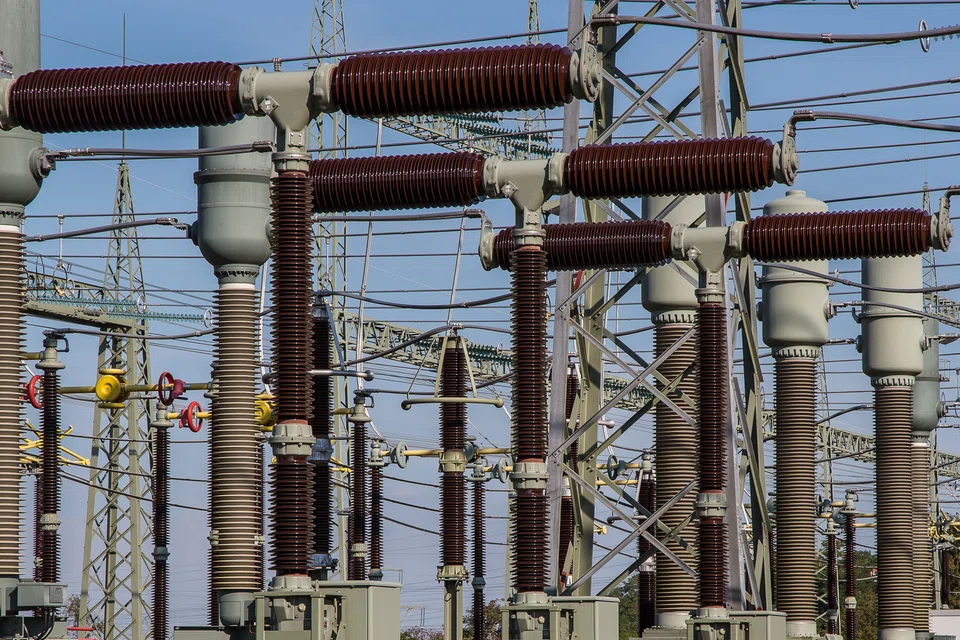
US President Donald Trump on Wednesday (Aug 26) signed an emergency order that aims to keep some foreign-made transformers and other critical energy equipment out of the nation’s electric grids on national security grounds.
The directive comes amid mounting bipartisan concern that Chinese-manufactured components in the US power system could contain vulnerabilities that can be exploited by foreign adversaries.
It also follows a series of cyberattacks on US water facilities that have underscored the extent to which the country’s critical infrastructure can be a target.
Trump’s order generally bars the US purchase, importation or installation of certain foreign-made, bulk-power system electrical equipment – and associated software – where it could pose cybersecurity or operational risks.
It also sets the stage for potentially new conditions on the continued use of already installed equipment to address risks. Trump’s directive permits the energy secretary to impose those restrictions as necessary, while bearing in mind potential consequences to reliability and safety.
In signing the executive order, Trump warned of “certain foreign actors” who are “increasingly creating and exploiting vulnerabilities in the United States bulk-power system”.
“The rapid growth of advanced manufacturing, data centres, artificial intelligence, and defence production has increased the Nation’s dependence on abundant, reliable electricity and magnified the consequences of a successful attack or supply disruption on the bulk-power system,” Trump said in the directive.
Bloomberg reported on the order earlier on Wednesday.
The move could benefit domestic electric equipment manufacturers and companies such as SolarEdge Technologies, Enphase Energy and Tesla.

SolarEdge, which manufactures inverters in the US, rose as much as 13 per cent. Enphase, a battery supplier, was up as much as 4.4 per cent in late trading on Wednesday.
According to the International Energy Agency, China accounts for roughly 80 per cent of the world’s battery and solar inverter manufacturing capacity.
And scores of Chinese large power transformers have been imported into the US over the past decade, according to a 2020 Commerce Department investigation.
Power utilities and other companies that use the equipment are effectively being put on notice about the prohibited devices, while the Energy Department develops rules to implement the ban.
Trump’s order, which is rooted in a national emergency declaration under two federal laws, gives the agency 120 days to publish regulations on the matter.
The equipment ban collides with existing strains in the supply of critical electric system components and could exacerbate already long waits for some gear.
Trump is also tasking Energy Secretary Chris Wright with identifying and recommending changes to better address risks tied to electric equipment used in bulk-power systems.
The US president’s order does not apply to facilities used for local distribution of power.
Trump’s move marks the latest bid by the administration to tap an array of authorities – including trade laws and tariffs – to bolster domestic supply chains for critical minerals, metals and other goods viewed as essential to national security and US military capacity.
The Energy Department is already seeking public input on new standards for transformers amid related national security and supply chain concerns.
And the Federal Communications Commission in July tightened curbs on some foreign-made robots and power inverters used in solar energy projects.
The latest move dovetails with a directive Trump issued in 2020 during his first term in the White House – later rescinded by former US President Joe Biden – that declared foreign-supplied grid components an “extraordinary threat to national security”, and barred their purchase from entities deemed a risk.
That 2020 order did not name specific countries or companies but empowered the energy secretary to identify them.
Trump’s directive homes in on equipment that has been designed, developed, manufactured or supplied by entities subject to governments of foreign countries facing US arms embargoes or sanctions regimes.
Concerns have escalated alongside the increasing deployment of grid-connected equipment, as modern solar inverters, battery-management systems and other gear now generally are able to be monitored and controlled remotely.
That raises new potential vulnerabilities to cyberattacks, feeding fears that foreign adversaries could exploit weak points in the devices.
Democratic and Republican lawmakers previously have singled out Huawei Technologies as a particular concern.
In April, the US government’s Cybersecurity and Infrastructure Security Agency warned of potential Iranian-backed cyberattacks that might target infrastructure. BLOOMBERG
Decoding Asia newsletter: your guide to navigating Asia in a new global order. Sign up here to get Decoding Asia newsletter. Delivered to your inbox. Free.
Share with us your feedback on BT's products and services
TRENDING NOW
GCash parent Mynt rises in market debut after South-east Asia’s top 2026 IPO

In the age of AI, what is a university education for?
Singapore to use ‘every legal and regulatory lever’ against companies linked to haze: Shanmugam
‘IPOs are not the only vehicle’: KKR heads for record exits even as firms stay private for longer

