

Trump says Iran ceasefire over but talks on deal to continue
The comments follow nights of US airstrikes and Iranian retaliation, that have clouded the outlook for a broader peace deal
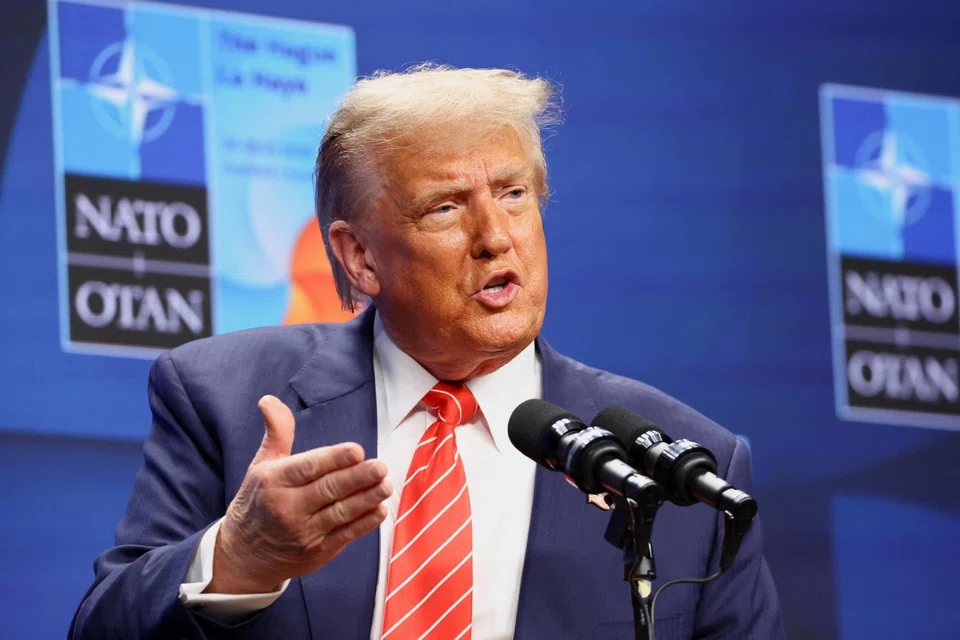
[WASHINGTON] US President Donald Trump said the US would continue talks with Iran but considers the ceasefire between the countries to be over.
“The Islamic Republic of Iran has asked us to continue ‘talks.’ We have agreed to do so, but the United States has stated to them, in no uncertain terms, that the Cease Fire is OVER!,” Trump said Friday (Jul 10) on social media.
The president’s comments follow several nights of US airstrikes and Iranian retaliation that sent oil prices higher and raised doubts about further talks towards a broader peace deal.
The recent tensions, along with a US Treasury move to revoke a waiver allowing Iran to sell its oil globally posed the biggest challenges yet to an interim peace deal between Washington and Tehran.
Trump’s comments are likely to ease fears of a return to all-out war. Oil jumped to session highs before retreating, while stocks fell before trimming losses after Trump’s post.
Markets are getting a jolt that moving past war risks has been premature, yet the modest reaction in oil will keep the cross-asset reaction contained.
Both sides have blamed each other for breaking the Jun 18 memorandum of understanding that called for the reopening the Strait of Hormuz and set in motion a 60-day negotiating period to secure a broader deal.
The US accused Iran of attacking ships transiting Hormuz, a critical passageway for oil and gas supplies. The US military launched strikes on Iranian targets this week, while Tehran hit back at US bases in the region, including in Kuwait and Bahrain.
After two nights of strikes, however, Thursday brought calm with no further attacks by either country. Mediators including Qatar, though, worked in recent days to ease tensions, according to a person familiar with the matter.

Trump’s Friday post echoed his comments earlier in the week. At the Nato summit in Turkey on Wednesday, he suggested the ceasefire was “over”, but also said he would not prevent negotiations from going ahead.
A US official on Thursday night said that so-called technical talks would continue.
“An attack on infrastructure will be met with a reciprocal response,” Iran’s Supreme National Security Council secretary, Mohammad Bagher Zolghadr, said earlier on Friday, extending the warning to Israel.
Talks slowed this week as the Iran held days of funeral rites for former Supreme Leader Ali Khamenei, who was killed in an airstrike on the first day of the conflict. Khamenei was buried on Thursday in the north-eastern city of Mashhad.
His son and successor, Mojtaba, has not been seen in public or appeared on video since taking on his new role, sparking questions over his health and involvement in negotiations with the US.
The younger Khamenei will hold a memorial ceremony for his father on Friday, his office said, spurring speculation he could make his first public appearance since the war.
Traffic through the strait, which revived after the deal was signed, returned to a near standstill after the latest skirmishes.
Hormuz has been largely closed since the start of hostilities. The shortfall in energy flows has pushed oil and gas prices up and forced countries to drain precious reserve stockpiles, a mounting risk to the global economy. BLOOMBERG
Decoding Asia newsletter: your guide to navigating Asia in a new global order. Sign up here to get Decoding Asia newsletter. Delivered to your inbox. Free.
Share with us your feedback on BT's products and services
TRENDING NOW

Once staunchly pro-China, Malaysian Chinese businesses are now distancing themselves from Beijing

Looking beyond looming CEO succession, should UOB potentially pursue a transformative merger?

Could stablecoins be the future of money?

Grab CEO’s wife Chloe Tong on life with Anthony Tan and finding her purpose

