UK consumer sentiment falls to lowest since 2023, GfK says
The drop suggests that households are starting to take stock of what the Middle East conflict means for their budgets
[LONDON] Britons became more pessimistic about their finances and the wider economy after the Iran war drove up petrol prices, a survey showed.
Market-research company GfK’s consumer sentiment gauge fell four points to minus 25 in April, the lowest level since 2023, it said on Thursday (Apr 23).
The decline was steeper than in March, when confidence dipped only slightly after the first US-Israeli strikes on Iran.
The drop suggests that households are starting to take stock of what the Middle East conflict means for their budgets.
A sub-index that monitors people’s feelings about their personal financial situation in the coming year also dropped four points.
The survey adds to evidence that the 54-day war in Iran and the ongoing disruption to global energy markets are affecting British consumers.
Inflation accelerated to 3.3 per cent in March, driven by the largest increase in motor fuel prices since Russia’s invasion of Ukraine in 2022.
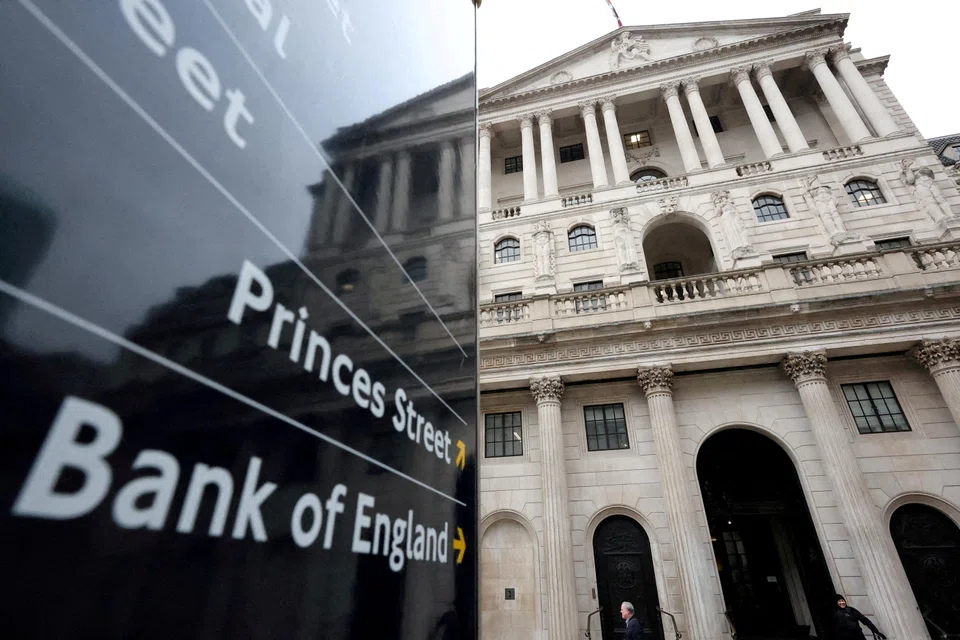
At the same time, half a million households rolling off ultra-low mortgage deals are bracing for a surge in borrowing costs, as traders expect the Bank of England to raise interest rates.
Neil Bellamy, the director of consumer insights at GfK, said: “Consumers really do have the jitters now.


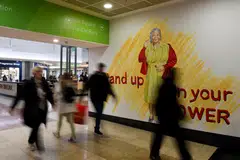

“Everyone is grappling with rapid price rises, especially at the fuel pumps, which are taking a dent out of household budgets, and people know further price hikes are coming.”
Confidence in personal finances and the economy both plunged in April, GfK’s survey showed. Savings intentions surged, indicating that families are building up emergency funds.
Still, consumers have been relatively sanguine since the outbreak of the war in Iran, compared with previous crises.
GfK’s confidence index dropped by 12 points in the first two months after Russia invaded Ukraine in 2022 – about twice as fast as the decline since the start of the Middle East conflict.
Confidence also declined more quickly ahead of the Labour government’s Budget in October 2024, when Chancellor of the Exchequer Rachel Reeves warned of painful tax increases. BLOOMBERG
Decoding Asia newsletter: your guide to navigating Asia in a new global order. Sign up here to get Decoding Asia newsletter. Delivered to your inbox. Free.
Share with us your feedback on BT's products and services