

UK government sets up board to tackle labour market inactivity
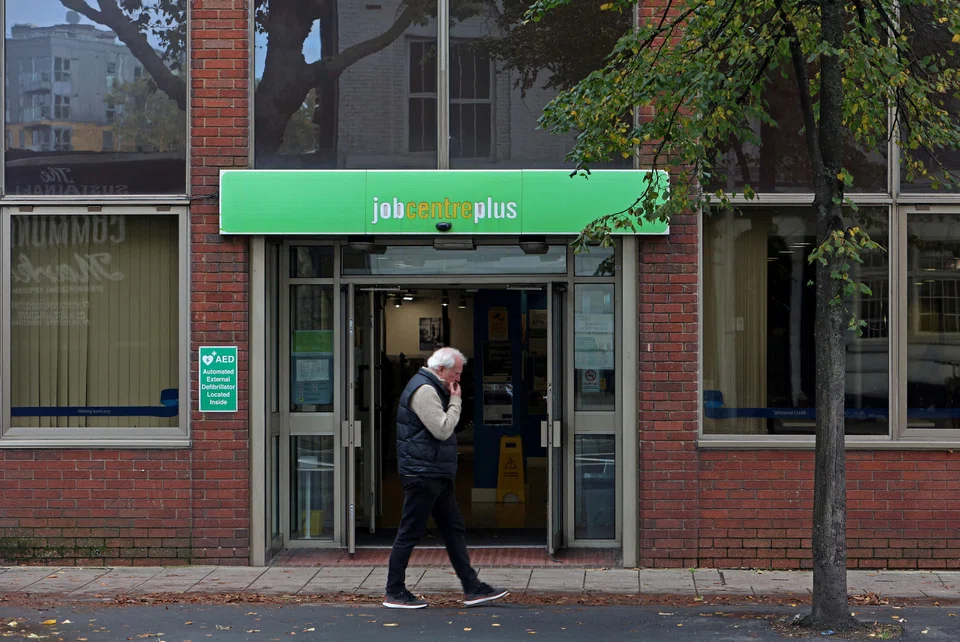
BRITAIN’S Labour Party on Tuesday launched a new advisory board that will help address long-standing issues in the country’s labour market, including reducing high levels of inactivity among working-age people.
The “Get Britain Working” plan, aimed at getting more people back to work, is part of government plans to reach 80 per cent employment rate and speed up economic growth.
Paul Gregg, chair of the Labour Market Advisory board, said Britain’s jobs market faced deep-seated challenges.
“We have seen a sharp increase in economic inactivity and long-term sickness, most notably in our young people post-pandemic,” Gregg said.
“Further, real wage growth has been heavily suppressed for 15 years hitting living standards and government tax revenues. Reversing these trends will be key to ensuring the long-term prosperity of the UK’s labour market.”
Britain’s economy has been slower to recover from the hit of the Covid-19 pandemic than many other big, rich countries.
SEE ALSO






Official figures showed 9.4 million working-age Britons were not in employment or looking for work and 2.8 million were not working because of long-term sickness as of mid-2024, something the government says also reflects long waiting times in the country’s increasingly stretched national health service.
Labour market data later on Tuesday is expected to show strong employment growth and a cooling in wage growth in July.
The Labour Party, which has been in power since July, said it will overhaul job centres and devolve powers to local areas as part of its reform plan this autumn. REUTERS
Decoding Asia newsletter: your guide to navigating Asia in a new global order. Sign up here to get Decoding Asia newsletter. Delivered to your inbox. Free.
Share with us your feedback on BT's products and services
TRENDING NOW

Once staunchly pro-China, Malaysian Chinese businesses are now distancing themselves from Beijing

Looking beyond looming CEO succession, should UOB potentially pursue a transformative merger?

Could stablecoins be the future of money?

Grab CEO’s wife Chloe Tong on life with Anthony Tan and finding her purpose

