

US faces a deficit of 6 million workers in less than a decade
Older workers are no longer driving the expansion of US jobs, as they were for the two pre-pandemic decades
US EMPLOYERS will confront a shortage of some 6 million workers within a decade, according to a new study.
A combination of retirements, mismatches between workers and available jobs, and a decline in workforce participation among men is set to drive the gap, according to analysis by Lightcast, a provider of labour market data. Based on expected growth in the population, it projects a 6 million shortfall of workers by 2032 compared with the current level.
Over the next five to seven years, “our labour pool’s growth will not match our population’s,” said Ron Hetrick, an economist at Lightcast. “We will increasingly have more consumers than producers, driving price hikes and product shortages.”
One reason is that older workers are no longer driving the expansion of US jobs, as they were for the two pre-pandemic decades. The study found that out of 5 million workers who left the workforce since 2020, about four-fifths of them were over the age of 55.
In 2027 the number of Americans who turn 65 – historically a typical retirement age – will exceed the number that turn 16 for the first time, meaning there may not be enough potential new entrants into the workforce to replace retirees.
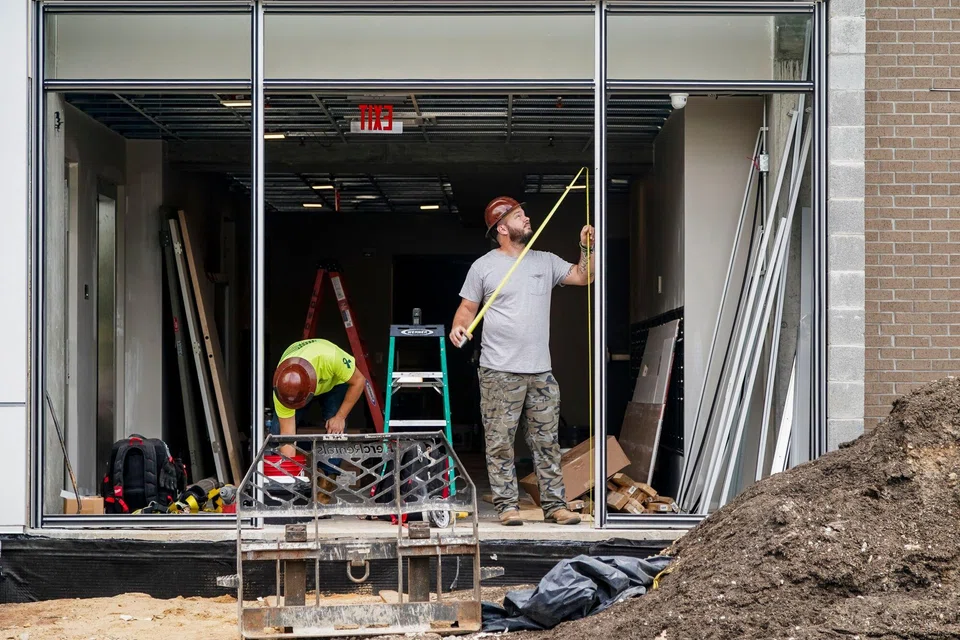
Another looming problem is the imbalance between available workers and the kind of work that’s in demand. The labour force is projected to become younger, more educated and more female, but those groups aren’t necessarily a match for the industries expected to need more labour – including health care, construction, and trades such as plumbing and car maintenance.
Many prime-age men are disappearing from the job market. That’s partly due to an increase in substance abuse and incarceration, which between them are responsible for taking 4.6 million Americans out of the labour force, the Lightcast research found – at a time when there’s a rising number of openings in “critical, male-dominated skilled-trade jobs.”
The majority of drug-related deaths or addictions occur among young men, according to the report – which also notes that alcohol is responsible for some 232 million missed work days, the equivalent of 112,000 full-time workers missing for a whole year. Since the pandemic, the number of people in the US who don’t have a job and aren’t actively looking for one has risen from around 95 million to 100 million.
Immigrants will likely be needed to take up some of the slack from US-born prime-age men, according to the study. Already, some industries would struggle to function without them. Lightcast found that 18% of health care workers come from outside the US, including one in four doctors and one in five registered nurses.

Another option that’s been touted to fill the gap is artificial intelligence. But the Lightcast researchers are skeptical that AI and automation can fill the kind of practical, hands-on roles that the economy will need. In fact, the study finds that the industries most in need of workers are precisely the ones where AI is least likely to replace human employees. BLOOMBERG
Decoding Asia newsletter: your guide to navigating Asia in a new global order. Sign up here to get Decoding Asia newsletter. Delivered to your inbox. Free.
Share with us your feedback on BT's products and services
TRENDING NOW

Once staunchly pro-China, Malaysian Chinese businesses are now distancing themselves from Beijing

Looking beyond looming CEO succession, should UOB potentially pursue a transformative merger?

Could stablecoins be the future of money?

Grab CEO’s wife Chloe Tong on life with Anthony Tan and finding her purpose

