

US regulator ends probe into Tesla’s ‘actually smart summon’ feature after software fixes
But this does not constitute a finding that a safety-related defect does not exist
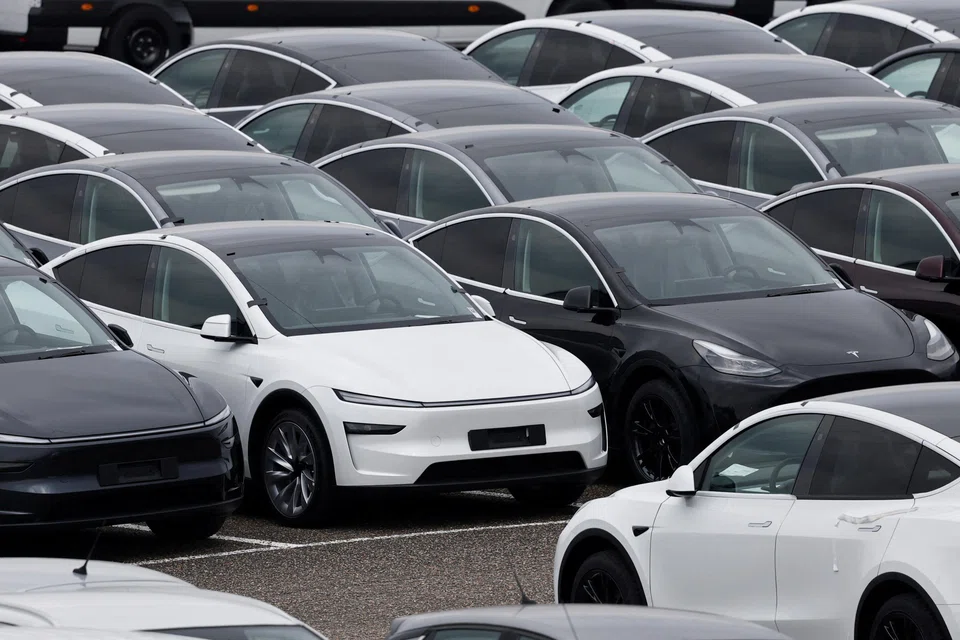
[BENGALURU] The US National Highway Traffic Safety Administration (NHTSA) said on Monday (Apr 6) that it has closed its investigation into Tesla’s so-called “actually smart summon” feature, which covered about 2.6 million vehicles.
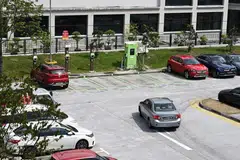
The feature allows users to remotely move vehicles over short distances in parking areas or private property using a smartphone app, while maintaining continuous supervision.
The agency concluded that the feature was linked primarily to low-speed incidents resulting in minor property damage, with no reported injuries or fatalities.
Tesla did not immediately respond to a request for comment.
NHTSA noted that most of the reported incidents involved vehicles striking obstacles such as parked cars, garage doors or gates, often early in a summon session when visibility or situational awareness was limited.
The regulator said the low frequency and severity of incidents, along with the implemented fixes, did not warrant further action at this time.
However, it noted that closing the probe does not constitute a finding that a safety-related defect does not exist, and said that it reserves the right to take further action if warranted.
Tesla addressed the identified issues through a series of over-the-air software updates aimed at improving obstacle detection, camera blockage identification and vehicle response to dynamic objects such as gates.
The updates also sought to reduce errors caused by environmental factors, such as snow or condensation affecting cameras.
NHTSA in March upgraded a probe into Tesla’s full self-driving system to an “engineering analysis”, which is a more advanced stage that typically precedes a potential recall.
It expanded the review to about 3.2 million vehicles.
The move highlights how Tesla’s driver-assistance and self-driving features remain under regulatory scrutiny over concerns about crashes, visibility limitations and whether the systems adequately warn drivers in real-world conditions.
The agency rejected a petition seeking a recall of 2.3 million Tesla vehicles in March over unintended acceleration concerns linked to pedal misapplication, saying that they found no evidence of a safety defect. REUTERS
Decoding Asia newsletter: your guide to navigating Asia in a new global order. Sign up here to get Decoding Asia newsletter. Delivered to your inbox. Free.
Share with us your feedback on BT's products and services
TRENDING NOW

LTA proposes combining car COE categories, adding rebate-surcharge system

StarHub to acquire MyRepublic’s mobile business amid ongoing telco consolidation

DBS, OCBC, UOB rout lops billions off STI as inflation, rate concerns spook investors

Grab CEO’s wife Chloe Tong on life with Anthony Tan and finding her purpose

