

US retail sales beat expectations in September on higher petrol prices
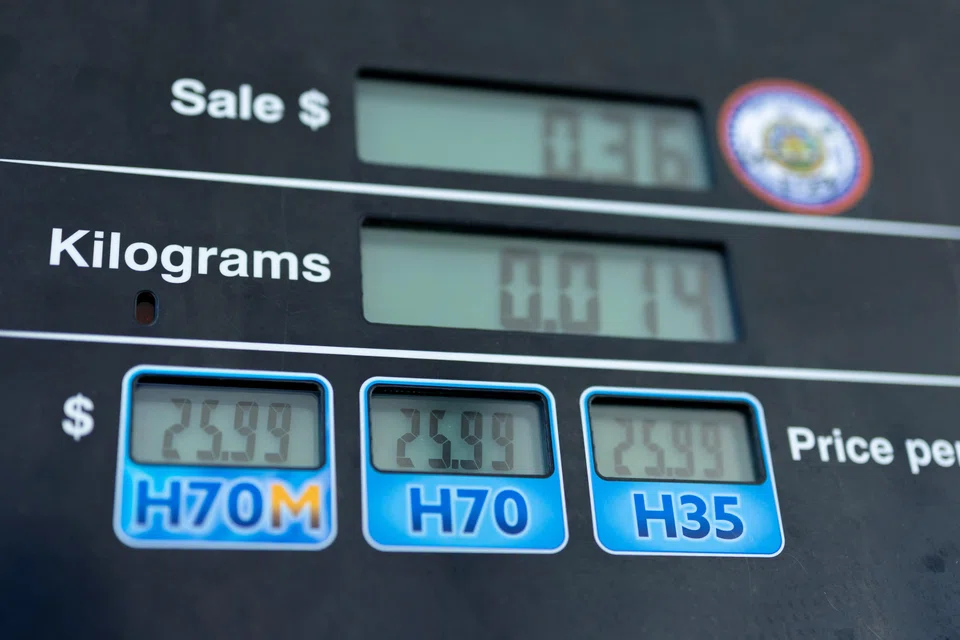
Rising petrol prices accounted for most of the increase in retail sales
[WASHINGTON] US retail sales increased more than expected in September, boosted by higher petrol prices, but spending elsewhere was moderate, which could temper economists’ expectations for another quarter of robust consumer spending growth.
Retail sales rose 0.8 per cent last month after an upwardly revised 1.3 per cent jump in August, the Commerce Department’s Census Bureau said on Thursday. Economists polled by Reuters had forecast retail sales, which are mostly goods and are not adjusted for inflation, rising 0.3 per cent.
Estimates ranged from being unchanged to an increase of 0.7 per cent. The Census Bureau last month revised its retail sales estimates to account for historical corrections and incorporate newly available survey data.
Prior to the revisions, August retail sales were estimated to have increased 1.2 per cent before being trimmed to a 1.1 per cent gain.
Rising petrol prices accounted for most of the increase in retail sales last month. Petrol prices soared 7.1 per cent in September, data from the US Energy Information Administration showed, driving inflation higher during that month.
The oil price shock from the US-Israeli war with Iran is putting a strain on consumers, especially those in the lower part of what economists call a K-shaped economy.
Inflation-adjusted wages fell again in September. Though consumers have continued to spend, higher-income households are doing the heavy lifting, partly thanks to stock market gains.
The Federal Reserve’s Beige Book report on Wednesday said most districts had “reported little or no change in overall consumer spending” between late August and early October.
It noted that even in districts like Dallas, where firms reported solid retail sales, there were “some reports of lower-income customers being more cautious with spending.”

Bank of America Institute reported this week an increase in the usage of buy now, pay later. While it said the pace was not “overly concerning,” it added that “nearly one in every five households that use BNPL has a repayment of over US$500.”
Retail sales excluding automobiles, petrol, building materials and food services edged up 0.1 per cent last month after surging 1.2 per cent in August, the Census Bureau said.
Economists had forecast these so-called core retail sales, which correspond most closely with the consumer spending component of gross domestic product, gaining 0.3 per cent.
Economists expect that consumer spending grew at around a 3.4 per cent annualised rate in the third quarter after rising at a 3.8 per cent pace in the April-June quarter.
Growth estimates for the July-September quarter are around a 3 per cent rate. The economy grew at a 2.2 per cent pace in the second quarter. REUTERS
Decoding Asia newsletter: your guide to navigating Asia in a new global order. Sign up here to get Decoding Asia newsletter. Delivered to your inbox. Free.
Share with us your feedback on BT's products and services






