US sanctions Chinese companies, tankers with Venezuela links
The move could be a signal to Beijing to steer clear of the stand-off between Trump and Maduro
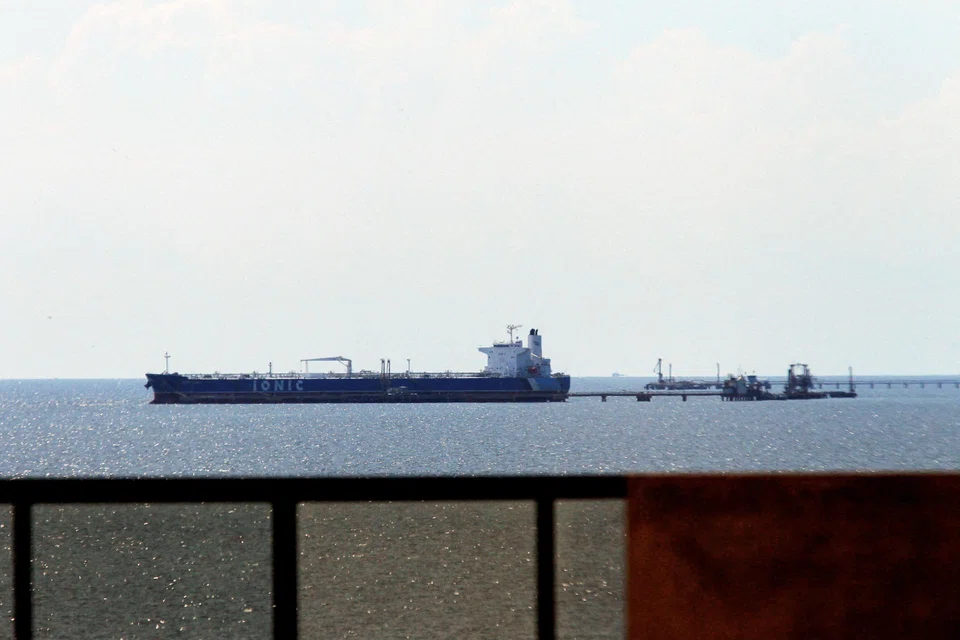
US PRESIDENT Donald Trump’s administration stepped up a pressure campaign against Venezuela’s oil exports by sanctioning companies based in Hong Kong and mainland China, along with related oil tankers that it accused of evading restrictions.
The Treasury Department’s Office of Foreign Assets Control on Wednesday (Dec 31) added four companies with links to Venezuela’s oil industry – Zhejiang-based Corniola and Hong Kong-based Aries Global Investment, Krape Myrtle Co and Winky International – to its specially designated nationals and blocked persons list.
It also sanctioned four vessels connected with those companies: Della, Nord Star, Rosalind and Valiant.
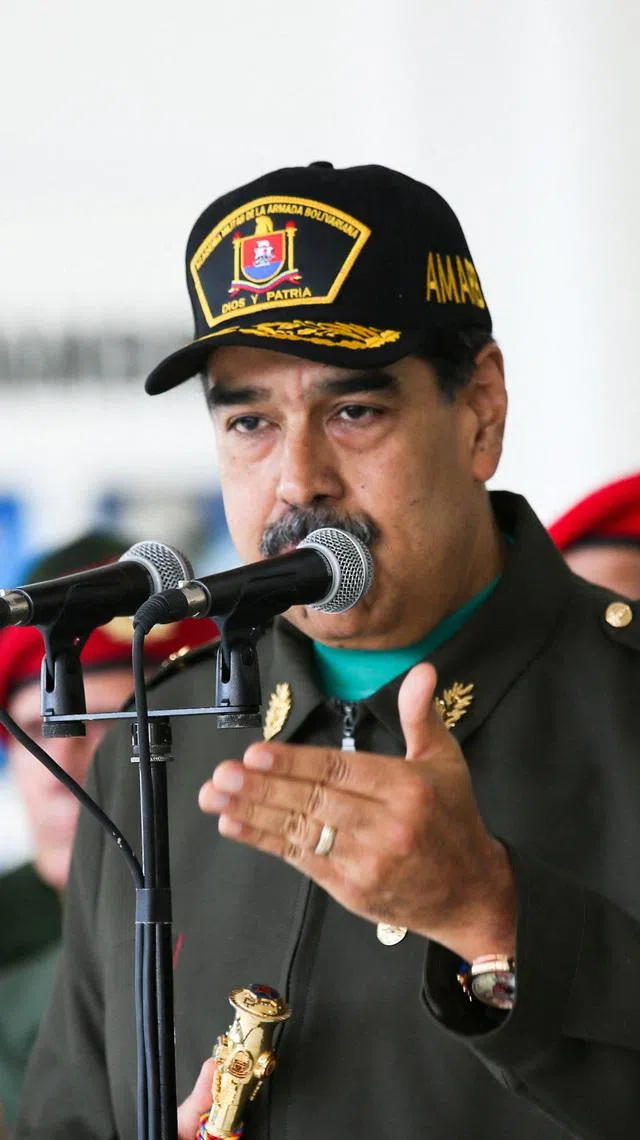
The US already has a list of vessels and companies under sanction for their connections to Venezuela’s oil trade. But targeting Chinese firms doing business there is rare, and could be a signal to Beijing to steer clear of the stand-off between the Trump administration and the regime of Nicolas Maduro.
China is Venezuela’s biggest customer for oil exports, which represent about 95 per cent of the Latin American country’s revenue.
“These vessels, some of which are part of the shadow fleet serving Venezuela, continue to provide financial resources that fuel Maduro’s illegitimate narco-terrorist regime,” the Treasury Department said in a statement.
“Maduro’s regime increasingly depends on a shadow fleet of worldwide vessels to facilitate sanctionable activity, including sanctions evasion, and to generate revenue for its destabilising operations.”
Of the vessels identified by the Treasury Department on Wednesday, only one has been anywhere close to Venezuela lately, based on ship-tracking data – the Rosalind, which typically is involved in short-haul trips known as cabotage.
But it is possible that others have travelled without sending transponder data.
Rising pressure
The sanctions represent the latest move in Trump’s pressure campaign against Maduro over alleged drug trafficking operations. On Tuesday, the Treasury Department also imposed sanctions on 10 individuals and firms based in Iran and Venezuela over their alleged involvement in weapons trading.
US forces have intercepted two carriers in recent weeks. A third turned away from Venezuela and retreated to the Atlantic Ocean after it was pursued by US forces.
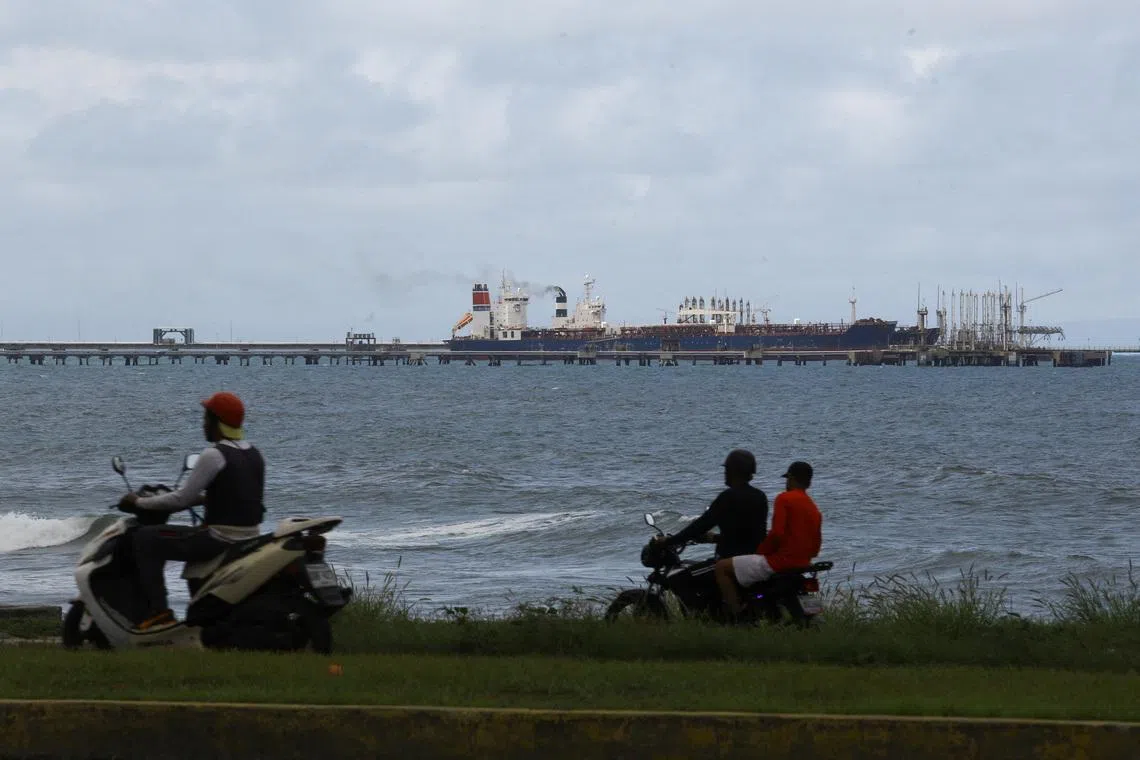
The US has also launched strikes against purported drug trafficking boats off the coast of Venezuela, and also implemented a blockade of sanctioned oil tankers to disrupt the country’s crucial energy exports.
US Southern Command on Wednesday said it struck three more vessels on Dec 30, sinking them and killing three individuals. Others on two of the boats jumped overboard and swam away from the crafts before their boats were sunk in a follow-up strike.
In a notable change from a highly criticised September engagement in the Caribbean, where the US launched a second strike killing people who had survived at first, Southern Command said it notified the Coast Guard to activate search and rescue.
The fate of those who had jumped into the sea was not disclosed in the strike announcement.
Southern Command also said it had separately carried out a strike on Wednesday on two more vessels, killing five people.
China ties
China has criticised the US quarantine on Venezuelan ports as “unilateral bullying” and has said the ship seizures are a violation of international law.
The private Chinese refiners known as “teapots”, which account for as much as one-fifth of the nation’s total refining capacity, have been reliable buyers of Venezuelan crude for years, despite US sanctions.
China officially stopped importing Venezuelan crude for a period after US sanctions in 2019, resuming only in February 2024. But through unofficial channels, the world’s top crude importer never stopped its purchases, with Venezuelan oil often being masked as bitumen mix, according to traders and third-party data providers.
Trump on Monday confirmed that the US had also struck a facility inside Venezuela, targeting loading docks used by alleged narco-trafficking boats, in what marks a major escalation of the military campaign.
The US president has long threatened to expand the strikes to target Venezuelan facilities on land.
CNN reported that the Central Intelligence Agency carried out a drone attack on a dock along the Venezuelan coast that US authorities believe was tied to the gang Tren de Aragua. There were no casualties, said the report, which cited unnamed sources. BLOOMBERG
Decoding Asia newsletter: your guide to navigating Asia in a new global order. Sign up here to get Decoding Asia newsletter. Delivered to your inbox. Free.
Share with us your feedback on BT's products and services