US says China to buy 10 million tonnes of coal in 2027 and 2028
The countries will also pursue more favourable tariffs on US$30 billion of non-sensitive goods
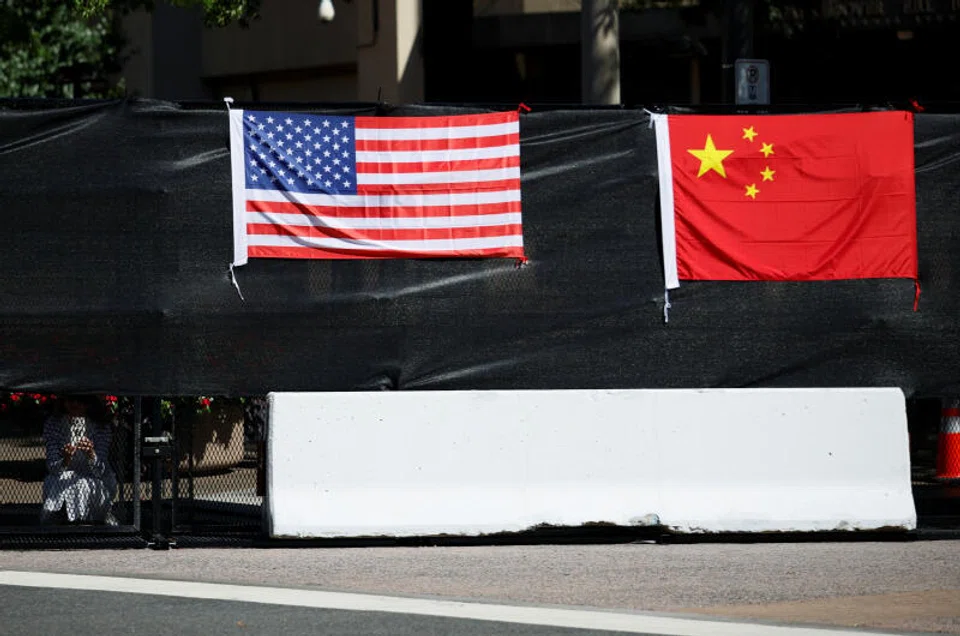
CHINA agreed to import at least 10 million tonnes of coal from the US in 2027 and again in 2028, according to the White House, in a sign of further progress in easing trade frictions between the world’s two largest economies.
The two sides will also pursue more favourable tariffs on US$30 billion of non-sensitive goods from both nations as part of the agreement reached under the newly operationalised US-China Board of Trade, the White House said in a statement.
US products eligible for preferential tariffs include agricultural goods, seafood, timber, cosmetics and medical devices, it said. Chinese consumer goods such as small appliances, toys, holiday decorations and children’s car seats are covered in the deal.
The two countries also launched a working group focused on addressing market access barriers in agriculture, a sector that has long been a central issue in bilateral trade negotiations.
Separately, Washington and Beijing established a Board of Investment aimed at discussing investment opportunities and resolving investment-related impediments.
The two sides also said they would continue working on US concerns over supply chain shortages involving rare earths and other critical minerals, according to the statement.
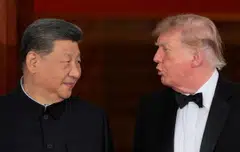

Trump urged Xi to increase production of refined petroleum products to help stabilise global supply.
The two leaders also agreed to continue dialogue on emerging technologies, with the next exchange on artificial intelligence scheduled by November. BLOOMBERG
Decoding Asia newsletter: your guide to navigating Asia in a new global order. Sign up here to get Decoding Asia newsletter. Delivered to your inbox. Free.
Share with us your feedback on BT's products and services