

US unveiled plan to reopen Strait of Hormuz hours before Trump shelved it
The US president’s under increasing pressure to end a war that’s grown increasingly unpopular
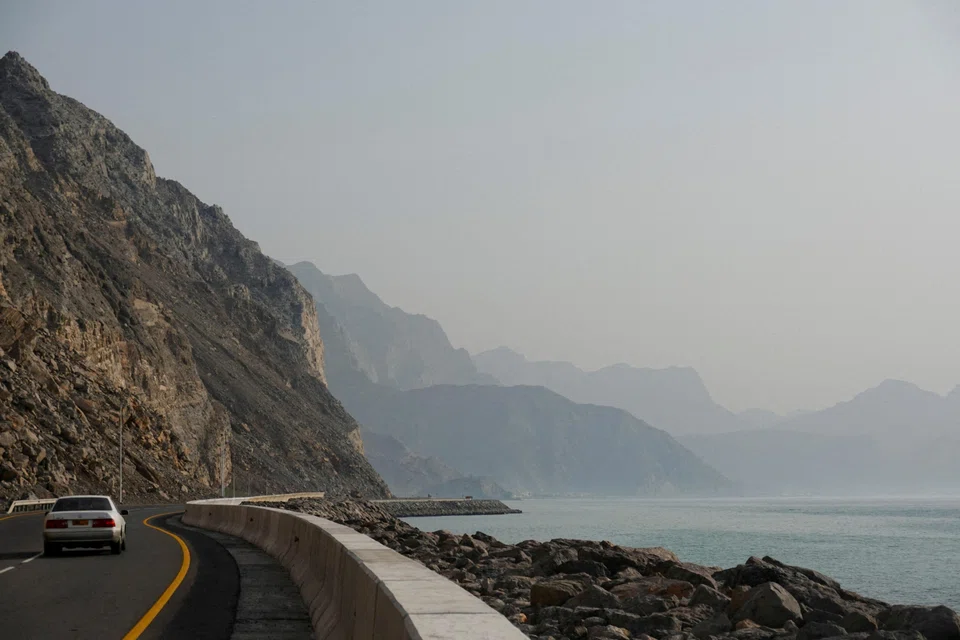
[WASHINGTON] Top US officials spent Monday (May 4) and Tuesday offering new details on the role the US military will play in helping ships pass through the Strait of Hormuz as part of US President Donald Trump’s bid to break Iran’s chokehold over the waterway.
Hours later, Trump shelved the operation entirely after being warned it risked escalating a conflict he is eager to bring to an end.
That decision, which Trump said he made at the request of mediator Pakistan, suggested the president did not want to risk another flare-up in violence like the one provoked in the first day the operation called Project Freedom went into effect.
The back and forth shone a spotlight on the bind in which Trump now finds himself: He’s under increasing pressure to end a war that’s grown increasingly unpopular. At the same time, he has failed to break Iran’s control of the strait, a goal he needs to reverse a spike in oil and gas prices.
Project Freedom was meant to sit at the centre of the next phase of the US approach to Iran. According to Defense Secretary Pete Hegseth and Dan Caine, the chairman of the joint chiefs of staff, the Pentagon was deploying guided-missile destroyers with air defence capabilities, more than 100 aircraft, 15,000 personnel in the region, and a mix of drones, including underwater platforms.
The initiative would give commercial shippers a “powerful red, white, and blue dome over the strait” enforced by warplanes, helicopters, drones, surveillance aircraft and other military assets, and that “hundreds more ships from nations around the world are lining up to transit”, Hegseth said.
Later in the day, Secretary of State Marco Rubio described it as a defensive operation. Shippers would pass through “an enhanced security area on the southern side of the strait”, Caine told reporters.
After those officials, along with Central Command Commander Admiral Bradley Cooper, outlined the idea, Trump abruptly shelved it on Tuesday evening. He said that it would be “paused for a short period of time” to create space for all sides to work out a deal to resolve the conflict, even though the two sides have so far been far apart and any agreement looked to be far off.
As part of the effort, the US military helped two vessels exit Hormuz on Monday, repelling multiple attacks by Iranian drones, missiles and irregular navy fast-attack boats. Iran also struck an oil terminal in the United Arab Emirates city of Fujairah.
SEE ALSO
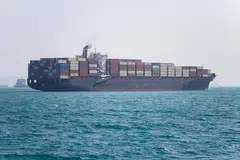
Those attacks shook a ceasefire that has held for nearly a month. Caine told reporters they did not signal renewed combat operations. But sending US vessels through the strait with commercial shippers would expose them to further Iranian attacks and force an even greater response.
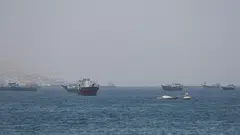
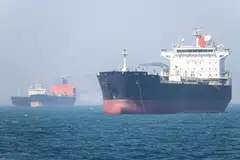
The passage remained largely empty of commercial vessels on Tuesday, traffic dropped off dramatically since the US and Israeli war against Iran began on Feb 28, and has since dwindled even further.
“In view of the hostilities over the last 24 hours, the overall security situation has become more tense,” Jakob Larsen, the chief safety and security officer for Bimco, the world’s largest shipping trade group, said in a statement before Trump paused the project. “The threat of ships being attacked has increased, and the situation seems to be on an escalatory path.”
AP Moller-Maersk said in a statement that one of its ships left Hormuz on Monday after it was “contacted by the US military and offered the opportunity for the vessel to exit the Gulf under US military protection”. A company spokesperson on Tuesday said the vessel was a US support ship.
Earlier Tuesday, Hegseth cast Operation Freedom as a “temporary mission” designed to show the world that navigating the strait was possible. The US defence chief reiterated a call for other nations to police the strait – through which a fifth of global oil and gas flows passed before the war – despite European nations and others declining to get involved until active hostilities end.
Project Freedom “carries significant escalation risks, as the outbreak of fighting Monday illustrates”, said Becca Wasser, an analyst with Bloomberg Economics. BLOOMBERG
Decoding Asia newsletter: your guide to navigating Asia in a new global order. Sign up here to get Decoding Asia newsletter. Delivered to your inbox. Free.
Share with us your feedback on BT's products and services






