

2026 Subaru Solterra review: Subaru vs Porsche, Part 2
It may not come with in-car karaoke or massage seats, but the Subaru Solterra offers something no Chinese EV does
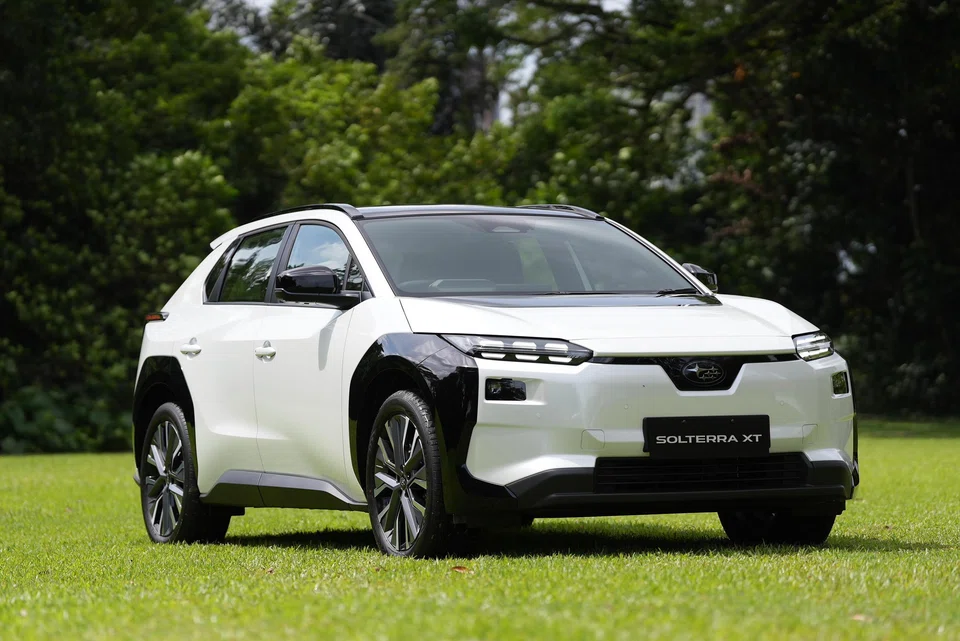
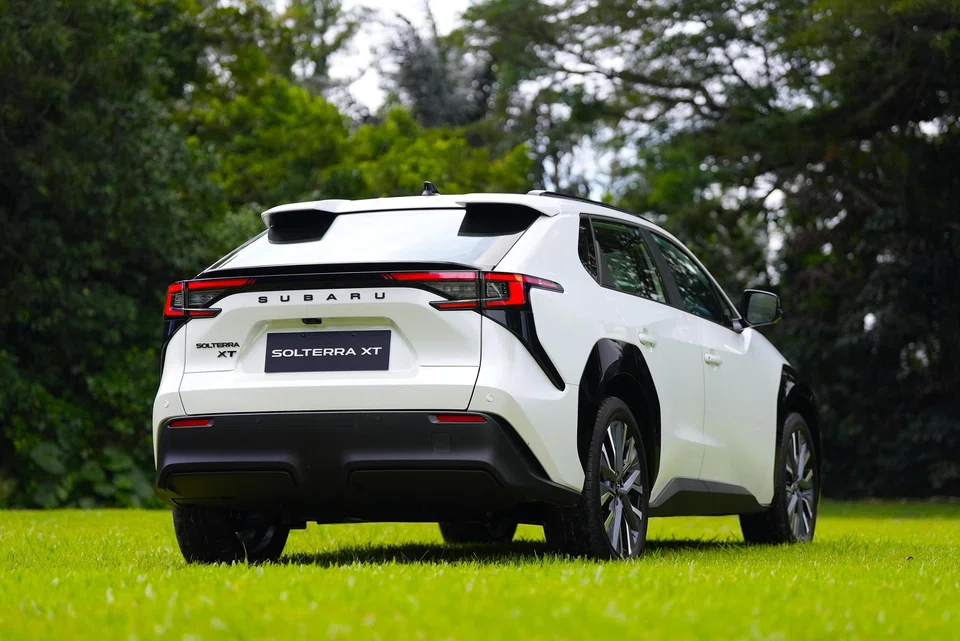
[SINGAPORE] The Subaru Solterra XT reminds me of an old rivalry that’s still around. You might think it’s just another electric vehicle (EV) to hit Singapore, but it’s really part of a wave flowing in from further east of where most of our electric cars come from.
Japan’s car makers may be late to the EV party, but this is the year they show up in force, with an assortment of models from Honda, Lexus, Suzuki and Toyota all headed our way. Not a moment too soon, either, since we can’t seem to get enough of EVs – they accounted for nearly half our new car sales last year.
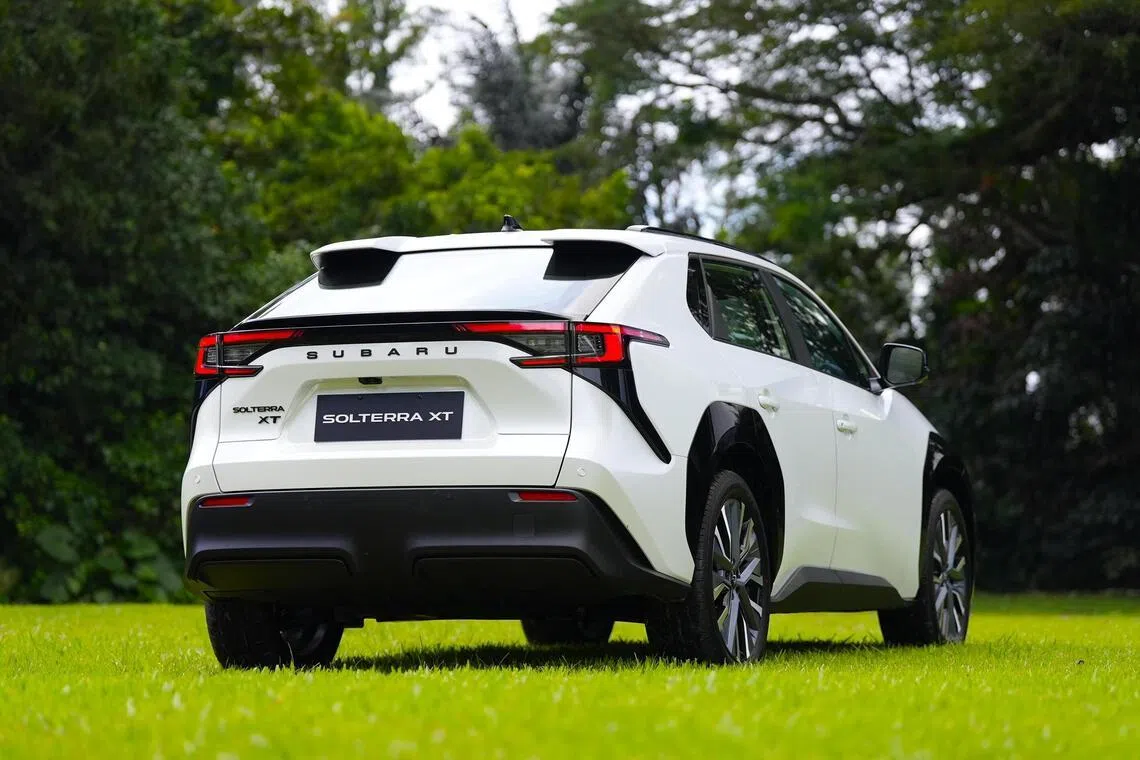
Subaru itself will launch two here in 2026, with the bigger, faster E-Outback due here in the second quarter. As for the Solterra (whose name is coined from the Latin roots for “sun” and “earth”), it’s a heavy facelift of a car that actually came out three years ago but never made it to showrooms here, which is mostly a good thing. EVs are like pancakes, and as anyone who’s made them knows, the first one always comes out like a blackened amoeba.
This second pancake is much more like it: Subaru has given the Solterra a new battery pack with more capacity (73.1 kilowatt-hours), faster charging ability (up to 150 kW) and more range (436 km). New motors send 343 horsepower to all four wheels, enough to pin you back in your seat on the way to 100 kmh in just 5.1 seconds.
That’s a whisker quicker than a Porsche Macan Electric (5.2 seconds, if you’re keeping score), which delightfully echoes the 1990s when pulling up next to a Subaru Impreza WRX in your 911 meant it was time to suddenly become very interested in adjusting your mirrors or fiddling with the radio.
The Solterra even rides and handles nicely, tackling both corners and bumps with finesse. At roughly two tonnes, it’s lighter than most EVs, which means it feels nimbler on its feet. The steering actually communicates with your hands, too, which makes you wonder why so many other electric SUVs feel like they’re steered by committee.
While it’s great to drive, the Solterra doesn’t quite capture the excitement of the WRX and its evocative growl. Being electric, it makes about as much noise as a cloud. It even has a bit more sound-deadening material in the wheelarches than the pre-facelift version.
If anything, it feels like a family car tuned to pamper occupants, which might be a natural consequence of its being jointly developed by Toyota, the king of user-friendly, practical cars.
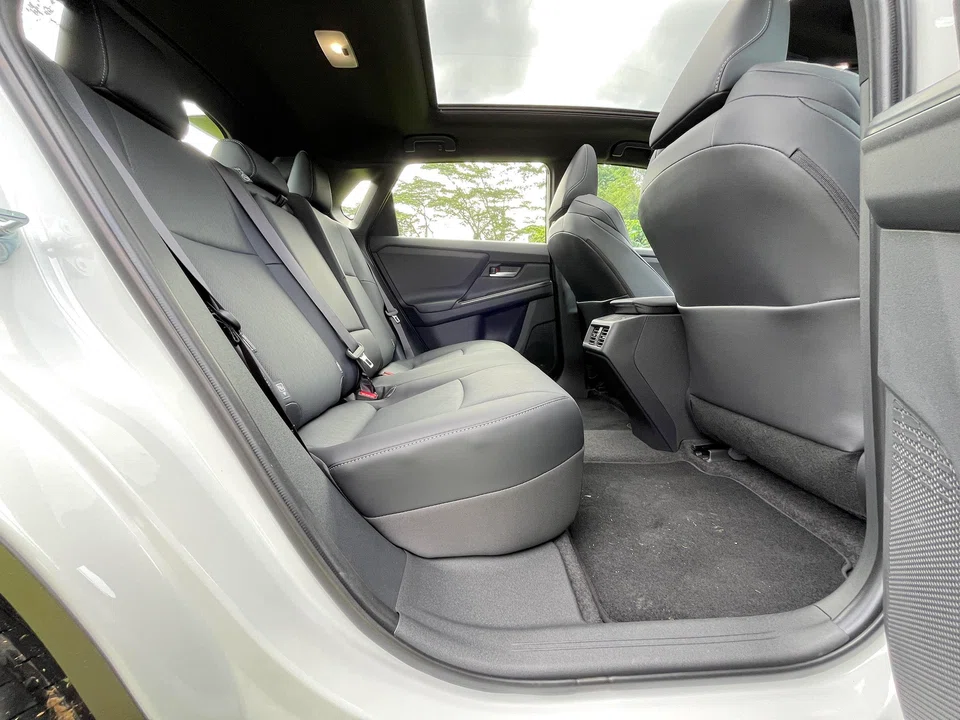
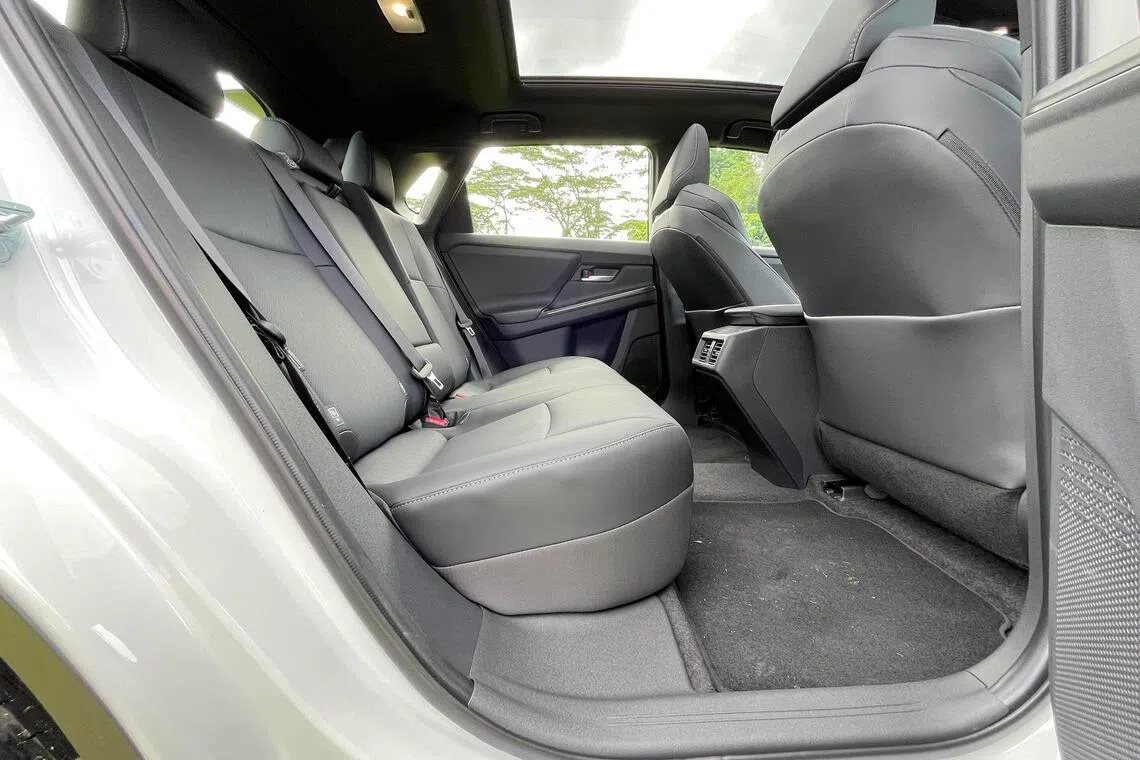
At just under 4.7 metres long, the Solterra is half a size down from the likes of BYD’s Sealion 7 and Tesla’s Model Y, but it’s still big enough to seat five in comfort. It feels roomy in the back, and the boot holds 441 litres with a double-height floor, which is on the small side but adequate. There’s no frunk, but I’m betting that Subaru’s next pancake will have one.
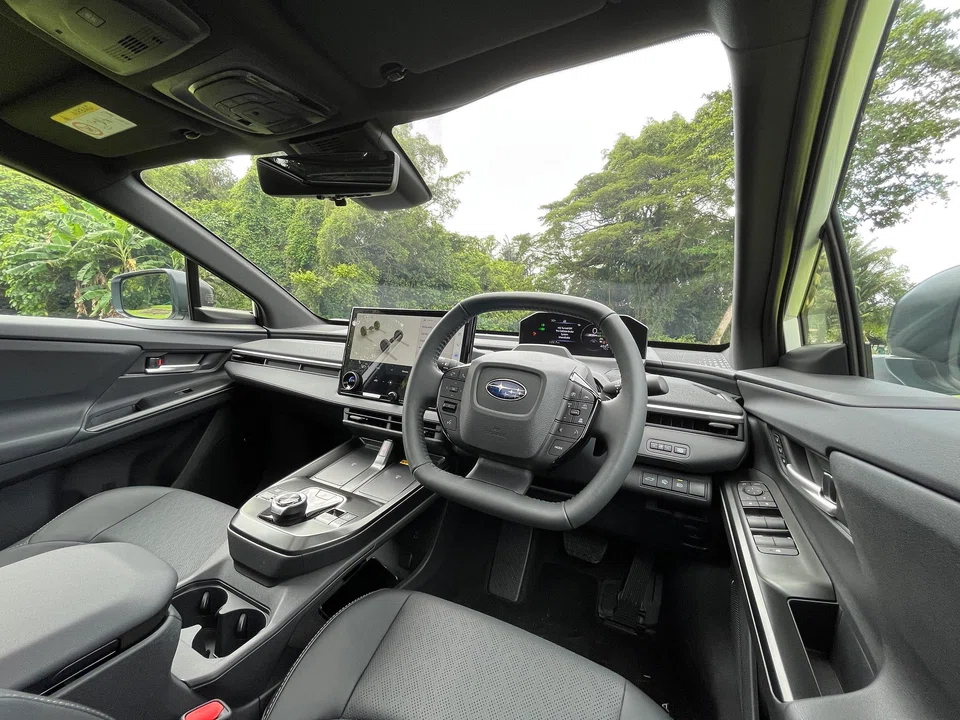
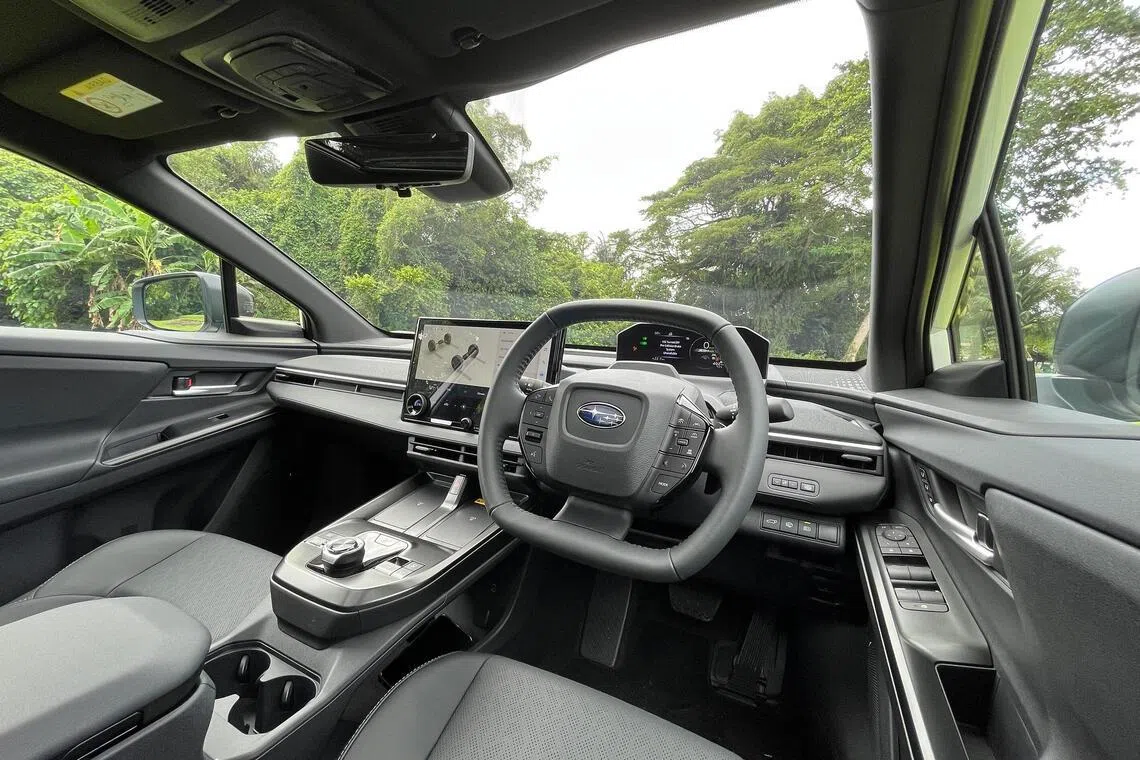
Inside, the cabin is refreshingly free of gimmicks. The main 14-inch touchscreen runs a Toyota interface, which isn’t built around a screen full of tiles for individual apps, and still feels like a car’s menu system rather than a tablet. You won’t find Netflix or YouTube on it, but you won’t need a manual to operate it. There are no digitally controlled air-con vents either, which I consider a victory for common sense.
You get an 11-speaker sound system from Harman/Kardon, which supplies the likes of BMW and Mercedes, as well as wireless charging for two phones and leatherette seats that repel spills but won’t fool anyone into thinking they’re Nappa leather.
That’s about it for luxuries. Absent are massage seats, a head-up display, an in-car karaoke app (thank goodness), a small fridge or magic self-parking, which are the kind of goodies that Chinese car companies woo buyers with.
There’s no beating their value-for-money gongfu, but what the Chinese brands can’t easily replicate is ultimately the Solterra’s main selling point: decades of Japanese engineering credibility. It’s good to drive, easy to operate and thoughtfully practical, which are things you expect of a Subaru, along with the ability to annoy the odd Porsche driver.
Subaru Solterra XT Motor power 343 hp Battery type/net capacity Lithium-ion/73.1 kWh Charging time/type 30 minutes 10 to 80 per cent (150 kW DC); under 4 hours (22 kW AC) Range 436 km (WLTP) 0-100 kmh 5.1 seconds Top speed 160 kmh Efficiency 16.8 kWh/100 km Agent Motor Image Enterprises Price S$229,800 with COE Available Now
Decoding Asia newsletter: your guide to navigating Asia in a new global order. Sign up here to get Decoding Asia newsletter. Delivered to your inbox. Free.
Share with us your feedback on BT's products and services
TRENDING NOW

Malaysian king buys stake in Singapore-listed mining firm expanding into rare earths

Grab CEO’s wife Chloe Tong on life with Anthony Tan and finding her purpose

Once staunchly pro-China, Malaysian Chinese businesses are now distancing themselves from Beijing

Longer wait times expected as S’pore healthcare institutions report system disruptions

